Savanna Features
Know the Upper East of Ghana: Culture, Attractions & Business Opportunities
Discover Ghana’s Upper East Region. Correct the map in your mind! Explore Paga’s crocodiles, Bolga’s baskets, vibrant festivals like Feok, and untapped business potential. Your complete travel and investment guide.


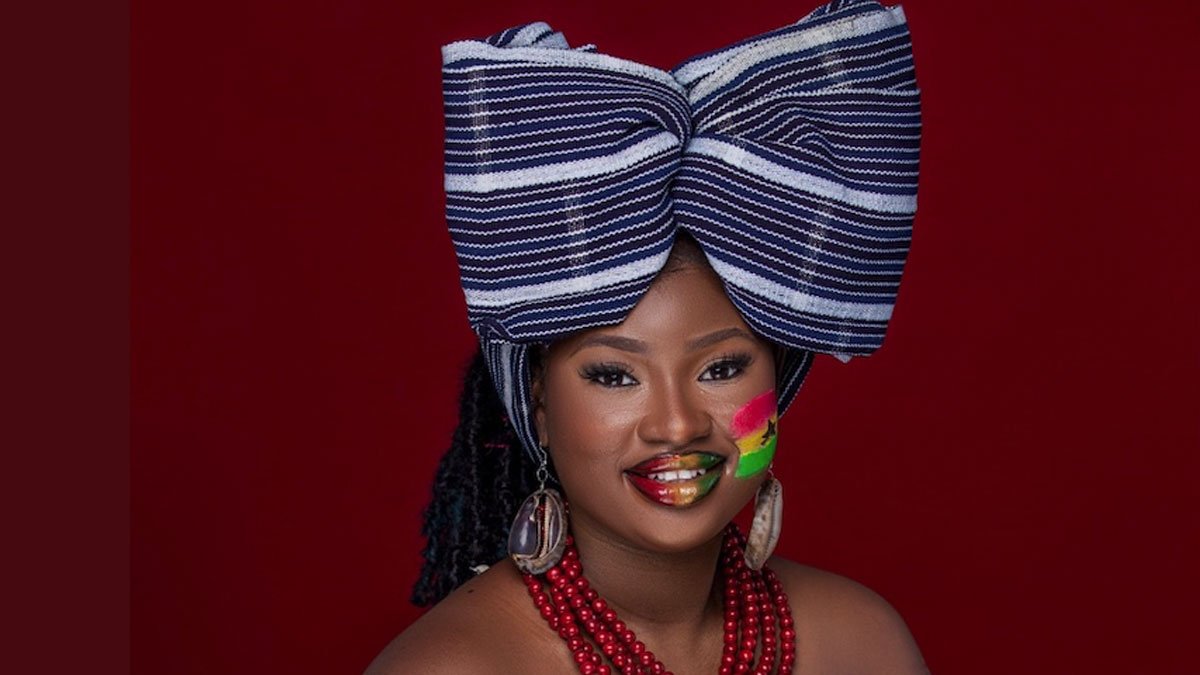
When many think of northern Ghana, they picture a single, vast expanse of savanna, often lumping its diverse peoples and cultures into a single category. It’s time to correct that map in our minds. Northern Ghana is a tapestry of five distinct regions—the Northern, North East, Savannah, Upper East, and Upper West—each with its own unique heartbeat. Today, we zoom into one of its most captivating threads: the Upper East Region. A land of ancient rocks, vibrant festivals, resilient communities, and untapped potential. This isn’t just the north; this is the Upper East.


Table of Contents

A Region of Distinct Identity
Bordered by Burkina Faso to the north and Togo to the east, the Upper East is Ghana’s northeastern corner. Its capital, Bolgatanga (affectionately called “Bolga”), is the gateway to a region defined by its striking landscape of rocky hills, clay plains, and the majestic Sirigu pottery and architecture. The climate, marked by a long, dry Harmattan season and a lush rainy period, profoundly shapes the rhythm of life here.
Major Towns in the Upper East Region
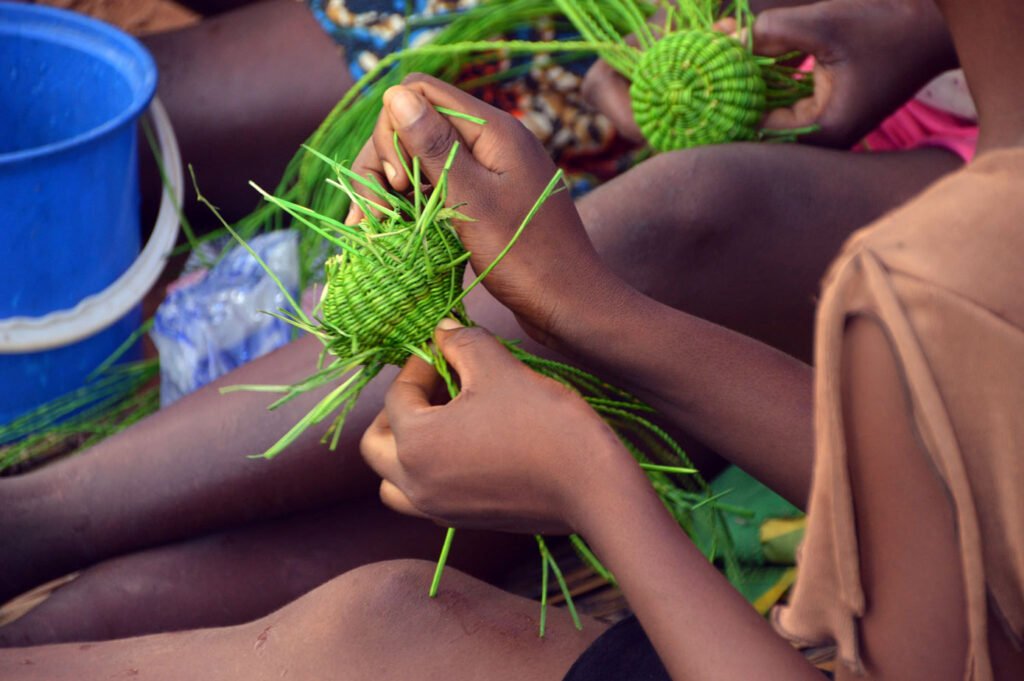
Bolgatanga: The administrative and commercial hub, famous for its basket weaving (Bolga baskets are a global icon) and a vibrant central market. It serves as the logistical gateway to the region’s attractions.
Navrongo: Home to the iconic Navrongo Cathedral (Our Lady of Seven Sorrows), built in 1920 using traditional methods. A center of Kasena culture and learning.
Bawku: The once bustling commercial town has become a pale shadow of itself. This is due the frequent conflict between Kusaasi’s and Mamprusi. However, the cosmopolitan border town still strives to function as with a famous ancient market that draws traders from across West Africa.
Sandema: The heart of the Bulsa tradition, known for the heroic Feok Festival.
Paga: Renowned for its sacred crocodile ponds, where friendly crocodiles, believed to house ancestral spirits, coexist peacefully with humans.
Zebilla & Bongo: Key agricultural towns, with Bongo also famous for its picturesque rock formations and traditional granaries.


Languages Spoken
While Gurune (Frafra), Kusaal, Buli, Kasem, and Nankam are the major indigenous languages, Hausa serves as a widespread lingua franca for trade. English is the official language of government and education.
Major Festivals: A Calendar of Colour & Valour
Feok Festival (Sandema): A vibrant celebration of Builsa resistance and freedom, marked by mesmerizing warrior dances.
Fao Festival (Navrongo, Chiana & Kasem areas): A premier harvest festival of the Kasena people, involving solemn sacrifices and vibrant cultural displays.
Samapiid Festival (Bawku): Celebrated by the Kusaasi people to mark the end of the harvest and offer thanks.
Zekula Festival (Pusiga): A festival for the gods of harvest and protection of the people.
Bongo Azambene: Celebrated in Bongo.
Gologo Festival (Tongo): A prayer for rain and a good planting season celebrated by the Talensis people.


Tourist Attractions in Upper East Ghana
Tongo Hills & Tengzug Shrine: A stunning granite inselberg landscape and a powerful indigenous spiritual site (UNESCO World Heritage Tentative List).
Paga Crocodile Ponds: The premier site to safely observe and interact with sacred crocodiles in their natural ponds, a unique cultural and ecological experience.
Navrongo Catholic Cathedral: A masterpiece of vernacular architecture.
Sirigu Women’s Art & Pottery: Experience stunning geometric wall designs and traditional pottery.
Bongo Rock Formations & Ancient Granaries: A photographer’s and hiker’s paradise.
Kandiga Mystery Caves & Rock Shelters: Holding archaeological and historical significance.
The Kulungungu Bomb Site: A historical monument marking where Ghana’s first President, Kwame Nkrumah, survived an assassination attempt.
Pikworo Slave Camp: A site where slaves stayed on transit to the coast of Ghana for onward transfer onto ships.
The Frontier of Potential of the Upper East Region
Agribusiness: Large-scale production and processing of staples like millet, sorghum, rice, soybeans, and groundnuts.
Livestock & Poultry: Meat processing, dairy, and feed production from established cattle, goat, sheep, and guinea fowl rearing.
Shea Butter Processing: Value-addition through refined butter and cosmetic products from high-quality shea nuts.
Handicrafts & Textiles: Global export of Bolga baskets, leatherworks, and traditional woven smocks.
Renewable Energy: Investment in solar energy projects, leveraging abundant sunshine.
Tourism & Hospitality: Developing eco-lodges, cultural tourism experiences, and supporting services.
Higher Learning Institutions: Centers of Knowledge
The Upper East Region hosts a growing network of tertiary institutions that train professionals crucial to the region’s development in education, health, and technology.
Universities & Technical University:
University of Technology and Applied Sciences, Navrongo: A premier public university with a focus on Agriculture, Medicine, and Community Health Sciences.
Bolgatanga Technical University: Dedicated to hands-on training in Engineering, Applied Arts, Business, and Agricultural Technology.
Colleges of Education (Teacher Training):
St. John Bosco’s College of Education (Navrongo)
Gbewaa College of Education (Pusiga)
Bolgatanga College of Education (Bolgatanga)
These public colleges are accredited to award the Diploma in Basic Education, training the next generation of teachers for primary and junior high schools.
Nursing & Midwifery Training Colleges:
Bolgatanga Nursing Training College
Zuarungu Midwifery Training College
Navrongo Community Health Nursing Training School
Bawku Presbyterian Nursing Training College
These critical institutions offer diplomas and certificates in various nursing and midwifery specialties, forming the backbone of the region’s healthcare workforce. Aside from these institutions, there is a growing number of private institutions, which we will cover in a separate article.
Nightlife in the Upper East: Culture Under the Stars
Forget sprawling nightclubs and neon lights for a moment. The nightlife in the Upper East Region can be an intimate, community-centered experience, offering a different kind of vibrancy—one of storytelling, local brews, and star-lit camaraderie. Especially if you encounter marriage ceremonies or parties at night.
The Social Hub: Pubs and Local Spots: The heart of evening socializing beats in local pubs and “spots” in towns like Bolgatanga, Navrongo, Sandema, Chuchuliga, and Bawku. Here, over calabashes of Pito (a local fermented millet or sorghum drink) or bottles of beer, you’ll find lively conversations, local music, and a chance to mingle with residents. These are places where stories are shared, friendships are forged, and the day’s events are dissected.
Hotel Bars & Gardens: Major hotels in the region offer relaxed bars or garden terraces. They provide a comfortable setting for visitors to unwind, enjoy a drink, and sometimes catch live music or a televised football match—a focal point of social life across Ghana.
Festival Evenings: During festival periods like Feok or Fao, “nightlife” transforms into a cultural spectacle. Nights are filled with rhythmic drumming, traditional dancing by firelight, and communal celebrations that can last into the early hours. This is nightlife at its most authentic and powerful.
The Night Sky & Street Food: With less light pollution, the region offers breathtaking starry night skies, especially in rural areas like Bongo or Tongo. Evening is also perfect for sampling street food: savor grilled Guinea Fowl, spicy Khebabs, or Koko (porridge) from nighttime vendors, and observe the gentle, cooler pace of life after dark.
Night Clubs: For Night Club aficionados and people who want to enjoy a contemporary night out. Several nightclubs are dotted across the region. In Bolgatanga, you are most likely to hear Jocom or Bombs. In Sandema, you are likely to be directed to Lakeside. In Chuchuliga, your visit to Legacy Night Club will give you a renewed appreciation of nightclub life.
Manage Your Expectations: The pace is slow, and the options are modest by big-city standards. The true value lies in participation and immersion. Embrace the opportunity to connect, listen, and experience the warm social fabric of the Upper East in its most natural setting. Ask your hotel or a local friend for the current favorite spot—it’s the best way to find where the community is gathering.
Your Upper East Adventure Awaits
The Upper East Region is not a monolith; it is a mosaic. It challenges preconceptions with the enduring power of its culture, the resilience of its people, and the stark beauty of its land. It’s more than a stop on the map—it’s a destination for the curious soul and the discerning investor.
Ready to discover the true north? Your Upper East adventure awaits.
Frequently Asked Questions (FAQ)
What is the Upper East Region of Ghana known for?
The Upper East Region is famous for its unique cultural attractions, including the sacred crocodile ponds of Paga, the ancient Tongo Hills, vibrant festivals like Feok and Fao, and its globally recognized Bolga baskets.
What language do they speak in the Upper East Region?
Major languages include Gurune (Frafra), Kusaal, Buli, Kasem, and Nankam. English is the official language.
What are the major festivals in the Upper East Region?
Key festivals include the Feok Festival (Sandema), the Fao Festival (Navrongo and Kasem areas), the Samapiid Festival (Bawku), and the Zekula Festival (Bongo).
Are there business opportunities in the Upper East Region?
Yes. Significant opportunities exist in agribusiness (grains, shea butter), livestock, handicraft export, renewable energy (solar), and tourism development, supported by a stable land tenure system and strong agricultural traditions.