Savanna Features
Upper West Region: A Traveler’s Guide to Ghana’s Wild Northwest Frontier
Journey to Ghana’s Upper West Region. Explore the Wechiau Hippo Sanctuary, Gbele Game Reserve, Jirapa Dubai, and authentic savannah culture.


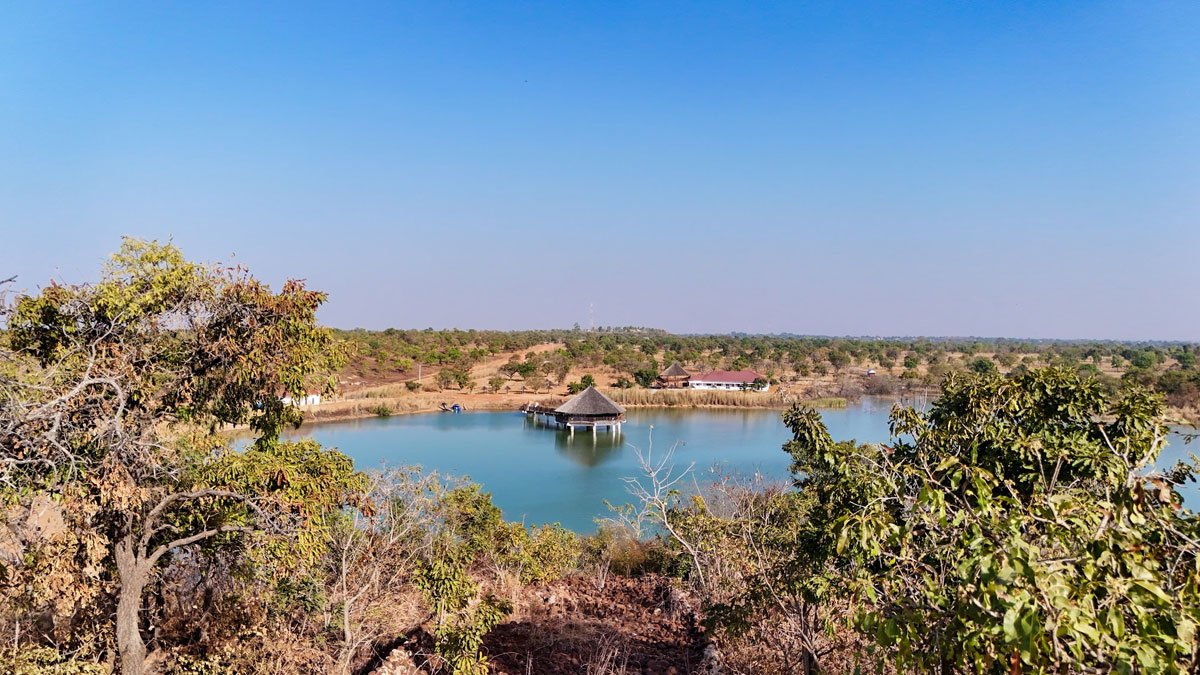
Ghana’s Upper West Region is a distinct and captivating administrative area within the nation’s broader northern sector. It is one of five regions—along with the Upper East, Northern, North East, and Savannah Regions—that make up Northern Ghana, each with its own unique cultural and historical identity. As the northwesternmost frontier, the Upper West Region offers an unfiltered and deeply authentic experience. Here, the echoes of the ancient Waala Kingdom resonate through Sudano-Sahelian architecture, community sanctuaries protect rare wildlife, and festivals are vibrant expressions of living tradition. For the traveler seeking the road less traveled, the Upper West Region is a rewarding destination of connection and discovery. It is a land of open skies, resilient cultures, and profound history.
Table of Contents


Why You Should Visit the Upper West Region
A walk into the past: A visit to the region requires exploring the Wa Naa’s Palace. As a UNESCO-listed architectural marvel, it is one of the oldest and most intact traditional Palaces in Ghana.
A Glimpse into Community-Based Wildlife Preservation Initiatives: Visitors can paddle the Black Volta River in search of hippos at the renowned Wechiau Hippo Sanctuary. The success of this pioneering community-led conservation highlights the nature of the people of Wechiau and their reverence for nature.
Experience Untamed Landscapes & Wildlife: Discover the vast savannah woodlands of the Gbele Resource Centre (Game Reserve), a haven for rare antelope and birdlife, offering serene hiking and eco-tourism.
Discover a Unique Resort: Experience the stunning views and modern comforts of Royal Cosy Hills Safari Resort (Jirapa Dubai), a luxury eco-resort perched on dramatic hills.
Immerse in Authentic Culture: Witness the spectacular Damba Festival or the energetic Kobine and Paari-gbiele Festival harvest celebrations, where participation is welcomed.
Discover a Different Ghana: Move beyond the familiar and connect with the warm, hospitable cultures of the Dagaaba, Sissala, and Waala peoples in a region where tradition is central to life.
Key Towns & What to See in the Upper East Region
Wa: The Historic Capital
Wa is the administrative and cultural heart of the Upper West Region. Its atmosphere is a captivating blend of bustling market town and historical treasure.
The Wa Naa’s Palace:
The undisputed highlight. This centuries-old, labyrinthine palace complex, built in the distinctive Sudano-Sahelian style with its conical thatched roofs and turrets, is a living museum and the seat of the Overlord of the Wala Traditional Area. Insider Tip: A guide from the Chief’s office is essential to appreciate its history and significance.
The Two Hills of Wa:
These iconic inselbergs rising from the plains are central to local legend. A hike to the top (particularly the more accessible “Male” hill) rewards you with a panoramic view of Wa and its surroundings.
Central Market: A vibrant hub of commerce where you can find local textiles, agricultural produce, and daily life in full swing.
Jirapa: Home of the Stunning “Dubai”
The town of Jirapa is famed for its scenic beauty and is one of the region’s most unique accommodations.
Royal Cosy Hills Safari Resort (“Jirapa Dubai” ):
Perched atop dramatic hills, this resort offers breathtaking panoramic views of the surrounding savannah and rock formations. Its modern architecture and infinity pools create a striking contrast with the natural landscape, earning it its local nickname. It’s a perfect base for relaxation and exploration of the Upper West Region.

Jirapa is a central town for the Dagaaba people and offers a genuine, less-touristed atmosphere for cultural interaction.
Nandom & Lawra: The Heart of Dagaaba Culture
To the west of Wa, these towns offer deep cultural immersion.
Nandom: Known for its striking Catholic Cathedral on a hill, a landmark visible for miles. The area is renowned for its skilled artisans and traditional music.
Lawra: The home of the vibrant Kobine Festival. It’s also a great base for visiting the surrounding villages, known for their distinct compound architecture and welcoming elders.
Tumu: Gateway to the Sissala Area
Tumu is the main town of the Sissala East Municipality, offering a different cultural perspective. It is also the place to learn about the rich traditions of the Sissala people, especially if you can visit during the Paragbiele Festival. Tumu is the primary jumping-off point for trips to the Gbele Resource Centre, located to the south of the Upper West Region.
Gbele Resource Centre & Game Reserve: Located near the village of Gbele in the Sissala West District, this is the Upper West Region’s premier destination for wildlife and pristine savannah woodland. The reserve is a critical sanctuary for endangered species such as Roan Antelope, Hartebeest, and Buffalo, as well as Monkeys, Baboons, and over 200 bird species.
Eco-Tourism & Hiking: Unlike the river-focused Wechiau, Gbele offers guided walking safaris and hiking trails through its diverse ecosystem of plains, forest galleries, and streams. It’s an ideal spot for birdwatchers, photographers, and those seeking tranquil nature immersion. Similar to Wechiau, it is managed with strong community involvement, ensuring that tourism directly benefits the local area.
Wechiau: A community conservation model, The small community of Wechiau is famous for one thing, Wechiau Hippo Sanctuary. This 40km protected stretch of the Black Volta River is a stellar example of community-based tourism. Local guides lead peaceful canoe trips where you can spot hippos and numerous bird species and enjoy a stunning savannah riverine ecosystem. Overnight stays in simple, community-run lodges are possible.

The Linguistic Tapestry: Languages of the Upper West
The soundscape of the Upper West Region is defined by its major indigenous languages, each tied to its predominant ethnic group.
Dagaare: The most widely spoken language in the region, used by the Dagaaba people in districts like Lawra, Nandom, Jirapa, and Wa West. It is rich in proverbs and oral tradition.
Sissali (Sisaali): The language of the Sissala people in the Tumu and surrounding areas. It has several dialects and is central to the Paragbiele festival rituals.
Waali: Spoken by the Waala people in and around the capital, Wa. It is historically significant as the language of the Wa Naa’s court.
While English is the official language for government and education, these local languages dominate daily life, markets, and cultural ceremonies. Learning a simple greeting like “Fo foo?” (How are you? in Dagaare) or “Antire?” (in Sissali) will be met with warm appreciation.
The Academic Landscape: Institutions of Learning
The Upper West Region is home to a key campus of Ghana’s premier university, dedicated to practical, community-focused development. SD Dombo University of Business and Integrated Development Studies (SDD-UBIDS): Evolving from the Wa Campus of UDS, this specialized public university in Wa focuses on business, development, and applied social sciences, cementing the region’s role in nurturing professionals for Ghana’s development.
Other Notable Institutions: The region also hosts several training colleges, including the Wa Technical Institute, St. Francis College of Education in Jirapa, Nursing and Midwifery Training Colleges in Wa and Tumu, and the Wa Campus of the Ghana Institute of Management and Public Administration (GIMPA).
Business & Investment Opportunities
The Upper West Region presents a frontier of opportunity, driven by its agrarian base, the growing urban center of Wa, and its strategic position on the border with Burkina Faso.
Agribusiness & Value Addition: The region is a major producer of shea nuts, soybeans, maize, and sorghum. Significant opportunities exist in establishing modern warehouses, processing plants for shea butter (beyond artisanal production), soybean oil and cake, and cereal milling. Livestock, particularly cattle, sheep, and guinea fowl rearing, also has potential for scale.
Sustainable & Community-Based Tourism: The success of Wechiau, Gbele, and resorts like Royal Cosy Hills provides a blueprint for success. Opportunities abound for partnerships in developing eco-lodges, tour operations, and cultural experiences (craft villages, homestays) in other scenic, culturally rich parts of the Upper West Region.
Renewable Energy: With abundant sunlight, there is a growing market and need for solar energy solutions for businesses, institutions, and rural electrification projects.
Services & Logistics: The presence of a public university and a growing population drives demand for quality services, including student hostels, modern retail, ICT hubs, and logistics companies to facilitate trade with the northern sector and across the border.
Nightlife & Social Scene
Nightlife in the Upper West Region is less about neon-lit clubs and more about authentic social interaction and local flavor. The scene is relaxed and community-centred.
Local Bars (“Spots”) and Pubs: In Wa, especially around the university area (SDD-UBIDS) and along the main roads, you’ll find local bars and pubs. These are great places to mingle with students and locals, enjoy a chilled beer (Club or Star), and listen to popular Ghanaian Music, Afrobeats, or hip-hop music. In recent times, the music made in the region has started dominating a lot of pubs, bars, clubs, and even radio.
Hotel Bars: The bars at major hotels in Wa (such as the Upland Hotel and Hansonic Hotel) and at resorts like Royal Cosy Hills in Jirapa offer a more formal setting. They are popular with expatriates, NGO workers, and business travelers, providing a comfortable spot for a drink and conversation.
Weekend Vibes: Fridays and Saturdays are the most lively. Some spots may feature live bands or DJ sets, particularly during special weekends or in the student zones.
The Cultural Alternative: The most memorable “nightlife” often involves cultural storytelling, drumming, and dancing in communities, especially during festival times or by special arrangement with a local guide. This is an unparalleled experience.
Cultural Festivals: A Calendar of Celebration
Damba Festival (Wa): A two-month Islamic festival celebrated with extraordinary drumming, dancing, and regal processions on horseback. The “Damba” itself is a sacred dance performed by the Wa Naa. Timing follows the lunar calendar (usually August/September).
Kobine Festival (Lawra): A famous harvest festival in September/October featuring competitive, athletic traditional dancing that tells stories of farming and community history.
Paragbiele Festival (Sissala Area): A post-harvest thanksgiving festival involving rituals at ancestral shrines, dancing, and communal feasting, typically in October or November.
Best Time to Visit:
November to February: The cool, dry Harmattan season is ideal. Festivals are plentiful, and wildlife viewing is easier as animals gather near water sources. However, visitors may want to avoid the peak of the rainy season (July-August), as some unpaved roads may become impassable in the Upper East Region.
Where to Stay:
Accommodation ranges from functional guesthouses to unique eco-resorts.
Wa offers the widest selection, from basic guesthouses to a few mid-range hotels, such as the Upland Hotel. Jirapa on the other hand has Royal Cosy Hills Safari Resort; a standout as a notable upper-mid-range to luxury option with stunning views and modern amenities. Wechiau & Gbele offers simple, community-run eco-lodges and guesthouses, providing an immersive experience. Always manage expectations and book in advance where possible.
The Spirit of the Frontier
The Upper West Region asks for a little more journey but gives back immeasurably in experience. It’s not about luxury, but about authenticity—the genuine smile of a craftsman, the awe of seeing a hippo surface at dusk or an antelope sprint across the savannah, the rhythmic pulse of a festival drum that you feel in your chest, and the surprise of a modern resort atop ancient hills. This is Ghana at its most raw and rewarding. Come with an open mind, respect for local customs, and a spirit of adventure.
The untamed beauty and rich culture of Ghana’s Upper West Region are waiting. Start planning your journey to the frontier today.