Thesavanna Features
Exploring the Savannah Region: Ghana’s Largest and Most Pristine Wilderness
The Savannah Region stands as a testament to Ghana’s raw, untamed beauty and rich cultural heritage. As the nation’s largest region by land area, it was carved out of the former Northern Region in 2018 following a long-standing petition by the Gonja Traditional Council, with Damongo serving as its capital.


The Savannah Region stands as a testament to Ghana’s raw, untamed beauty and rich cultural heritage. As the nation’s largest region by land area, it was carved out of the former Northern Region in 2018 following a long-standing petition by the Gonja Traditional Council, with Damongo serving as its capital.
This administrative creation is part of a broader effort to correct a common misconception—both within Ghana and among international visitors—that the entire expanse of land north of the Ashanti Region is a single, homogenous territory. In reality, Northern Ghana is a tapestry of distinct cultural and administrative entities, comprising five unique regions: the Savannah Region, the Upper East Region, the Upper West Region, the Northeast Region, and the Northern Region itself. Each possesses its own history, dominant ethnic groups, languages, and tourist attractions.
This article focuses on the Savannah Region—a sprawling landscape of legendary wildlife, ancient history, and vibrant traditions waiting to be explored. For travellers seeking an authentic African adventure away from the bustling coastal cities, the Savannah Region offers an unforgettable journey into the heart of the continent.
Table of Contents
The Land and Its People – Savannah Region
Bordered by the Upper West Region to the north, the Côte d’Ivoire border to the west, and the Bono, Bono East, and Northern regions to the south, the Savannah Region is a land of transition. Its vast expanse is characterized by classic Guinea savannah woodland—a terrain of expansive grasslands dotted with drought-resistant trees like the iconic baobab and acacia.
Due to its proximity to the Sahel and Sahara, the Savannah Region experiences a much drier climate than southern Ghana.
Languages of the Savannah Region
The Savannah Region is linguistically diverse, reflecting its rich ethnic makeup. While English is the official language, the everyday life of the region is conducted in a variety of languages. Gonja is the dominant indigenous language and the lingua franca of the area, spoken by the Gonja people who form the traditional aristocracy. Other significant languages from the Oti-Volta subfamily of the Niger-Congo family include Vagla, Dagbani, Mamprusi, and Tampulma. This linguistic diversity is a hallmark of the region’s cultural complexity.
Major Towns and Their Significance
The Savannah Region is divided into seven districts, each with a capital town that serves as a commercial and administrative hub. Understanding these towns is key to navigating the region.
Damongo: The regional capital, located in the West Gonja Municipality. It is the political and administrative heart of the region and the closest major town to Mole National Park.
Salaga: A historic town and the capital of the East Gonja Municipality. Known for its pivotal and painful role in the trans-Saharan slave trade, Salaga is home to the Salaga Slave Market and wells, making it a crucial destination for heritage tourism.
Bole: Capital of the Bole District and a prominent town with strong connections to Ghana’s political history, being the hometown of former President John Dramani Mahama.
Buipe: The capital of Central Gonja, Buipe is an important trading post and settlement along the Volta River.
Sawla: Capital of the Sawla-Tuna-Kalba district, serving as a commercial centre for the western part of the region.
Daboya: Famous for its vibrant fugu (smock) weaving industry, this town is the capital of the North Gonja District.
Festivals and Chieftaincy
Festivals are an integral part of life in the Savannah Region, often tied to the agricultural calendar and the veneration of chieftaincy. They are marked by colourful processions, drumming, dancing, and traditional ceremonies. The most prominent festival is the Damba Festival, celebrated by the Gonja people (and other ethnic groups in northern Ghana) to mark the birth of the Prophet Mohammed.
In Gonjaland, it is a unique blend of Islamic faith and rich cultural tradition. The Grand Damba, a larger celebration held every few years at the discretion of the Yagbonwura (the King of Gonjaland), brings together chiefs from across the region for a spectacular display of unity, complete with horseback riding, drumming, and musketry.
The Fugu and Leather Works
The Savannah Region is renowned for its distinctive handicrafts.
Smock (Fugu) Weaving: The handwoven fugu, also known as a batakari, is a hallmark of northern Ghanaian fashion. In the Savannah Region, smock weaving techniques are passed down through generations, with different patterns and designs representing various clans or lineages. Towns like Daboya are particularly famous for this craft.
Leather Works: Artisans in the region are skilled in leatherworking, creating intricate saddles, bags, sandals, and ornaments, often with unique local designs.


Traditional architecture in the region is beautifully adapted to the climate. Round mud houses with flat roofs are designed to stay cool, showcasing the ingenuity of local builders in creating sustainable, comfortable living spaces with earth-based materials.
Cuisine
The local cuisine is hearty and flavourful. The staple food is Tuo Zaafi (TZ), a smooth, thick porridge made from maize or millet, often served with soups made from leafy greens or okra, sometimes enriched with shea butter. Shea butter itself, extracted from the nuts of the shea tree, is a fundamental part of the local economy and cuisine.


Higher Learning Educational Institutions
The educational landscape of the Savannah Region is undergoing a significant transformation, with a strong focus on technical and agricultural training to drive development.
University of Agriculture and Allied Health Sciences: In a major development, the government has announced the establishment of a new public university in Damongo. This institution will focus on training human resources to drive agricultural transformation and the “Feed Ghana” programme. Even though the project is yet to be completed, it is worth mentioning.
Nurses’ Training Colleges: Key institutions include the Kpembe Nurses and Midwifery College and the Damongo Health Assistant College, both vital for training healthcare professionals in the region.
The region boasts several senior high schools that serve as important educational pillars for their communities. These include Bole SHS, Buipe SHS, Damongo SHS, Salaga SHS, Sawla SHS, and Daboya Community Day SHS. Additionally, a new STEM Senior High School is set to be established in Tinga (Bole District), and a TVET Centre of Excellence in Salaga to provide practical training in ICT, construction, and agribusiness.
Business and Investment Opportunities
The Savannah Region is poised to become a new frontier for agricultural investment. It is one of Ghana’s main grain and tuber-producing areas, with vast tracts of arable land waiting to be harnessed for commercial farming. The region has unique climatic and soil characteristics ideal for cultivating yams (the second most important non-traditional export crop), cassava, maize, and pineapples (the number one non-traditional export crop).
Tree Crop Development: Major national initiatives, such as the Ghana Tree Crop Diversification Project (TCDP), are targeting the Savannah Region to support cocoa, cashew, and other tree crop farmers. This project aims to improve access to finance, technology, and markets, thereby transforming rural livelihoods and creating jobs.


Agro-Processing: The biggest opportunities lie in moving beyond raw commodity production to value addition. Establishing agro-processing facilities for crops such as yams, maize, and shea butter (echoing the model of Shea Park in the Upper West Region) could significantly boost local economies and create employment.
Nightlife and Social Life in the Savannah Region
Evenings are often a time for community socializing. Local “spot” bars (often called ‘drinking spots’) serve as informal meeting points where people gather to relax, drink local beverages like Pito (a fermented millet beer), and discuss the day’s events.


The most vibrant social events are undoubtedly the festivals. The Damba Festival and other local celebrations transform towns and villages with drumming, dancing, and a palpable sense of communal joy, offering visitors a truly immersive experience.
For visitors, organized cultural performances at eco-lodges or during community visits offer a glimpse into the region’s rich performing arts, including traditional dances and folklore passed down through generations.
Top Tourist Attractions in the Savannah Region
The Savannah Region is home to some of Ghana’s most significant and spectacular tourist destinations. From flagship national parks to ancient architectural wonders, the region is a hub for eco-tourism and historical exploration.
Mole National Park: Ghana’s Premier Wildlife Destination
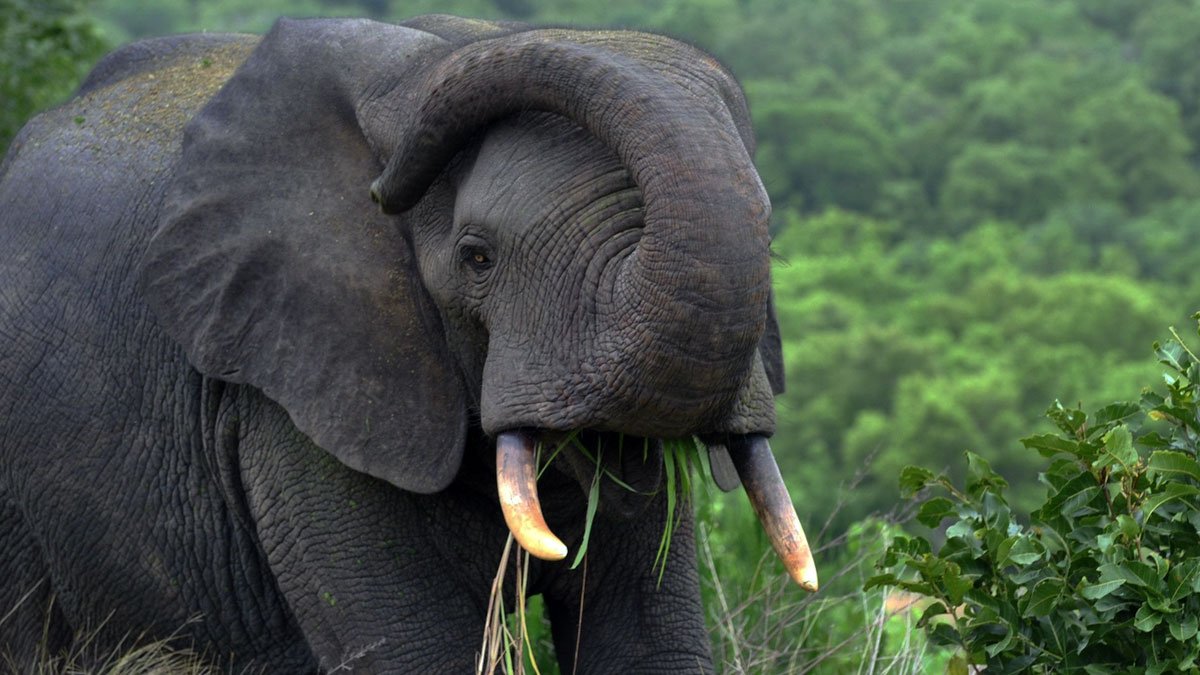
No visit to the Savannah Region is complete without experiencing Mole National Park. As Ghana’s largest wildlife refuge, it covers over 4,840 square kilometres and is regarded as the country’s primary wildlife preserve. The park is famously home to over 93 species of mammals, including elephants, buffalo, warthogs, and several antelope species, such as kob and waterbuck. Birdwatchers are in for a treat, with over 344 bird species recorded. What sets Mole apart is the opportunity for walking safaris. Led by armed rangers, visitors can trek through the bush on foot, often getting surprisingly close to wildlife.


Larabanga Mosque: A Sudano-Sahelian Masterpiece
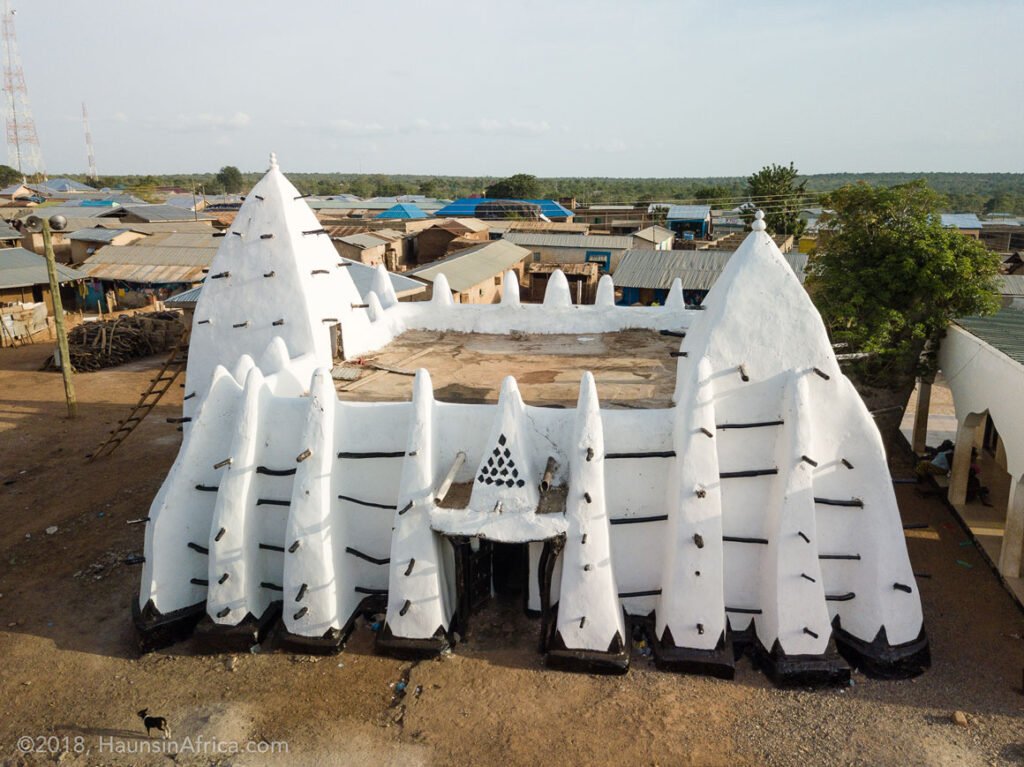
Just a stone’s throw from Mole National Park lies the Larabanga Mosque, often called the “Mecca of West Africa.” Believed to date back to the 15th century, it is Ghana’s oldest mosque and one of the most revered in the country. Its striking Sudano-Sahelian architecture, characterized by whitewashed mud-brick walls supported by wooden projecting beams, makes it a photographer’s dream.

Salaga Slave Market and Wells
The historic town of Salaga is a site of great importance for those seeking to understand the full story of the trans-Atlantic and trans-Saharan slave trades. The Salaga Slave Market and the nearby wells, where enslaved people were made to drink before being marched south, serve as solemn and powerful memorials to a painful past. It is a key destination for heritage tourism and the Panafest/Emancipation Day celebrations.

Bui National Park
Spanning the border between the Savannah and Bono regions, Bui National Park is Ghana’s third-largest national park. It is uniquely shaped by the Black Volta River and was historically famous for its large hinterland population. However, the construction of the Bui Dam has altered the landscape.
The Mystery Stone at Larabanga
Near the Larabanga Mosque lies another intriguing attraction: a mysterious stone that, according to local legend, returns to its original spot if moved. It adds an element of local folklore and mysticism to any visit to the area.


Why Visit the Savannah Region?
The Savannah Region offers a different Ghana from the beaches and castles of the coast. It is a place for Unparalleled opportunities to see elephants, hippos, and antelopes in their natural habitat. Ancient mosques, former slave markets, and the legacy of powerful kingdoms await history buffs. For the Adventure seekers, the thrill of walking safaris and exploring remote landscapes. And for the cultural travellers, it is an authentic glimpse into traditional lifeways, vibrant festivals like Damba, and unique crafts.
The Savannah Region is a land of immense scale and profound beauty, as Ghana’s largest region holds some of the country’s most precious and cultural treasures. From the elephant herds of Mole National Park to the ancient walls of the Larabanga Mosque and the solemn history of Salaga, this region offers a journey into the soul of northern Ghana. With new investments in education and agriculture paving the way for the future, while its traditions remain strong, the Savannah Region promises an experience that is both timeless and unforgettable.