Savanna Features
The Birth of Northern Political Consciousness
In part one of our journey into the Political Pioneers (Pre-Independence & Dominion, 1951–1960) from Northern Ghana, we re-iterate the commitment to keeping the savanna online as a platform that publishes for the advancement of our story.


In part one of our journey into the Political Pioneers (Pre-Independence & Dominion, 1951–1960) from Northern Ghana, we re-iterate the commitment to keeping the savanna online as a platform that publishes for the advancement of our story.
Long before the Union Jack was lowered for the final time at the Old Polo Grounds on March 6, 1957, the seeds of northern political representation had already been sown. While the coastal elites of the Gold Coast dominated the nationalist narrative, a quiet revolution was taking place in the Northern Territories—a revolution led not by mass rallies and newspaper editorials, but by chiefs and educated sons of chiefs who understood that without organized political action, their region risked being left behind in the march toward independence. This is the genesis of what we refer to as the Political Pioneers of Northern Ghana.
The story of northern political consciousness begins with a fundamental reality of colonial administration. For decades, the British had governed the Northern Territories as a separate entity, deliberately limiting educational development and viewing the region primarily as a labor reserve for the mines and cocoa farms of the south. As the Gold Coast moved toward self-governance, northern leaders recognized that they could not afford to be passive observers. They needed to organize, to advocate, and to ensure that the new nation they were about to join would not marginalize their people.
This realization culminated in a historic meeting in Tamale in 1954. Chiefs and royals from across the vast expanse of the Northern Territories gathered to form the Northern People’s Party—a political organization with a singular objective: to fight for and protect northern interests in national affairs. It was a moment of profound significance, marking the first time the diverse peoples of the North had united under a single political banner.
Table of Contents
Political Pioneers of Northern Ghana
The Political Pioneers of Northern Ghana had their first formalised vehicle in the Northern People’s party. It drew its strength from the traditional authority of its patrons and the educated elite who led it. At its head stood Naa Sheriga, the ancient King of Mamprugu, whose imprimatur gave the party legitimacy across the northern chieftaincy. But the day-to-day leadership fell to a remarkable group of men who would become the founding fathers of northern political representation.
Tolon Naa Yakubu Tali emerged as perhaps the most prominent figure among the political pioneers. Born in 1916 at Tali, a village near Tolon in the Northern Region, he had already made history by becoming the first person from the north to attend Achimota College, then the Gold Coast’s most prestigious educational institution. After completing his studies, he returned to the north as a teacher, and historians describe his impact on education in the Northern Territories as nothing short of phenomenal.
He is credited with teaching and raising many prominent northerners of his generation. When he entered politics, he brought with him not only his traditional authority as a chief but also the respect earned through years of educational service. His eloquence in the Legislative Assembly earned him the nickname “the Golden Voice of the North,” and his contributions to the Coussey Committee, which drafted the Independence Constitution, ensured that northern concerns were addressed in the foundational document of the new nation.
Alongside him stood Simon Diedong Dombo, the Duori Naa from the Upper Region, reputed to be the first educated chieftain in that part of the country. A teacher by profession, Dombo brought both traditional authority and modern education to the cause of northern representation. He would become the parliamentary leader of the Northern People’s Party, its most forceful advocate on the floor of the Legislative Assembly, and later a cabinet minister in the Second Republic. Yet another worthy of being labelled a political pioneer of Northern Ghana.
Mumuni Bawumia, another founding member, represented the Walewale area and brought to the party his deep understanding of northern traditions and aspirations. Few could have predicted that his legacy would extend far beyond his own service—that his son, Dr. Mahamudu Bawumia, would one day become Vice President of Ghana, carrying forward the family commitment to national leadership.
The founding roll call of the Political Pioneers included other names that would echo through Ghanaian political history: J. A. Braimah, who later became Yagbonwura, the paramount chief of Gonja; Abayifa Karbo from Lawra, who would serve as Commissioner for Agriculture in a future military government; C.K. Tedam from Paga, whose political engagement would span decades; Jatoe Kaleo, whose name became synonymous with northern advocacy; and Kpembewura Imoro Salifu, a traditional ruler who lent his authority to the cause.
Among these political pioneers was a man from Sandema named Akantigsi Afoko. Born in 1923, he had followed a similar path to many of his colleagues—primary school at Sandema, middle school in Tamale, teacher training at the Government Teacher Training College (now Bagabaga College of Education). He served as teacher in charge of Fumbisi Day School before entering politics in 1951 as a territorial member of the Legislative Assembly. His journey would take him from the CPP to the Northern People’s Party and back again, reflecting the complex political dynamics that northern politicians had to navigate.
The Fight for Seats and Influence from the Political Pioneers
The Northern People’s Party contested the 1954 general election with a message that resonated across the north: only organized political action could ensure that the region received its fair share of development resources and political representation. The results exceeded expectations from the Political Pioneers. The party won twelve of the one hundred and four seats in the Legislative Assembly, a remarkable achievement for a region that had been systematically denied opportunities.
Two years later, in the 1956 election that would determine the final composition of the pre-independence parliament, the Northern People’s Party improved its performance, winning fifteen seats and becoming the second-strongest force in the legislature after Kwame Nkrumah’s Convention People’s Party. Safe to say, the political pioneers have arrived. This electoral success demonstrated that the northern electorate had embraced the message of the political pioneers from Northern Ghana and that the party’s leaders had effectively articulated the concerns of their constituents.
In the Legislative Assembly, political pioneers made themselves heard on issues ranging from educational development to infrastructure investment. Tolon Naa Yakubu Tali’s contributions to the Coussey Committee ensured that the Independence Constitution included provisions protecting northern interests. Simon Diedong Dombo emerged as an effective parliamentary debater, holding the government accountable while advocating for northern development.
The Avoidance of Discrimination and the United Party
The political landscape shifted dramatically after independence. Kwame Nkrumah, seeking to consolidate power and eliminate opposition based on regional or ethnic identities, pushed through the Avoidance of Discrimination Act in 1957. This legislation prohibited political parties formed on ethnic, religious, or regional lines—a direct threat to the Northern People’s Party’s existence.
Facing extinction, the northern political pioneers had to make a fateful decision. On October 13, 1957, Simon Diedong Dombo led the Northern People’s Party into a merger with five other opposition parties: the National Liberation Movement, the Ga Shifimokpee, the Muslim Association Party, the Togoland Congress, and the Anlo Youth Association. Together, they formed the United Party, creating a single opposition bloc to challenge the CPP’s dominance.
The merger required political maturity and personal sacrifice. Although the Northern People’s Party had won more seats than any other opposition party, Dombo graciously ceded the leadership of the opposition to K.A. Busia of the National Liberation Movement, recognizing that the NLM had secured more popular votes in the 1956 election. This act of statesmanship preserved northern representation while demonstrating northern political pioneers’ commitment to national unity.
For Akantigsi Afoko, these years were a time of political navigation. He had resigned from the CPP in July 1957 to join the Northern People’s Party, aligning himself with the regional movement. But on March 12, 1958, he decided to rejoin the CPP, along with several other former NPP members. His journey reflected the difficult choices facing northern political pioneers who sought to balance regional advocacy with participation in the dominant national movement. He would continue to represent the Bulsa constituency until 1965, when boundary changes made him the MP for the newly created Sandema constituency.
Legacy of the Pioneer Generation
The pre-independence and dominion period established patterns of northern political engagement that would persist for decades. The political pioneers demonstrated that organized advocacy could secure representation for the North in national institutions. They showed that traditional authority and modern education could be combined to create effective political leadership. And they proved that northerners could hold their own in the rough-and-tumble of national politics.
The families they founded would continue to shape Ghanaian politics for generations. Mumuni Bawumia’s son became Vice President. Emmanuel Adama Mahama’s son became President. Akantigsi Afoko’s nephew, Paul Afoko, became the first northerner to chair the New Patriotic Party. The Dombo family continued its political engagement in the Upper West Region. The Nabila legacy continued through Naa Professor John Sebiyam Nabila, who served as MP, minister, and President of the National House of Chiefs.
When Nkrumah and his comrades wore northern smocks at independence, they acknowledged symbolically what the northern political pioneers had fought for politically: that Ghana belonged to all its peoples, that the North was not a periphery but an integral part of the nation. The pioneers had ensured that when independence came, the Northern Territories would not be appendages to the new state but full participants in its governance.
Their work was far from finished—the First Republic, military rule, and subsequent governments would present new challenges and opportunities. But the foundation they laid proved durable. The voice of the North, first organized in Tamale in 1954, would continue to be heard in every government that followed.
The Men Who Built the Foundation: Portraits of the Pioneers
The Northern People’s Party was not merely a political organization; it was a gathering of remarkable individuals whose lives and legacies would shape Ghanaian politics for generations. Each brought unique gifts to the cause—traditional authority, educational attainment, political acumen, or sheer force of character. Together, they formed a collective leadership that gave the North its voice in the independence struggle as political pioneers.
Tolon Naa Yakubu Tali
He stood as the colossus of northern political leadership, a man whose life bridged the worlds of tradition and modernity in ways that few could match. Born in 1916 at Tali, a village near Tolon in the Northern Region, he made history before he ever entered politics by becoming the first person from the North to attend Achimota College, then the Gold Coast’s most prestigious educational institution. After completing his studies, he returned to the North as a teacher, and his impact on education in the Northern Territories was nothing short of phenomenal.


He is credited with teaching and raising many prominent northerners of his generation, spreading the light of learning across a region deliberately starved of educational opportunity by colonial policy. When he entered politics, he brought with him not only his traditional authority as a chief but also the respect earned through years of educational service. His eloquence in the Legislative Assembly earned him the nickname “the Golden Voice of the North.” His contributions to the Coussey Committee, which drafted the Independence Constitution, ensured that northern concerns were addressed in the foundational document of the new nation.
His legacy would extend far beyond the pre-independence era; he would later serve as Deputy Speaker of Parliament in the First Republic and continue his parliamentary service into the Second Republic, a career spanning nearly two decades of national life.
Simon Diedong Dombo
Simon Diedong Dombo was the firebrand of the northern cause as a political pioneer. This parliamentary warrior carried the fight for northern representation into the chamber of the Legislative Assembly. As the Duori Naa from the Upper Region, he was reputed to be the first educated chieftain in that part of the country. This man combined traditional authority with modern education, making him a formidable political force. A teacher by profession, he brought to politics the same dedication to public service that had marked his educational career. He became the parliamentary leader of the Northern People’s Party, its most forceful advocate on the floor of the assembly and held the government accountable while relentlessly advocating for northern development.
His political journey would take him from the opposition benches to the cabinet, where he served as Minister for Health and later Minister for the Interior in the Busia government. But perhaps his most enduring legacy was the political maturity he displayed during the merger that created the United Party. Although the Northern People’s Party had won more seats than any other opposition group, Dombo graciously ceded the opposition leadership to K.A. Busia, recognizing that the National Liberation Movement had secured more popular votes. This act of statesmanship preserved northern representation while demonstrating northern leaders’ commitment to national unity.
Mumuni Bawumia
Mumuni Bawumia is a political pioneer of Northern Ghana. He represented the Walewale area in the Legislative Assembly and brought his deep understanding of northern traditions and aspirations to the party. A founding member of the Northern People’s Party, he worked alongside Tolon Naa and Dombo to build the organizational structures that would carry the northern cause forward.
Few could have predicted that his legacy would extend far beyond his own service—that his son, Dr. Mahamudu Bawumia, would one day become Vice President of Ghana, carrying forward the family commitment to national leadership. In this, the Bawumia family exemplifies the dynastic tradition that scholars have observed in northern Ghanaian politics, where the sons and grandsons of the pioneer generation continue to shape the nation’s destiny.
J. A. Braimah
J. A. Braimah brought the weight of Gonja tradition to the northern cause. A founding member of the Northern People’s Party, he would later ascend to the pinnacle of traditional authority in his region, becoming Yagbonwura, the paramount chief of Gonja. His journey from political activist to traditional ruler illustrated the seamless connection between modern politics and traditional governance that characterized northern leadership. The respect he commanded in both spheres made him an invaluable advocate for northern interests as a political pioneer.
Abayifa Karbo
From Lawra in the Upper West Region, he was another founding member whose political engagement spanned decades. His commitment to the northern cause did not end with the merger into the United Party; years later, during the Armed Forces Revolutionary Council interlude of 1979, he would serve as Commissioner for Agriculture, demonstrating that the pioneer generation remained ready to serve the nation in whatever capacity circumstances demanded.
C.K. Tedam
Paga’s C.K. Tedam was among the youngest of the founding members, but his political engagement would prove the longest. He remained active in national politics for decades, a living link between the independence struggle and the contemporary era, and his longevity served as a reminder of the deep roots of northern political engagement.
Jatoe Kaleo
Jatoe Kaleo was an advocate for northern interests whose name became synonymous with the cause. His commitment to ensuring that the North received its fair share of development resources and political representation never wavered, and he stood shoulder to shoulder with his colleagues through the difficult years of the independence struggle. This made him an instrumental political pioneer of Northern Ghana.
Kpembewura Imoro Salifu
He represented the crucial role of traditional rulers in the northern political movement. As a chief, he lent his traditional authority to the cause, signaling to his people that the path of organized political action had the blessing of custom and tradition. His involvement helped bridge the gap between the educated elite who led the party and the rural masses whose votes would determine its electoral success.
Akantigsi Afoko
From Sandema, he followed a path similar to many of his colleagues, though his political journey would prove more winding. Born in 1923, he attended primary school at Sandema, middle school in Tamale, and teacher training at the Government Teacher Training College, which is now Bagabaga College of Education. He served as a teacher in charge of Fumbisi Day School before entering politics in 1951 as a territorial member of the Legislative Assembly. His political journey reflected the complex dynamics of the era—he was initially a member of the Convention People’s Party, resigned in July 1957 to join the Northern People’s Party, then returned to the CPP on March 12, 1958.

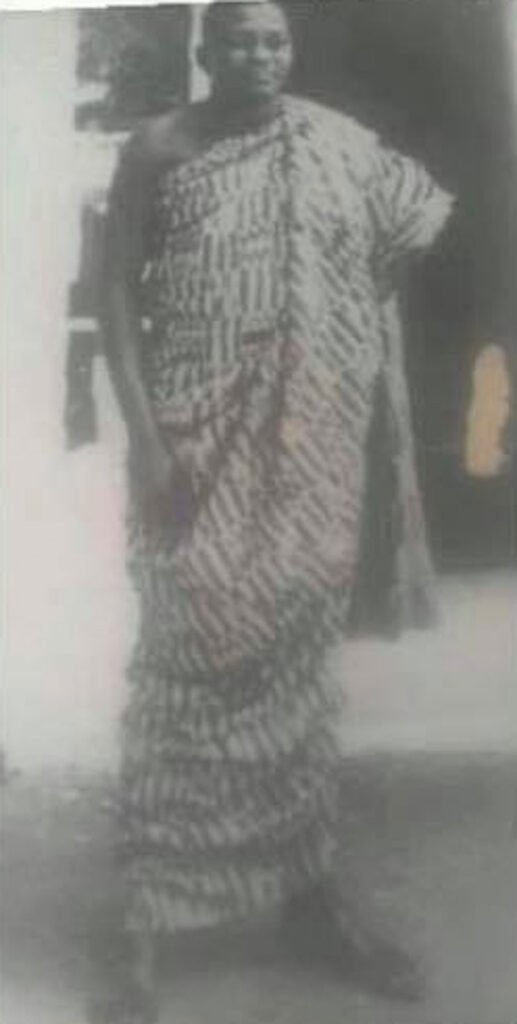
He continued to represent the Bulsa constituency until 1965, when boundary changes made him the MP for the newly created Sandema constituency, a position he held until the 1966 coup ended the First Republic. His personal life was as rich as his public career; he married two wives and raised 14 children, and his legacy continued through his nephew Paul Afoko, who in 2014 became the first northerner to chair the New Patriotic Party.
Together, these men formed the foundation upon which all subsequent northern political representation would be built. They organized when organization was difficult, spoke when silence would have been safer, and served when service demanded sacrifice. Their names deserve to be remembered not merely as entries in a historical record but as the architects of a tradition of northern political engagement that continues to shape Ghana to this day.
Frequently Asked Questions about the Northern Pioneers
What was the Northern People’s Party?
The Northern People’s Party was formed in 1954 in Tamale to advocate for the interests of the Northern Territories in the Gold Coast’s transition to independence. It brought together northern chiefs and educated elites under a single political banner.
Who were the founders of the Northern People’s Party?
The founders included Tolon Naa Yakubu Tali, Simon Diedong Dombo, Mumuni Bawumia, J. A. Braimah, Abayifa Karbo, C.K. Tedam, Jatoe Kaleo, Kpembewura Imoro Salifu, and others, with Naa Sheriga of Mamprugu as patron.
How successful was the Northern People’s Party in elections?
The party won 12 of 104 seats in the 1954 election. It improved to 15 seats in the 1956 election, becoming the second-strongest force in Parliament after the Convention People’s Party.
What happened to the Northern People’s Party after independence?
The Avoidance of Discrimination Act of 1957 prohibited regional and ethnic parties. The Northern People’s Party merged with five other opposition parties to form the United Party on October 13, 1957.
Why did Akantigsi Afoko leave and rejoin the CPP?
Akantigsi Afoko resigned from the CPP in July 1957 to join the Northern People’s Party but returned to the CPP on March 12, 1958, reflecting the complex political dynamics northern politicians faced in balancing regional advocacy with participation in the dominant national movement.
What is the significance of the smock in this history?
When Nkrumah and his colleagues wore northern smocks at independence, they symbolically acknowledged that the new nation belonged to all its peoples, including the North—a recognition of what the northern pioneers had fought for politically.
Coming Soon in This Series
Part Two: The First Republic (1960–1966) – Northern Service Under Nkrumah
Part Three: Military Rule (1966–1969) – The National Liberation Council Years
Part Four: The Second Republic (1969–1972) – Northerners in the Busia Government
Part Five: Military Rule (1972–1979) – The NRC and SMC Era
Part Six: The AFRC Interlude (1979) – Rawlings’ First Coup
Part Seven: The Third Republic (1979–1981) – President Hilla Limann and the Northern Parliamentarians
Part Eight: The PNDC Years (1981–1993) – Northerners in Revolutionary Governance
Part Nine: The Fourth Republic (1993–2001) – Rawlings’ Democratic Era
Part Ten: The Kufuor Years (2001–2009) – Aliu Mahama as First Northern Vice President
Part Eleven: The Mills/Mahama Era (2009–2017) – Northern Leadership at the Highest Level
Part Twelve: The Akufo-Addo Years (2017–2025) – Bawumia as Vice President
Part Thirteen: The Current Parliament (2025–Present) – Northern Voices in the Ninth Parliament