Thesavanna Features
Do you know the Northern Region of Ghana?
The Northern Region of Ghana is the historic and cultural heart of the country, a vast territory of sweeping savannah plains, ancient kingdoms, and vibrant traditions that have shaped the nation’s identity for centuries. This article is the fifth and final instalment…..


The Northern Region of Ghana is the historic and cultural heart of the country, a vast territory of sweeping savannah plains, ancient kingdoms, and vibrant traditions that have shaped the nation’s identity for centuries. This article is the fifth and final instalment in our comprehensive series exploring the five regions of Northern Ghana. We have previously covered the Upper East Region, the Upper West Region, the Savannah Region, and the North East Region—each with its own unique history, cultural heritage, and tourist attractions. Together, these five regions reveal the true diversity and richness of Ghana’s north, far beyond the outdated perception of a single, homogeneous territory.
The Northern Region of Ghana covers a substantial portion of Ghana’s landmass, making it one of the largest regions in the country. The regional capital is Tamale, Ghana’s third city and one of the fastest-growing urban centres in West Africa.
In 2018, as part of a broader national effort to decentralize governance and bring development closer to the people, the then Northern Region was divided to create two new regions—the Savannah Region and the North East Region—leaving the current Northern Region (sometimes referred to as the Northern Region proper) as the heartland of the Dagomba people and the historic Dagbon Kingdom. This decentralization initiative is a result of long-standing calls from various constituencies for more manageable administrative units that could accelerate development and improve resource distribution.
Table of Contents

An Overview of the Land and Its People
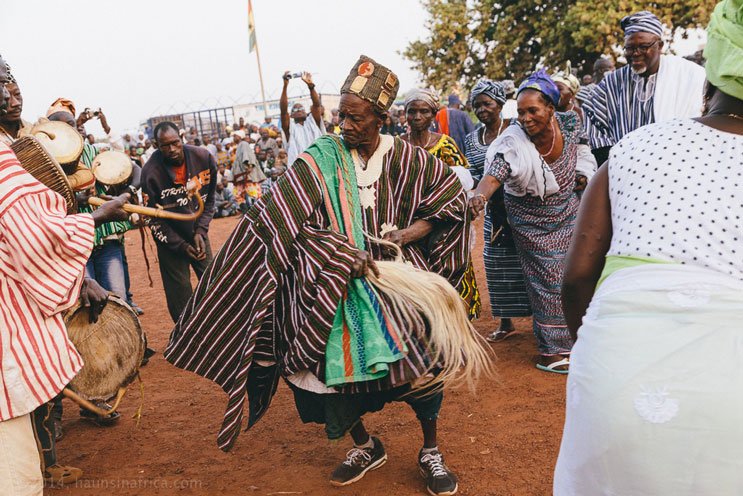
The Northern Region of Ghana is bound on the north by the Upper East and Upper West regions, on the south by the Bono, Bono East, and Oti regions, on the west by Côte d’Ivoire, and on the east by Togo. Its vast expanse is characterized by Guinea Savannah woodland, with the most common trees being the baobab, acacia, shea butter, mahogany, and silk cotton tree.
The population is estimated at millions, with Islam as the main religion, followed by Christianity and African traditional religion. The Northern Region of Ghana is home to a rich diversity of ethnic groups, the major ones being the Dagomba (Dagbamba), Nanumba, Mamprusi, Gonja, and Konkomba peoples. The Dagomba kingdom, known as Dagbon, has a long and rich history, influenced by both indigenous and Islamic traditions.

Climate and Vegetation
Rainfall in the Northern Region of Ghana is lower than in the south, with the driest season running from November to March. Temperatures can vary significantly during the dry season. The vegetation comprises Guinea Savannah woodland, creating a landscape of expansive grasslands dotted with drought-resistant trees and termite mounds under vast open skies.
Languages of the Northern Region, Ghana
The Northern Region of Ghana is exceptionally linguistically diverse, reflecting its complex ethnic tapestry and centuries of migration, trade, and kingdom formation. Most of the languages spoken belong to the Gur branch of the Niger-Congo language family. The languages have several subfamilies, including the Mole-Dagbon (or Mabia), Gurma, and Guang groups. While English serves as the official language for government and Education, daily life in the region is in Dagbani.
The Mole-Dagbon (Mabia) Language Subfamily
The Mole-Dagbon subfamily, also known as Mabia, is the largest language group in Ghana’s Northern Region. The languages within this group are often mutually intelligible to varying degrees, reflecting their shared historical origins tracing back to the legendary Naa Gbewaa, whose descendants founded the Dagbon, Mamprusi, and Nanumba kingdoms.
Dagbani is the language of the Dagomba (Dagbamba), the predominant ethnic group in Ghana’s Northern Region. It serves as the lingua franca of the Dagomba people. It is spoken primarily in Tamale, Yendi, and Savelugu, as well as throughout the Dagbon Traditional Area.
The Mamprusi people speak Mampruli. While Mampruli is the dominant language of the neighbouring North East Region, it is mutually intelligible with Dagbani.
The Nanumba people speak Nanumba in the southeastern part of Ghana’s Northern Region, particularly around the town of Bimbilla. It is so closely related to Dagbani that speakers of Dagbani and Nanumba can generally understand one another.


Hanga, spoken by the Hanga people, is part of the broader Mabia ethnic group. Their primary settlements are in the Savannah Region of Ghana, southeast of Mole National Park in the Damongo District. However, some Hanga speakers are in parts of the Northern Region.
Kamara is the language of the Kamara people, who belong to the Mabia ethnic group. The Kamara language is a Gur language of Ghana, with speakers primarily located in the country.
Kantosi is spoken by the Kantosi people (also known as Yadasi or Samoni), who are an indigenous Gur people of Ghana. They belong to the same broader Mabia ethnic family as the Dagomba and Mamprusi.
The Gurma Language Subfamily
The Gurma subfamily is represented in the Northern Region of Ghana primarily by languages spoken in the eastern and northeastern parts of the region, often by communities that straddle the border with Togo.
Konkomba (Likpakpaln) is spoken by the Konkomba people, who refer to themselves as Bikpakpaam. They are predominantly found in the eastern part of the Northern Region of Ghana, particularly in the Saboba, Chereponi, Nanumba, Gushiegu, Karaga, Zabzugu, and Tatale-Sanguli districts. Their language belongs to the Gurma subfamily and is distinct from the Mole-Dagbon languages that dominate the region.
The Bimoba people speak Bimoba in the northeastern part of the country, bordering Togo. While the Bimoba people are concentrated in the North East Region, their language is also heard in the eastern districts of the Northern Region, Ghana, near the border.
Ntcham (Basari) is spoken by the Ntcham people, with communities in the Northern Region of Ghana near the border with Togo.
Konni is a Gurma language spoken by the Konni people in the Northern Region of Ghana.
The Guang Language Subfamily
The Guang languages belong to the Tano languages within the Kwa branch of Niger-Congo, distinct from the Gur languages that dominate the north. The Guang people are believed to have been among the earliest settlers in Ghana, migrating from the Mossi-Dagbon region of modern Ghana and Burkina Faso around 1000 A.D. Several Guang languages are spoken in the Northern Region of Ghana. However, some Guang-speaking communities are primarily located in other regions.
Gonja is spoken by the Gonja people, who historically established a powerful kingdom in what is now the Savannah Region in the 16th century. Gonja is also spoken in parts of the Northern Region of Ghana, particularly in the south. The Gonja ruling dynasty claims descent from Mande invaders, and their language, Gbanyito, is a Guang language.
The Chumburu people speak Chumburung. The Chumburung kingdom and traditional area are in the western part of the Kpandae District in the Northern Region of Ghana, making it the homeland of the Chumburu people.
Nawuri is spoken by the Nawuri people, who are part of the Guan ethnic group. The Nawuri people live in parts of the Northern Region and the Oti Region, mostly at the eastern end of the Salaga district, on the west bank of the Volta Lake and the Oti River. Their language is a northern Guang language with no major dialects.
Gikyode is spoken by the Akyode (Kyode), a Guan ethnic group. While their primary territory is in the Nkwanta District of the Oti Region, some Akyode communities may be found in areas near the border with the Northern Region.
Dwang is spoken by the Dwang people (also known as Nchumuru), who are a Guan group. Their territory is primarily south of Lake Volta in the Brong-Ahafo Region, south of the Chumburung-speaking area. However, some speakers may be found in the southern parts of the Northern Region.
Nchumbulu is spoken by the Nchumbulu people, a Guan group living in three villages near Kplang, west of Lake Volta, in the Brong-Ahafo Region. Although their primary location is outside the Northern Region, the language is classified as a northern Guang language.
Other Languages
Fulfulde (Fula) is spoken by the Fulani (Fulbe) people, who are cattle-herding communities found throughout the northern savannahs of West Africa. In the Northern Region of Ghana, Fulfulde is spoken by Fulani herders who have migrated into the region with their cattle. The Fulani are known for their expertise in cattle rearing and can be found across the region’s grasslands.
Major Towns of the Northern Region of Ghana
The Northern Region of Ghana is divided into numerous districts, with several major towns serving as administrative, commercial, and cultural hubs.
Tamale: The Regional Capital of the Northern Region of Ghana
Tamale is Ghana’s third-largest city and the capital of the Northern Region. It is the second-largest and third-most populous city in Ghana. It has been voted the cleanest city in Ghana by the Ghana Tourist Board three times. The city is proud of its well-organized road network compared to other cities and regions in Ghana.
Tamale presents a unique architectural blend of traditional mud houses and modern buildings. While most houses are roofed with corrugated iron sheets, many retain traditional grass roofing. Many of these mud-block compounds have TV antennae and electricity wires, creating a fascinating juxtaposition of old and new. The city feels like a conglomeration of villages, and at night it is quiet and peaceful.
The city serves as the primary gateway to the Northern Region of Ghana and beyond, with Tamale International Airport offering regular flights from Accra and Kumasi. It is a cultural melting pot where indigenous tribes, primarily the Dagombas, maintain their traditions while embracing modernity.

Yendi: The Traditional Capital of Dagbon in the Northern Region of Ghana
Yendi is the traditional seat of the Ya-Na, the King of the Dagomba people. It holds immense historical and cultural significance within the Northern Region of Ghana. The town is home to the Ya-Na Palace and the graves of ancient Dagomba kings, including the burial site of the legendary warrior Babatu and Samori, whose graves at Yendi are important historical landmarks. Yendi is reputed to be the largest village in West Africa, and its traditional court remains the centre of Dagbon governance. Any visit to the Northern Region of Ghana would be incomplete without understanding its central role in Dagomba history and identity.
Salaga: A Site of Painful History in the Northern Region of Ghana
Salaga, located about 100 kilometres southeast of Tamale, is a town of profound historical importance within the Northern Region of Ghana. It was the location of a major slave market where enslaved people were exchanged for cola nuts and gold during the trans-Saharan and trans-Atlantic slave trades. The market took place under a baobab tree in the village square. While the original tree has since died and another has taken its place, the building that once housed enslaved people still stands. To this day, the chief of Salaga possesses some of the shackles and stakes used to enslave people, making the town a solemn destination for heritage tourism and remembrance in the Northern Region of Ghana.
Bimbilla
Bimbilla is the capital of the Nanumba Traditional Area and a major town in Ghana’s Northern Region, in the southeastern part of the country. It serves as the seat of the Bimbilla-Na, the King of the Nanumba people. It is an important centre for commerce and traditional governance.
Other Notable Towns in the Northern Region of Ghana
Other significant towns in the Northern Region of Ghana include Savelugu, Kpandai, Gushiegu, Saboba, Chereponi, Zabzugu, and Tatale, each serving as district capitals and contributing to the region’s economic and cultural landscape.
Cultural Heritage and Traditions of the Northern Region of Ghana
The culture of the Northern Region of Ghana is profoundly shaped by the Dagomba Kingdom (Dagbon), one of Ghana’s most significant traditional states. The Ya-Na, the King of Dagbon, holds immense cultural and political influence, with his palace in Yendi serving as the epicentre of Dagomba tradition. According to oral traditions, the Dagomba, Mamprusi, and Nanumba peoples share a common ancestry tracing back to Naa Gbewaa, and their traditional kingdoms remain closely linked.
Festivals and Chieftaincy in the Northern Region of Ghana
Festivals are integral to life in the Northern Region of Ghana, celebrating historical events, the births of religious figures, and the legacies of ancestral heroes.
Damba Festival in the Northern Region of Ghana
The Damba Festival is a grand celebration of the birth of Prophet Muhammad, observed by Muslims on the 12th day of the third month of the lunar calendar. However, over time, Damba has taken on a more traditional character than a purely Islamic one, becoming a spectacle of pageantry and showmanship celebrated by most ethnic groups in the Northern Region of Ghana. It is a two-day festival full of drumming, dancing, feasting, and horse riding, showcasing the region’s rich Islamic heritage and royal traditions. The festival brings families living abroad and at home together for merry-making and reflection, and it serves as an occasion for chiefs to address their people on matters of development and peace.

Bugum Chugu (Fire) Festival in the Northern Region of Ghana
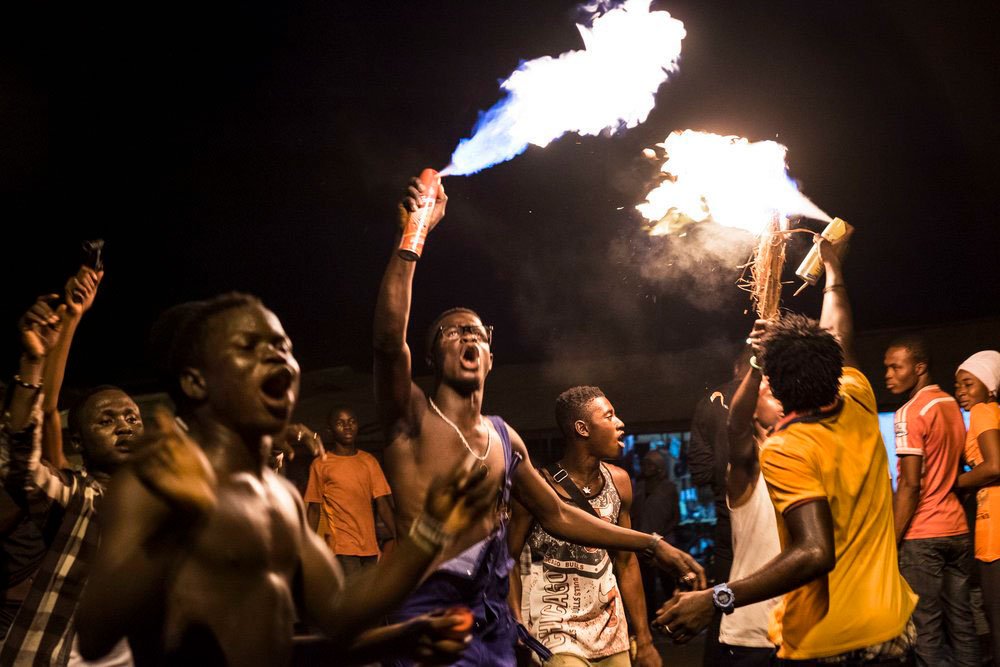
The Bugum Fire Festival, also known as the Fire Festival, is a significant cultural and religious event celebrated primarily by the Dagomba people of Ghana’s Northern Region. It marks the beginning of the traditional calendar year and has deep historical, cultural, and spiritual importance. The festival’s origins trace back several centuries to the time of Naa Gbewaa, the founder of the Dagbon Kingdom. According to legend, when one of Naa Gbewaa’s sons lost his way in the forest at night, the people used torches made from dried grass to search for him. Upon finding him safe, they returned to the village with their torches still lit, and this act became an enduring tradition.
The festival is held on the 9th day of the first month of the Dagomba lunar calendar (October-November). On the night of the festival, the present-day chief leads a procession from his palace to a designated spot outside the town, where a ceremonial fire is lit, and prayers are offered to the ancestors. Thousands of torches then illuminate the streets, amid drumming and dancing, until daybreak, symbolizing the victory of light over darkness and the casting out of evil spirits. It is a profound expression of Dagomba identity, resilience, and communal spirit within the Northern Region of Ghana.
Craftsmanship in Northern Region of Ghana: Smock Weaving, Leather Works, and Pottery
The Northern Region of Ghana is renowned for its distinctive handicrafts, which reflect its artistic heritage and cultural identity.
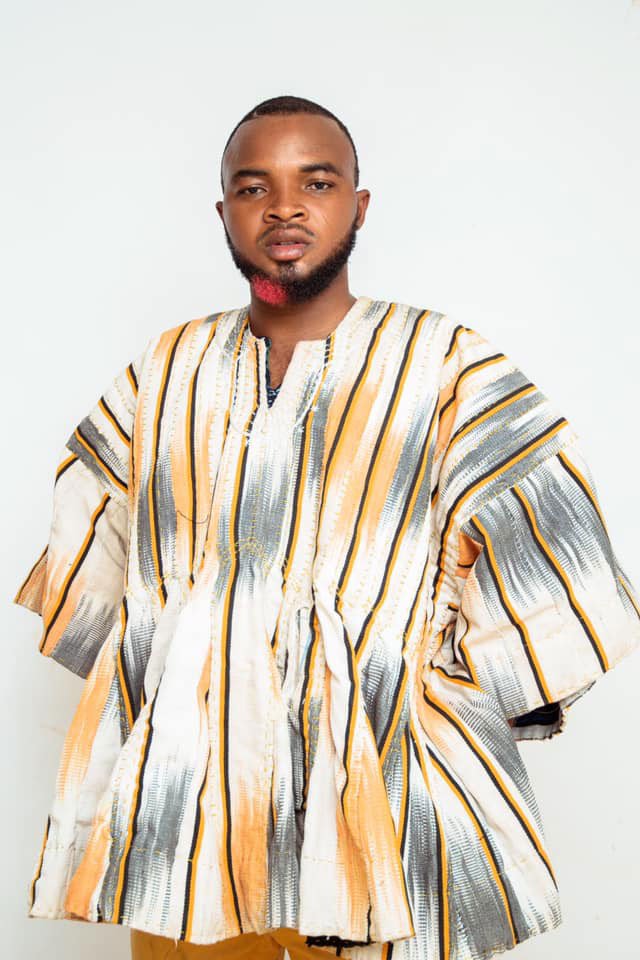
Smock (Fugu) Weaving: The handwoven fugu, also known as batakari, is a hallmark of fashion in Ghana’s Northern Region. The cloth features distinctive patterns and is often used for ceremonial attire. Smock weaving techniques vary between towns and villages, with unique patterns and designs representing different clans or lineages. The town of Daboya is particularly famous for its smock weaving, along with Gushiegu and other communities within the Northern Region of Ghana.

Leather Works: Artisans in the Northern Region of Ghana are skilled in leatherworking, creating intricate saddles, bags, sandals, and ornaments. Tamale is especially famous for its leatherwork and shea butter production, with these products being major items in local markets.
Pottery and Xylophone Making: Various communities in the Northern Region of Ghana specialize in traditional crafts, including Xylophone making at Cilsiya near Bimbila and unique pottery traditions throughout the region.
Cuisine of the Northern Region of Ghana
The local cuisine of the Northern Region of Ghana is hearty and rooted in the region’s agricultural production. Tuo Zaafi (TZ) is the staple food—a smooth, thick porridge made from maize or millet, often served with soups made from leafy greens or groundnut soup. Other popular dishes include various millet-based preparations and local beverages.


Traditional Dances, Music, and Folklore of the Northern Region of Ghana
Damba Dance: A captivating dance performed by the Dagomba people of the Northern Region of Ghana during the Damba Festival, characterized by rhythmic movements and elaborate regalia.
Bamaya Dance: A dance that celebrates harvest festivals in the Northern Region of Ghana, featuring distinctive costumes and movements.
Gungon Drum: The ‘Gungon’ drum is very common in the music of the Northern Region of Ghana, accompanying many traditional chieftaincy and historical performances.
Folklore: Rich oral traditions in the Northern Region of Ghana include stories of kingdom-building, ancestral heroes, and warfare. Proverbs convey wisdom and guide social behaviour, while praise songs honour chiefs and preserve historical memory.
Higher Learning Educational Institutions in the Northern Region of Ghana
The Northern Region of Ghana is home to a robust and growing network of educational institutions that serve the entire northern sector of the country—ranging from premier universities to specialized training colleges —providing diverse opportunities for academic and professional development.
University for Development Studies (UDS)
The University for Development Studies (UDS) is the premier tertiary institution in the Northern Region of Ghana, established in May 1992 as Ghana’s first public university in the north. Founded with a mandate to blend academic learning with practical development, UDS was born from a dream and initially funded by prize money from an international leadership award presented to Ghana’s former President, Flight Lieutenant Jerry John Rawlings. The university started with a single faculty—the Agriculture Faculty based at Nyankpala in the Tolon District—with the overall mission to address food insecurity and other development challenges through practical research and hands-on training.
One of UDS’s most distinguishing features is the pioneering Third Trimester Field Practical Programme (TTFPP), where students spend their final trimester in rural communities executing development projects and gaining hands-on experience. For over 30 years, TTFPP has produced graduates with deep insight into Ghana’s socio-economic realities who are solution-oriented, resilient, and ready to serve in underserved communities.
Tamale Technical University
It provides practical and technical Education in the Northern Region of Ghana, producing skilled graduates in engineering, applied arts, and commerce who contribute to the region’s industrial and economic development.
Bagabaga College of Education
Bagabaga College of Education, Tamale: Established on 31 January 1944, Bagabaga College of Education (originally known as Tamale Government Training College) is one of the oldest teacher training institutions in Ghana. It opened with 17 male students and Mr. K. J. Dickens as the first principal, to train professional teachers for basic schools. The college is located in the Sagnarigu Municipal District of Tamale. It is one of the 46 public colleges of Education in Ghana.
It participates in the DFID-funded Transforming Teacher Education and Learning (T-TEL) programme. Over the years, the college has produced thousands of teachers of various grades and categories for the Ghana Education Service. Notable alumni include Dr. Hilla Limann (President of the Third Republic of Ghana), Chief Simon Diedong Dombo (Leader of the Opposition in Parliament in 1960), and Alhaji Mumuni Bawumia (Lawyer, former diplomat, and former chairman of the Council of State). In 2021, Bagabaga College of Education was adjudged the Best College of Education in the Northern Zone.
Tamale College of Education
Tamale College of Education: This college is located in Tamale and is another key institution for teacher training in the Northern Region of Ghana. In the 2021 academic rankings, it ranked second among colleges of Education in the Northern Zone.
EP Bagabaga College of Education
E.P. College of Education, Bimbilla: Located in Bimbilla in the eastern part of the Northern Region, Ghana, this college serves the Nanumba Traditional Area and surrounding communities. In the 2021 rankings, it placed third in the Northern Zone.
St. Vincent Bagabaga College of Education
St. Vincent College of Education, Yendi: Located in the traditional capital of Dagbon, St. Vincent College of Education contributes to teacher training in the eastern corridor of the Northern Region, Ghana.
Future Developments in Teacher Education
Namburugu STEM College of Education, Karaga: In a significant development for the Northern Region of Ghana, ground was broken in 2024 for the construction of the Namburugu STEM College of Education at Karaga. This will be the first-ever tertiary-level government-owned training institution built solely for Science, Technology, Engineering, and Mathematics (STEM) instructors in the country. Upon completion, it will train persons desirous of teaching STEM in Senior High Schools and other institutions across Ghana, preparing the nation’s youth for the Fourth Industrial Revolution. The facility will include student accommodation, an ultramodern auditorium, an ICT Centre, and staff living quarters.
Second Cycle Institutions in the Northern Region of Ghana
Numerous senior high schools serve the Northern Region of Ghana, providing secondary Education to students from across the north. These include Tamale Senior High School (TAMASCO), Ghana Senior High School (GHANASCO), Yendi Senior High School, Salaga Senior High School, Bimbilla Senior High School, Gushiegu Senior High School, Saboba Senior High School, and Zabzugu Senior High School, among others. These institutions are vital educational pillars for their communities and feed into the region’s tertiary institutions.
Business and Investment Opportunities in the Northern Region of Ghana
The Northern Region of Ghana is predominantly agricultural, with the majority of the labour force employed in agriculture. This presents significant investment and development opportunities.
Agriculture in the Northern Region of Ghana
The Northern Region of Ghana, with its vast arable land, is ideal for cultivating cereals (maize, millet, sorghum), yams, legumes, and cash crops such as shea butter. The shea nut industry, in particular, offers tremendous potential for value-added processing and export from the Northern Region of Ghana.
Livestock in the Northern Region of Ghana
The expansive savannah grasslands of the Northern Region, Ghana, support cattle rearing, sheep, and goat production, presenting opportunities for commercial ranching, meat processing, and leather production. The Fulani herders who migrate through the region with their cattle are experts in livestock management, and their presence adds to the region’s pastoral economy.
Trade and Commerce in the Northern Region of Ghana
Tamale’s strategic location as the gateway to the Northern Region of Ghana, combined with its international airport and road connections to Togo, Burkina Faso, and Côte d’Ivoire, positions it as a major hub for cross-border trade.
Eco-Tourism Development in the Northern Region of Ghana
With attractions such as Mole National Park, the historic Larabanga Mosque, and rich cultural festivals, the Northern Region of Ghana offers substantial investment opportunities in eco-lodges, tour operations, and hospitality infrastructure.
Top Tourist Attractions in the Northern Region of Ghana
The Northern Region of Ghana is home to some of Ghana’s most significant tourist destinations, including wildlife parks, ancient mosques, and cultural centres.
Mole National Park
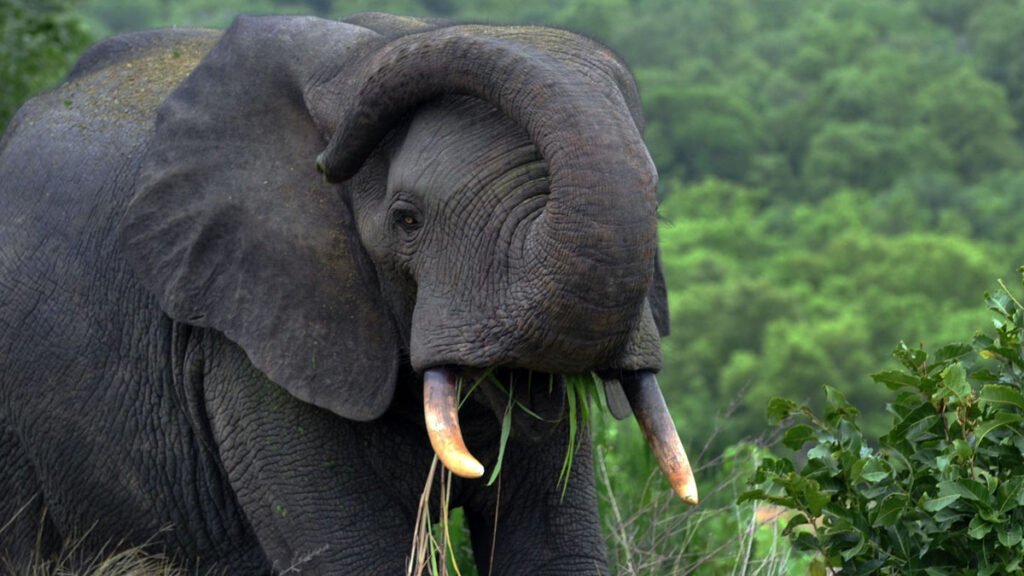
Located a few hours from Tamale in the neighbouring Savannah Region but accessed primarily through the Northern Region of Ghana, Mole National Park is Ghana’s premier wildlife refuge, covering thousands of square kilometres of savannah. It is home to elephants, buffalo, warthogs, antelopes, baboons, and numerous bird species. Visitors can enjoy walking safaris led by armed rangers or game viewing from vehicles. The park’s location offers a unique jungle safari experience distinct from traditional African safaris.
Larabanga Mosque
Near Mole National Park lies the Larabanga Mosque, believed to have been built in the 15th century, making it Ghana’s oldest mosque. Its striking Sudano-Sahelian architecture, characterized by whitewashed mud-brick walls supported by wooden projecting beams, is a photographer’s dream.
Salaga Slave Market
The Salaga Slave Market is a site of great importance for those seeking to understand the full story of the trans-Atlantic and trans-Saharan slave trades. The building that once housed enslaved people still stands, and the chief of Salaga preserves shackles and stakes used during that dark period. It is a key destination for heritage tourism and remembrance within the Northern Region of Ghana.
Tamale Cultural Centre
The Tamale Cultural Centre offers visitors an immersive experience of local traditions, music, and art. It showcases an impressive collection of artifacts and exhibits that provide insight into the history of the Northern Region of Ghana. It features traditional dances such as the Damba and Bamaya. The centre also has shops selling oil paintings, batiks, ornaments, and goatskin handbags.
Tamale Museum
The Tamale Museum provides a window into the lives of the Dagomba, Gonja, and other northern tribes, showing how their traditions continue to influence modern Ghanaian culture. It features artifacts from ancient trade routes, musical instruments, and intricately woven textiles. The museum is designed with inclusivity in mind, offering wheelchair-accessible entrances and facilities.
“Red Clay” Art Galleries
Just on the edge of Tamale, the “Red Clay” art galleries feature a series of large art installations of spectacular, unexpected quality. Visitors can see a Polish military plane from the 1930s, an old East German train, and large piles of glass bottles, alongside impressive large paintings by James Barnor depicting Ghana workers building the railroad. Goats wander the premises, adding to the unique atmosphere.
Yendi Historical Sites
Yendi is home to the Ya-Na Palace and the graves of ancient Dagomba kings, including those of Babatu and Samori. These sites offer deep insight into the royal history of the Northern Region of Ghana and the legacy of resistance against colonial incursions.
Other Attractions in the Northern Region of Ghana
Tali Horse Hoof Tree: Located at Tali, about 30 kilometres from Tamale, this tree holds cultural significance.
Archaeological Site at Yikpabongo: While primarily in the North East Region, this site is accessible from the Northern Region of Ghana and features ancient terracotta figurines.
Exploring Northern Ghana: A Region-by-Region Guide
The Northern Region of Ghana is the historic heart of a much larger tapestry. Together with its neighbouring regions, it reveals a land of incredible cultural and geographical diversity. We encourage you to explore our complete series of guides.
Upper East Region: Discover the land of the Tongo Hills, the sacred crocodile ponds of Paga, and the vibrant craft markets of Bolgatanga, famous for the intricate Bolga baskets. Read our full guide to the Upper East Region here.
Upper West Region: Journey to Ghana’s “Rice Bowl,” home to the community-led Wechiau Hippo Sanctuary, the historic Gwollu Defence Wall, and the mysterious Naa Gbewaa Shrine. Explore the Upper West Region in our dedicated article.
Savannah Region: Explore Ghana’s largest region, home to Mole National Park, the ancient Larabanga Mosque, and the solemn Salaga Slave Market. Discover the Savannah Region in our comprehensive guide.
North East Region: Journey to the heartland of the Mamprusi Kingdom, home to the Nayiri Palace in Nalerigu, the stunning Gambaga Escarpment, and the ancient Koma figurines. Explore the North East Region in our dedicated article.
Why Visit or Invest in the Northern Region of Ghana?
The Northern Region of Ghana offers profound experiences for both visitors and investors. It is a place for:
Cultural Enthusiasts: Ancient kingdoms, royal palaces, vibrant festivals like Damba and Bugum, and living chieftaincy traditions.
History Buffs: Slave-market sites, colonial-era graves, and museums preserving the rich heritage of the Northern Region of Ghana.
Wildlife Lovers: Elephants, antelopes, and diverse bird species at Mole National Park, accessed through the Northern Region of Ghana.
Adventure Seekers: Walking safaris, hiking, and exploring remote savannah landscapes.
Art and Craft Aficionados: World-class art galleries, traditional smock weaving, and leatherwork.
Investors: Opportunities in agriculture, livestock, trade, and eco-tourism development.
Conclusion
The Northern Region of Ghana is a land of immense scale, profound history, and vibrant living culture. As the historic heart of the Dagomba Kingdom and the gateway to all of northern Ghana, it offers visitors and investors alike a journey into the soul of a region that has shaped the nation’s identity for centuries.
From the bustling markets and cultural centres of Tamale to the wildlife-rich plains of Mole National Park, from the solemn history of Salaga to the royal precincts of Yendi, this region captivates all who venture here. Its robust educational infrastructure—from the pioneering University for Development Studies to its network of Colleges of Education and the forthcoming STEM College at Karaga—ensures that the region’s youth are prepared to lead its future development.
When explored alongside its sister regions—Upper East, Upper West, Savannah, and North East—the Northern Region of Ghana completes the tapestry of Ghana’s north, revealing a land of incredible diversity, resilience, and beauty that will linger in the memory long after the journey home.
Ever wondered about the preservation of African Languages? One App by Africans is making all efforts to ensure African languages do not die off. That is Khaya AI.