Savanna Features
Exploring Upper East Region Tourism: 4 Treasure troves
Upper East Region tourism offers visitors a diverse and culturally rich experience in Ghana. A visit is a journey into a land of striking contrasts where ancient granite hills cradle sacred shrines, where wild crocodiles live in harmony with local communities, and where centuries-old artistic traditions continue to adorn the walls of humble dwellings.


Upper East Region tourism offers visitors a diverse and culturally rich experience in Ghana. A visit is a journey into a land of striking contrasts where ancient granite hills cradle sacred shrines, where wild crocodiles live in harmony with local communities, and where centuries-old artistic traditions continue to adorn the walls of humble dwellings. As one of Ghana’s smallest but most culturally rich regions, the Upper East invites travellers to discover a heritage that has survived wars, slave raids, and the passage of time.
This article is part of our ongoing series exploring the five regions of Northern Ghana, following our previous guides to the Upper West, Savannah, North East, and Northern Regions. Today, we turn our focus to the remarkable attractions that make Upper East Region tourism so distinctive.
Table of Contents
Importance of Upper East Region Tourism
Upper East Region tourism represents far more than a leisure activity. It is a potential economic lifeline for one of Ghana’s most resourceful regions. As Mr. Wisdom Ahadzi, the Upper East Regional Director of the Ghana Tourism Authority (GTA), aptly noted, “When one tourist comes to the Region, the benefits are multifaceted because one tourist visit benefits accommodation, drinks, food, transportation, and other areas”. This multiplier effect means that every visitor who journeys to the Tongo Hills or the Paga Crocodile Ponds generates economic ripples that touch multiple sectors and countless livelihoods across the Upper East Region tourism value chain.
The sector’s potential for job creation cannot be overstated. The Upper East Region tourism industry’s value chain encompasses hotels and guesthouses, restaurants and eateries, transport operators, tour guides, artisans selling crafts, and vendors providing various services. For the youth of the Upper East Region, who face significant unemployment challenges, Upper East Region tourism offers a pathway to meaningful livelihoods. Mr. Wenawome Aborah, Chairman of the Paga Youth Movement, emphasized that the region’s tourist sites could “offer job opportunities to the youth to reduce unemployment” if properly harnessed.
Beyond economics, Upper East Region tourism serves as a powerful tool for cultural preservation. The Pikworo Slave Camp, the Tongo shrines, and the Sirigu murals are not merely attractions—they are living repositories of history, spirituality, and artistic expression. When visitors come to learn about these sites, they validate their importance and help motivate communities to preserve their heritage for future generations, ensuring that Upper East Region tourism becomes a vehicle for cultural continuity.
Furthermore, the Upper East Region holds special significance for the African diaspora. Heritage sites like the Pikworo Slave Camp serve as pilgrimage destinations for those seeking to understand and reconnect with their ancestral past, making Upper East Region tourism an essential component of the itinerary for Panafest and Emancipation Day celebrations.
Thesavannaonle’s top attractions in the Upper East Region
Spiritual and Historical Sites
Paga Crocodile Pond
Located near Navrongo, close to the Burkina Faso border, Paga is home to the Paga Crocodile Pond, which is one of Ghana’s most extraordinary attractions and a cornerstone of Upper East Region tourism. Here, large West African crocodiles, revered by the local Kasena people of Paga as sacred, coexist peacefully with humans. Legend holds that the soul of the Paga people resides within these crocodiles, making it taboo to harm them. Another tale tells of a crocodile that saved a man from a lion, leading to a sacred pact between his descendants and the reptiles.
Visitors to this iconic Upper East Region tourism site can touch and photograph the crocodiles, which respond to their guides’ calls and emerge from the water—an experience described by one traveller as “something I never thought I’d do in my lifetime”.
Tongo Hills & Tengzug Shrine
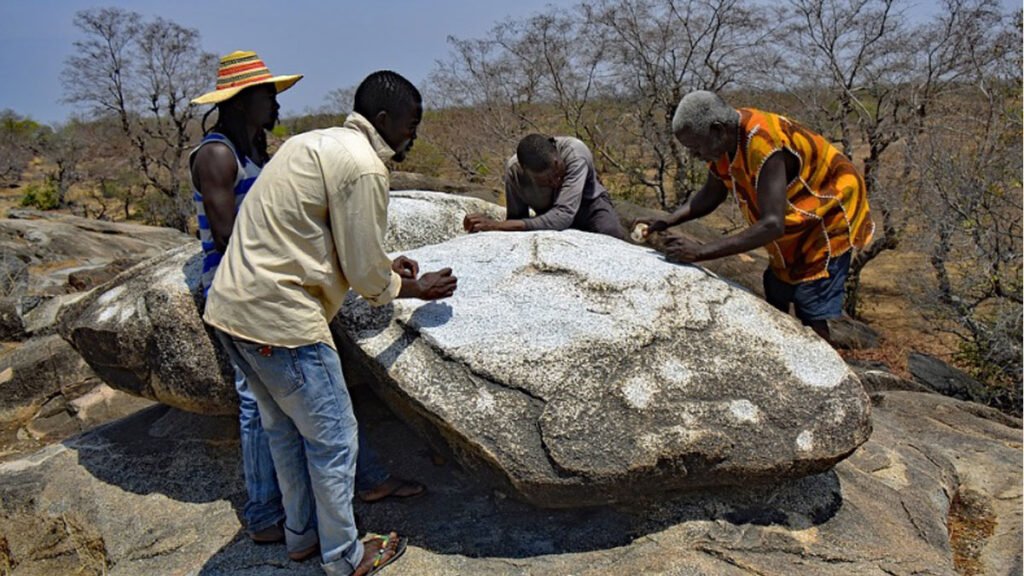
The Tongo Hills present a dramatic landscape of granite inselbergs that have sheltered the Talensi people for centuries. This area is not merely a geological wonder but the spiritual heartland of the Talensi, where ancestors are believed to have hidden in caves during the tumultuous era of slave raids. The shrines nestled within these hills are believed to bestow luck and prosperity on those who visit with reverence. The site is on UNESCO’s World Heritage Tentative List, underscoring its global significance.
Visitors exploring Upper East Region tourism must be accompanied by a local guide, dress modestly, and always seek permission before photographing sacred areas. The Tongo Whistling Rocks amaze visitors not just with their strange sounds but also with their ties to Talensi traditions.
Pikworo Slave Camp, Paga Nania
Founded in 1704, the Pikworo Slave Camp stands as a haunting memorial to one of humanity’s darkest chapters. Located three kilometres west of Paga, this site served as a transit camp where captured men, women, and children were held in brutal conditions before being marched south to the Salaga Slave Market. Visitors exploring Upper East Region tourism can still see the feeding bowls carved into rocks, the punishment stone where escapees were chained under the scorching sun, and a mass grave that speaks to the immense suffering endured here.

In a significant development for Upper East Region tourism, the Ghana Tourism Authority recently commissioned the redevelopment of the Pikworo Heritage and Slave Camp. The project, funded by the Tourism Development Fund, has added a periphery wall, frontage, summer huts, washrooms, and an administration block, complete with a waiting area, reception, and souvenir display room. Future phases will include fencing, graveyard restoration, and landscaping.
Naa Gbewaa Shrine, Pusiga
In the town of Pusiga, near the border with Togo, lies the sacred ancestral shrine dedicated to Naa Gbewaa, the legendary 14th-century founder of the Mamprusi, Dagomba, and Nanumba kingdoms. For the people of northern Ghana, this site holds profound spiritual significance, serving as a locus of ancestral veneration for centuries. The shrine is managed by a spiritual custodian, a Tindana, who oversees rituals and offerings at this hallowed ground.
Kulungungu Bomb Site, Near Bawku
This historical monument marks the location where Ghana’s first President, Dr. Kwame Nkrumah, survived an assassination attempt. It adds a layer of modern political history to the rich tapestry of Upper East Region tourism attractions.
Architectural and Cultural Gems
Navrongo Catholic Cathedral (Our Lady of Seven Sorrows)
Completed in 1920, the Navrongo Catholic Cathedral stands as a testament to the ingenious fusion of European architectural vision and local building traditions. Constructed entirely of mud bricks and plastered with mud mortar, it is believed to be the last remaining cathedral of its kind in Ghana. The 13-metre high bell tower rises above a floor made of compacted gravel, cow dung, and dawa-dawa—a mixture that creates a surprisingly durable and smooth surface.
What truly sets this cathedral apart, however, are its walls. Beginning in 1973, women from the local Nankani-Kassena community adorned the interior and exterior of the church with vibrant murals that blend Catholic iconography with traditional symbols, creating a unique sacred space found nowhere else on earth.
Sirigu Women’s Art & Pottery
The village of Sirigu has earned renown as one of Ghana’s most artistically vibrant communities and a cornerstone of Upper East Region tourism. Here, women artists have preserved and perfected the ancient traditions of mural painting and pottery, using natural, organic materials sourced from their immediate environment. The geometric wall designs that adorn Sirigu’s homes are not merely decorative—they carry deep cultural meanings, reflecting proverbs, historical events, and spiritual beliefs passed down through generations.

Visitors to Sirigu can watch these talented artists at work through SWOPA (Sirigu Women’s Organization for Pottery and Art), learn about their techniques, and purchase authentic artwork directly from the creators, ensuring that the economic benefits of Upper East Region tourism flow directly to the community.
Bolgatanga Craft Village and Markets
The capital’s vibrant central market is the premier place to encounter the famous Bolga baskets—beautifully crafted, colourful baskets that have become a global icon of Ghanaian craftsmanship and are sought after by interior decorators worldwide. Beyond baskets, the market offers leather sandals, traditional smocks (Fugu), intricately strung beads, and locally made pottery. The market pulses with its greatest energy every three days, and bargaining is not merely accepted but expected.
Natural Wonders
Bongo Rock Formations and Ancient Granaries
The area surrounding Bongo presents a paradise for hikers, photographers, and nature lovers exploring Upper East Region tourism. Picturesque granite rock formations rise from the savannah, creating a dramatic backdrop for exploration. Scattered throughout this landscape are traditional granaries—ingenious stone-and-mud structures developed over centuries to store grain safely during the long dry season. These silent sentinels of agricultural history offer glimpses into the resourcefulness of the region’s ancestors.
Kandiga Mystery Caves and Rock Shelters
These sites hold archaeological and historical significance, offering a more off-the-beaten-path adventure for intrepid travellers exploring Upper East Region tourism.
Cultural Festivals
The Upper East Region’s festival calendar offers visitors immersive cultural experiences that represent the pinnacle of Upper East Region tourism:
Feok Festival (Sandema)
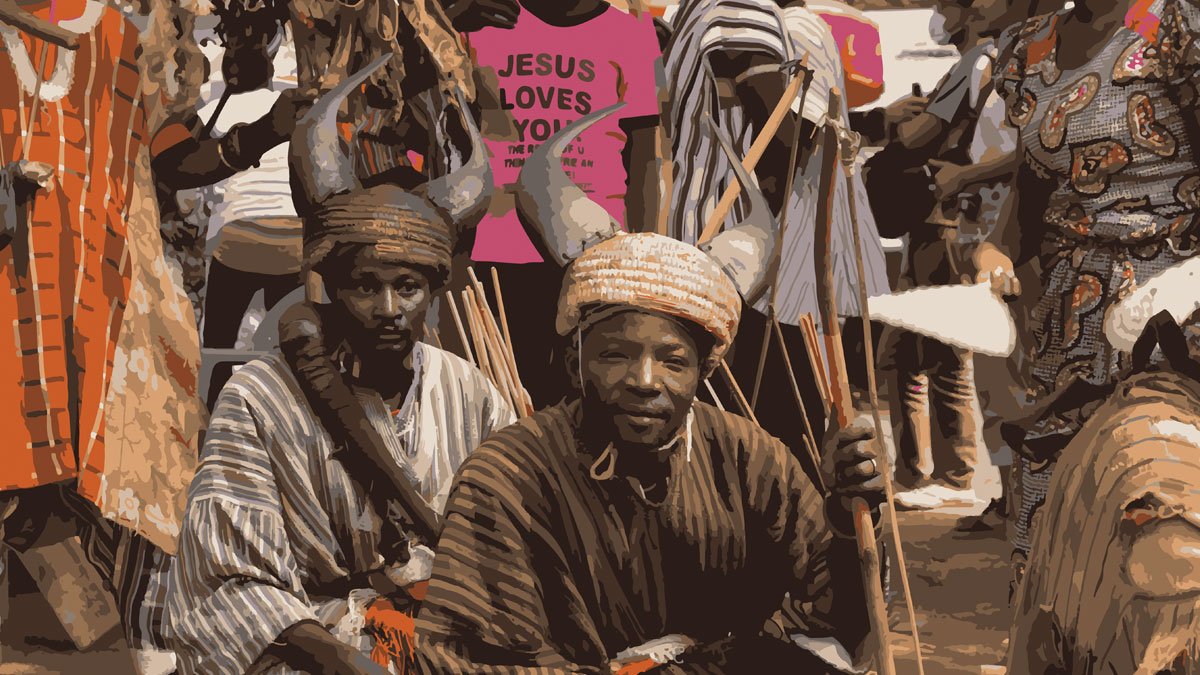
A vibrant celebration of Builsa resistance and freedom, marked by mesmerizing warrior dances that honour ancestors who successfully resisted slave raiders. For visitors fortunate enough to time their journey to coincide with December’s celebrations, the Feok Festival in Sandema offers an unmissable cultural spectacle that represents the pinnacle of Upper East Region tourism experiences. Celebrated by the Builsa people, this vibrant festival honours the memory of ancestors who successfully resisted slave raiders—a source of immense pride for the community. Mesmerizing warrior dances, thunderous drumming, and joyous communal celebrations transform Sandema into a living stage where history is not merely remembered but reenacted with passion and power, drawing visitors from across Ghana and beyond.
Fao Festival (Navrongo, Chiana, and Kasem areas):
A premier harvest festival of the Kasena people, involving solemn sacrifices and vibrant cultural displays
Samanpiid Festival (Bawku):
Celebrated by the Kusaasi people to mark the end of the harvest and offer thanks
Gologo Festival (Tongo):
A prayer for rain and a good planting season, celebrated by the Talensis people
The Struggles Facing Upper East Region Tourism
Despite its wealth of attractions, Upper East Region tourism faces formidable challenges that have prevented it from reaching its full potential.
Inadequate Infrastructure
The most persistent obstacle to the growth of Upper East Region tourism is inadequate infrastructure. The absence of a regional airport has been described as “long overdue” by Mr. Wisdom Ahadzi, who has intensified calls for the government to expedite action on this crucial project. The processes for constructing an airport for the region began in the late 1970s and early 1980s, when over 2,885 hectares of land were earmarked for the Anateem site near Sumbrungu. Despite numerous technical evaluations and feasibility studies, successive governments have failed to bring the project to fruition after more than three decades, leaving locals frustrated and disappointed.
The impact of this deficiency on Upper East Region tourism was painfully evident during the 2024 Emancipation Day celebrations, when “some of our returnees who wished to have been part of us in the celebration could not make it because they missed their flights, and an airport for the region could have offered the best alternative”. Naba Yelzoya Kosom Asaga II, spokesperson for the Upper East Regional House of Chiefs, stressed the urgency, stating: “We want to be able to fly from Accra to Bolgatanga and from Kumasi to Bolgatanga”.
Beyond aviation, the road networks leading to tourist sites require significant improvement. Mr. Ahadzi has emphasized that upgrading these access roads is “the surest way to attract tourists to such facilities”.
Limited Community Benefits
Academic research exploring community participation at ecotourism sites in the Upper East Region revealed that “locals participated with little personal benefits (i.e., personal incomes, employment, consultations, meeting attendance, policy formulation and decisionmaking)”. Although tourism development was locally controlled, activities were largely carried out by a few members of the tourism committee and tour guides, except at Gunwoku in Sirigu. This limited distribution of benefits can reduce community buy-in and the long-term sustainability of Upper East Region tourism.
Conflicts and Insecurity
Perhaps the most immediate and damaging challenge facing Upper East Region tourism is the impact of conflicts. The protracted chieftaincy conflict between the Kusasi and Mamprusi in Bawku has turned this once-bustling commercial town into “a pale shadow of itself”. Mr. Ahadzi has candidly stated that such conflicts are “discouraging tourists from patronising the unique tourist attraction sites”.
Fragmented Investment Approaches
The Upper East Region has suffered from a fragmented approach to tourism development. The Upper East Regional Minister, Donatus Akamugri Atanga, has observed that “focusing on a single tourist site at the expense of others had the tendency to limit investment in the tourism sector”. He explained that “some investors may be interested in the Tongo Rocks, others may be interested in the slave camp, while others may want to invest in the Tongo Shrines”. A holistic approach that presents multiple investment opportunities is essential for the sustainable growth of Upper East Region tourism.
How to Make Upper East Region Tourism Thrive
Despite these challenges, there is genuine cause for optimism about the future of tourism in the Upper East Region. By implementing strategic initiatives, stakeholders can transform the region into a premier tourist destination.
Adopt a Comprehensive and Investor-Ready Approach
The first step toward sustainable growth for Upper East Region tourism is developing comprehensive proposals that document the region’s diverse tourism potential. The Upper East Regional Minister has directed the GTA to prepare “detailed and holistic proposals” that would “provide a clear-cut blueprint of the region’s diverse tourism potential to investors both home and abroad”. This approach would allow stakeholders to “choose sites that align with their interest” rather than being limited to single-site investment opportunities.
Mr. Ahadzi has further called on the government to direct Municipal and District Chief Executives to “prioritise tourism in their respective jurisdictions as part of their development plans”. This bottom-up approach, combined with collaboration between the GTA and district assemblies to “identify and prioritise strategic tourist sites,” can unlock potential that has remained hidden.
Prioritize Critical Infrastructure Development
The single most transformative project for Upper East Region tourism is the construction of the long-awaited Upper East Regional Airport. President John Dramani Mahama has reaffirmed his pledge to build it under a Public-Private Partnership (PPP) model, with support from gold mining companies in the area. The president emphasized that the airport would not only boost tourism and trade but also facilitate the safe airlifting of gold bullion to Accra.
Foster Community Ownership and Private Sector Partnerships
For Upper East Region tourism to be sustainable, local communities must be its primary beneficiaries and custodians. Academic research recommends “information sharing with all community members and tourism authorities” and “the government must improve existing infrastructure as well as the skills and financial capabilities of local residents”.
The recent approach at the Pikworo Slave Camp—inaugurating a local committee to oversee operations—serves as an excellent model. Community members were urged to “own the camp and contribute towards realising the needed benefits”. This approach, combined with a call for private partnerships to develop additional sites, creates a powerful synergy among public investment, community stewardship, and private-sector efficiency.
Enhance Marketing and Media Engagement
The Upper East Regional Minister has called on journalists and media practitioners to use their platforms to “project the region’s potentials and attract investment opportunities for accelerated development”. According to the Minister, “the media is the light to expose and market the region to attract investment”.
The marketing strategy should leverage two key messages:
Heritage Tourism: Ghana’s strongest tourism asset is its connection to the African diaspora through the Atlantic slave trade, and sites like Pikworo are crucial for attracting diaspora visitors.
Unique Experiences: The world’s friendliest crocodiles, the living art of Sirigu, and the spiritual power of the Tongo Hills are unique selling points that appeal to adventure and cultural travellers.
Improve Accessibility and Visitor Experience
Mr. Ahadzi has emphasized that improving road networks leading to tourist sites is “the surest way to attract tourists to such facilities”. This must be complemented by developing accommodation options ranging from budget-friendly guesthouses to eco-lodges that can cater to diverse visitor preferences.
Strengthen Cross-Border Collaboration
Given the Upper East Region’s location on the border with Burkina Faso and Togo, creating a regional tourism circuit could significantly boost visitor numbers. As Ghana’s Ambassador to Burkina Faso has proposed, a platform for “cross-border cultural and tourism display to showcase the potential of each country” would benefit all parties.
Interested in a Tour of the Region?
Contact svmediagh@gmail.com for a curated tour package that suits your schedule and interests.
Conclusion
Upper East Region tourism stands at a crossroads, poised between its extraordinary potential and the formidable challenges that have historically constrained its growth. Its attractions—from the sacred crocodiles of Paga to the ancient shrines of Tongo, from the solemn memorial of Pikworo to the living art of Sirigu—offer visitors experiences found nowhere else on earth. Yet these treasures remain under threat from infrastructure deficits, limited community benefits, and fragmented investment approaches.
The path forward for Upper East Region tourism requires vision, collaboration, and sustained commitment. Comprehensive proposals that document the region’s potential, infrastructure investments, including the long-awaited airport, enhanced community participation, and aggressive marketing, can collectively transform the sector. Most importantly, Upper East Region tourism can become a force for peace and prosperity, creating jobs that reduce the appeal of conflict and building bridges between communities.
For the visitor, the Upper East Region offers a journey into a unique people. By choosing to explore this remarkable part of Ghana, travellers not only enrich their own lives but also contribute to a future in which the treasures of Upper East Region tourism are protected, celebrated, and shared with the world.