Culture & Heritage
Ready to explore the Savannah Region Tourism?
Savannah Region tourism offers visitors an insightful journey into Ghana’s largest and most pristine wilderness. The region is a land where mighty elephants roam open savannahs, where 15th-century Sudanese-style mosques stand as testaments to faith. And where communities transform painful histories into powerful heritage destinations.

Savannah Region tourism offers visitors an insightful journey into Ghana’s largest and most pristine wilderness. The region is a land where mighty elephants roam open savannahs, where 15th-century Sudanese-style mosques stand as testaments to faith. And where communities transform painful histories into powerful heritage destinations. This article is our latest instalment in our ongoing series exploring Northern Ghana’s tourism potential, with emphasis on the separate regions that define the northern half of Ghana. We have already written about the Upper East Region and the Upper West Region. Get ready for an immersion into a land that awaits your exploration.

The Importance of Savannah Region Tourism
Savannah Region tourism represents a critical opportunity for the region’s economic transformation. As Ghana’s largest region, it holds some of the country’s most precious natural and cultural treasures. Yet it remains significantly underdeveloped compared to other regions. The sector’s potential for job creation, foreign exchange earnings, and cultural preservation cannot be overstated. When developed properly, the Savannah Region tourism can provide sustainable livelihoods for local communities, attract diaspora visitors seeking to connect with their ancestral past, and establish the region as a premier destination for wildlife and heritage tourism in West Africa.
Beyond economics, Savannah Region tourism serves as a powerful tool for cultural preservation. The region’s unique heritage, ranging from the iconic Larabanga Mosque to the solemn Salaga Slave Market, reflects traditions and histories that have endured for centuries. When visitors come to learn about these sites, they validate their importance and help motivate communities to preserve their heritage for future generations.
Top Attractions in the Savannah Region Tourism
Mole National Park
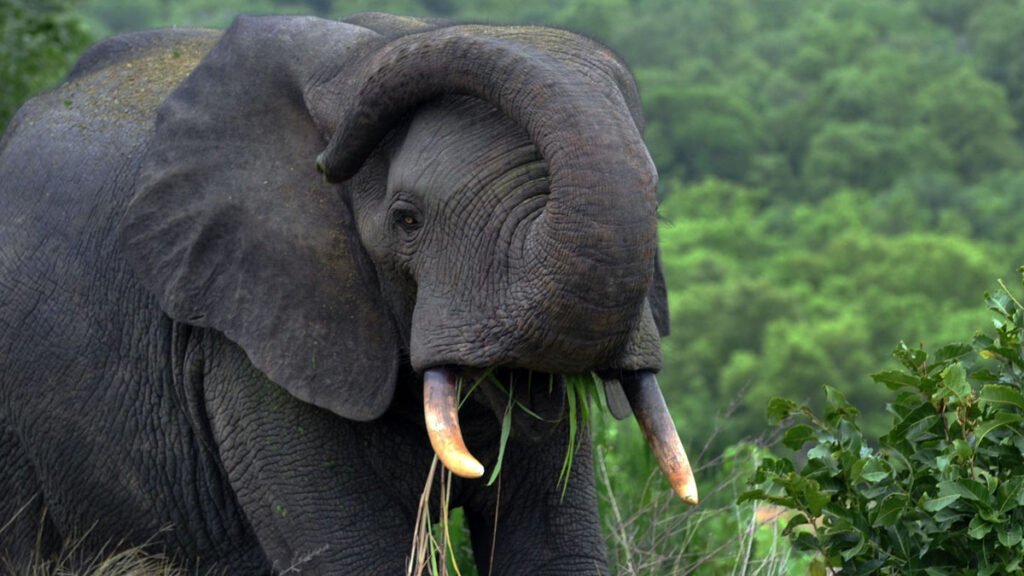
No exploration of the Savannah Region tourism would be complete without experiencing Mole National Park. It remains a crown jewel of Ghana’s wildlife destinations. Established in 1956, Mole is Ghana’s first and largest national Park. As Ghana’s most developed tourist site in terms of tourism facilities, it is also home to West Africa’s first luxury safari lodge, nestled in the heart of the Mole forest.
The Park is famous for its large elephant population, with visitors regularly encountering elephants as large as buses at close range. Beyond elephants, the Park is home to over 90 mammal species, including Buffalo, Warthogs, Waterbucks, Antelopes, Baboons, and even Lions. The Park also has over 350 bird species, making it a paradise for birdwatchers.
Unlike traditional African safaris, which keep visitors confined to vehicles, Mole offers walking safaris. That affords visitors a trek through the bush on foot and gets them surprisingly close to wildlife. For a more traditional experience, Jeep safaris are also available.
The Park is managed for its natural beauty with opportunities to visit nearby villages and experience traditional Gonja life, architecture, and crafts. Additionally, the Mognori Eco-Village on the Park’s periphery offers cultural immersion and eco-tourism activities for visitors. Nearby, the Kananto–Kabampe CREMA (Community Resource Management Area) spans lands between the Kenikeni Forest Reserve and Mole National Park, forming a vital ecological corridor that supports wildlife movement, sustains local livelihoods, and preserves the cultural relationship between communities and their environment.
Bui National Park
While often overshadowed by Mole, Bui National Park is another significant tourist destination in the Savannah Region. It is Ghana’s third-largest wildlife protected area. Located in a typical woodland savannah zone, the Park was established in 1971 as a natural habitat and sanctuary for hippopotamuses.
Visitors to Bui National Park can enjoy game viewing, birdwatching, hiking, and exploring natural attractions, including caves, mountains, and waterfalls. The Park’s hippo population is its main draw, though the Park is also home to antelopes, monkeys, and rare bird species.
Mognori Eco-Village
Located on the periphery of Mole National Park, the Mognori Eco-Village offers visitors an authentic community-based eco-tourism experience. Here, local residents have transformed their traditional knowledge of the land into a sustainable tourism enterprise, offering cultural tours, canoe rides, and nature walks. This model demonstrates how Savannah Region tourism can directly benefit local communities while promoting conservation.
Daboya Waterfall/Kparia Waterfall and White Volta River Confluence
The Savannah Region boasts several natural attractions beyond its national parks. The Daboya Waterfall offers a refreshing escape during the dry season, while the confluence where the Black Volta River merges with the White Volta River in the East Gonja municipality remains one of the region’s most spectacular but underdeveloped natural wonders.
Larabanga Mosque

Just a stone’s throw from Mole National Park lies the Larabanga Mosque, often called the “Mecca of West Africa”. Believed to have been built around 1421, it is the oldest mosque in Ghana and one of the oldest in West Africa. It has also been listed by the World Monuments Fund as one of the 100 Most Endangered Sites.
The mosque’s striking Sudano-Sahelian architecture is characterized by whitewashed mud-brick walls supported by wooden projecting beams (known as “flat-footed adobe architecture”). It has two tall towers in a pyramidal shape: one for the Mihrab (Qibla wall), which faces towards Makkah and forms the east facade, and the other, a Minaret from which the Muezzin calls to prayer.
The mosque holds deep spiritual significance. Local legend holds that the foundations of the mosque were laid by Allah, and the walls are partly Allah’s work, as every morning the workers found them higher than they had built. The mosque also houses a copy of the Qur’an almost as old as the structure itself.
The Larabanga Mosque remains an active place of worship, and visitors are advised to be respectful, dress modestly, and seek guidance from local elders before photographing.
The Larabanga Mystic Stone

Near the Larabanga Mosque lies another intriguing attraction: a mysterious stone that, according to local legend, returns to its original spot if moved. This “Mystic Stone” has become a popular stop for visitors, adding an element of local folklore and mysticism to Savannah Region tourism experiences.
Salaga Slave Market and Heritage Site
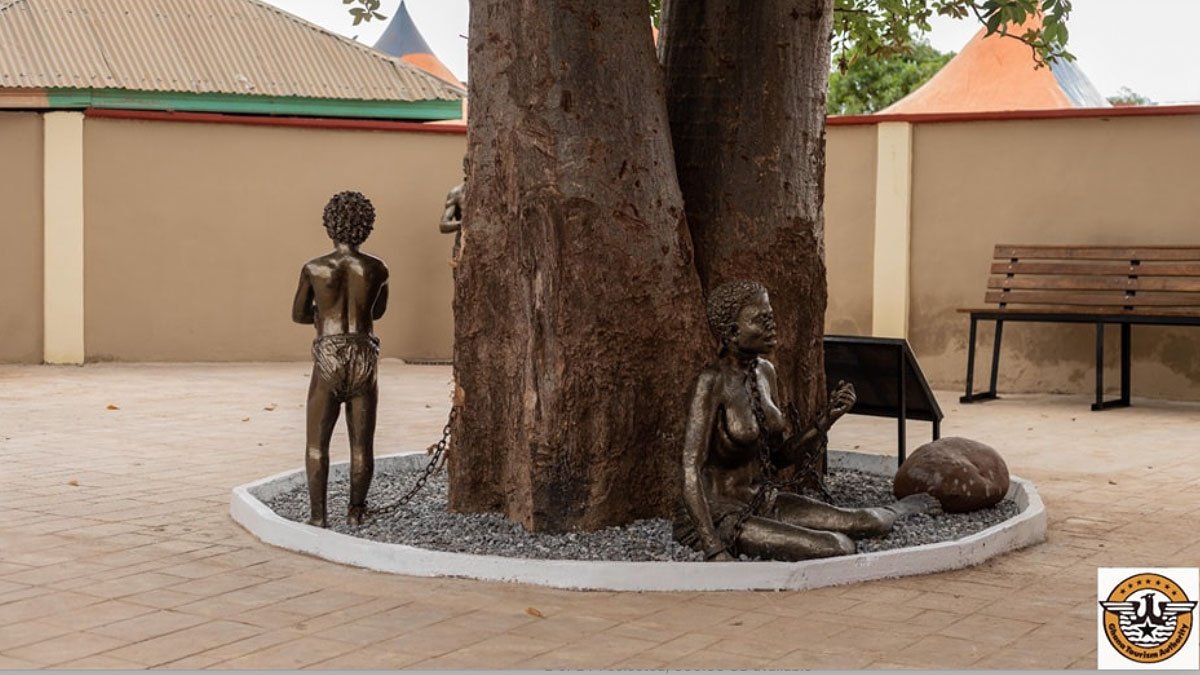
The Salaga Slave Market is arguably the most significant heritage site in the Savannah Region. It is also a destination of profound importance for those seeking to understand the full story of the trans-Atlantic and trans-Saharan slave trades. Located in Salaga, the capital of the East Gonja Municipality, this 18th-century slave market served as a crucial hub where enslaved people were brought and transported to the coast for export to European countries. It also served as an outpost for the movement of slaves along the Trans-Saharan routes.
The site was neglected for decades until a major rehabilitation effort was undertaken. In July 2024, the Ghana Tourism Authority (GTA) commissioned the newly refurbished Salaga slave market and the Salaga slave wells, transforming a neglected historic site into a top-class cultural and tourist destination.
The site now includes:
A Slave Market: refurbished with interpretive signage and memorial structures
The Slave Wells: where enslaved people were forced to drink before being marched south
A Slave Cemetery: a site for wreath-laying and remembrance
The Slave Bath: additional heritage structures for visitor exploration
The site is also the official launch location for PANAFEST and Emancipation Day celebrations, making it a pilgrimage destination for the African diaspora.
Ndewurajakpa Monument at Jakpa Palace, Damongo
Damongo, the capital of the Savannah Region, is home to the Jakpa Palace, the seat of the Yagbonwura, the King of the Gonja Kingdom. The Ndewurajakpa Monument at Jakpa Palace commemorates the legendary founder of the Gonja Kingdom. It serves as a focal point for cultural tourism in the region. The palace is also the venue for major traditional events, including the Grand Damba Durbar.
Yapei, Buipe Ports and Water Safari
The Savannah Region boasts significant water-based attractions along the Volta River system. The ports at Yepei and Buipe offer opportunities for water safaris, fishing expeditions, and cultural tours of riverine communities. These attractions remain largely underdeveloped but represent significant potential for eco-tourism and adventure tourism in the region.
Bunyanso Farms Agri-Tourism
In an innovative development for Savannah Region tourism, Bunyanso Farms Cashew Plantation has pioneered an agri-tourism model that blends farming, hospitality, and cultural tourism. Visitors enjoy cultural tours that celebrate the rich traditions, customs, and agricultural history of the Savannah Region, offering a deeper appreciation of the area’s heritage.
Gonja Traditional Cemetery at Mankuma
For visitors interested in the spiritual and traditional heritage of the Gonja people, the Gonja Traditional Cemetery at Mankuma offers a unique cultural experience. The cemetery is the burial ground for Gonja kings and members of the royal family.
Damba Festival
The Damba Festival is the largest and one of the most significant cultural celebrations in Ghana, observed by the people of the Northern, Savanna, North East, Upper East, and Upper West Regions. In the Savannah Region, the festival is celebrated annually by the Gonja people to commemorate the birth of Prophet Mohammed (S.A.W) and to promote unity, culture, and development.
The festival comprises three main sessions: Somo Damba, Naa Damba (King’s Damba), and Belkulsi (farewell procession). Traditional activities include the Arrival, Picking of Stones from Rice, Slaughtering of the Bull, the overnight Damba, and the Grand Damba Durbar.
In recent years, Damba has become a multinational festival, attracting visitors from around the world. The Grand Damba Durbar at the historic Jakpa Palace in Damongo brings together distinguished guests, paramount chiefs, queen mothers, and invited guests.
The Struggles Facing Savannah Region Tourism
Despite its wealth of attractions, the Savannah Region tourism faces formidable challenges that have prevented it from reaching its full potential.
Inadequate Infrastructure
The most devastating obstacle to Savannah Region tourism is the deplorable state of critical road infrastructure. Beyond roads, the regional capital, Damongo, suffers from inadequate street lighting.
Data Gaps and Regional Invisibility
Savannah Region tourism suffers from a profound lack of visibility in national tourism data and planning. The 2024 Tourism Report presented aggregate national figures. Still, it failed to disaggregate data by region, particularly in under-promoted areas like the Savannah Region. This lack of regional data makes it difficult to attract investment and guide policy.
Limited Domestic Tourism Awareness
Many residents of the Savannah Region are unaware of the tourism potential in their own communities. A 2022 national survey on tourist and citizen satisfaction with tourism sites found that directional signage and accessible roads to tourist sites across Ghana were rated “low.”
Chieftaincy Conflicts and Security Concerns
The Savannah Region has experienced periodic chieftaincy conflicts that can disrupt tourism activities. The GTA CEO has called for peace in Gonjaland to drive development, emphasizing that peace is the only way the area will attract investors and diaspora members to invest in its development.
Environmental Threats
Climate change poses a severe and growing threat to the Savannah Region tourism attractions. Water levels in natural ponds drop sharply during long dry seasons, affecting wildlife viewing at Mole National Park and other natural sites.
Limited Private Sector Investment
Despite the region’s potential, private-sector investment in Savannah Region tourism remains limited. The GTA has called on Ghanaians in the diaspora and other investors to partner with local authorities to unlock tourism opportunities in the region.
How the Savannah Region Tourism Can Thrive
Despite the numerous challenges, there is genuine cause for optimism about the future of Savannah Region tourism. By implementing strategic initiatives, stakeholders can transform the region into a premier tourist destination.
Conclusion
The Savannah Region tourism sector stands at a critical crossroads, poised between extraordinary potential and formidable challenges. Its attractions, from the mighty elephants of Mole National Park to the ancient walls of the Larabanga Mosque, from the solemn history of Salaga to the cultural richness of the Damba Festival, offer visitors experiences found nowhere else on earth.
Yet these treasures remain under threat from infrastructure deficits and fragmented investment approaches that have left key sites, such as Bui National Park, underdeveloped.
The path forward for Savannah Region tourism requires vision, collaboration, and sustained commitment. The rehabilitation of the Wa-Bole-Techiman Road must be prioritized to reconnect the region to the national economy. Comprehensive proposals that document the region’s diverse tourism potential will attract the investment needed for site development. Community-led models like the Mognori Eco-Village and the Kananto–Kabampe CREMA demonstrate the power of local stewardship for sustainable tourism. Strategic investment in Mole National Park and Bui National Park will unlock the full potential of the region’s wildlife assets. And initiatives like the Green Legacy Tour show that engaging youth and communities in environmental stewardship can build a foundation for sustainable tourism growth.
For the visitor, the Savannah Region offers a journey into the authentic heart of Ghana. In this place, ancient traditions continue to shape daily life. By choosing to explore this remarkable corner of Ghana, travellers not only enrich their own lives but also contribute to a future in which the treasures of the Savannah Region tourism are protected, celebrated, and shared with the world.