Thesavanna Features
Gurune: The Language of the Frafra People of Ghana
If you were greeted with this warm question in the bustling markets of Bolgatanga or the serene compounds of Bongo, you’d be hearing the heartbeat of the Upper East Region—the Gurune language. Often called Frafra by outsiders, Gurune is far more than a means of communication; it is the living archive of a people, the melody of their folklore, and the resilient thread weaving together community, history, and identity.


La ani ŋwani? (How are you?)
If you were greeted with this warm question in the bustling markets of Bolgatanga or the serene compounds of Bongo, you’d be hearing the heartbeat of the Upper East Region—the Gurune language. Often called Frafra by outsiders, Gurune is far more than a means of communication; it is the living archive of a people, the melody of their folklore, and the resilient thread weaving together community, history, and identity.
This guide is a gateway to understanding Gurune. We’ll clarify its proper name, share essential phrases, and celebrate its profound role in culture. Whether you are reconnecting with roots, an avid linguist, or a curious traveler, welcome. Let’s explore the language that echoes across the savanna.


Table of Contents
Gurune or Frafra? Unraveling the Name
If you’ve encountered the name “Frafra,” you’re not wrong, but there’s a deeper story. Understanding the distinction is your first step into this world.
Gurune (The Endonym): This is what the language and its people call themselves. “Gurune” (pronounced Goo-roo-neh) is the authentic, insider’s term. Linguists use this name to classify it within the larger Gur (or Mabia) language family, linking it to siblings like Moore and Dagbani. To speak of Gurune is to speak with precision and respect for the community’s own identity.
Frafra (The Exonym): The term “Frafra” originated from colonial encounters and is widely used in southern Ghana and in casual reference. It is said to derive from the common greeting exchanges: “Fa fare fare?” meaning “How is your suffering?” or “How is your hardship?”—a reflection of the region’s harsh climate and the people’s resilience. While not offensive, it is an outsider’s label.
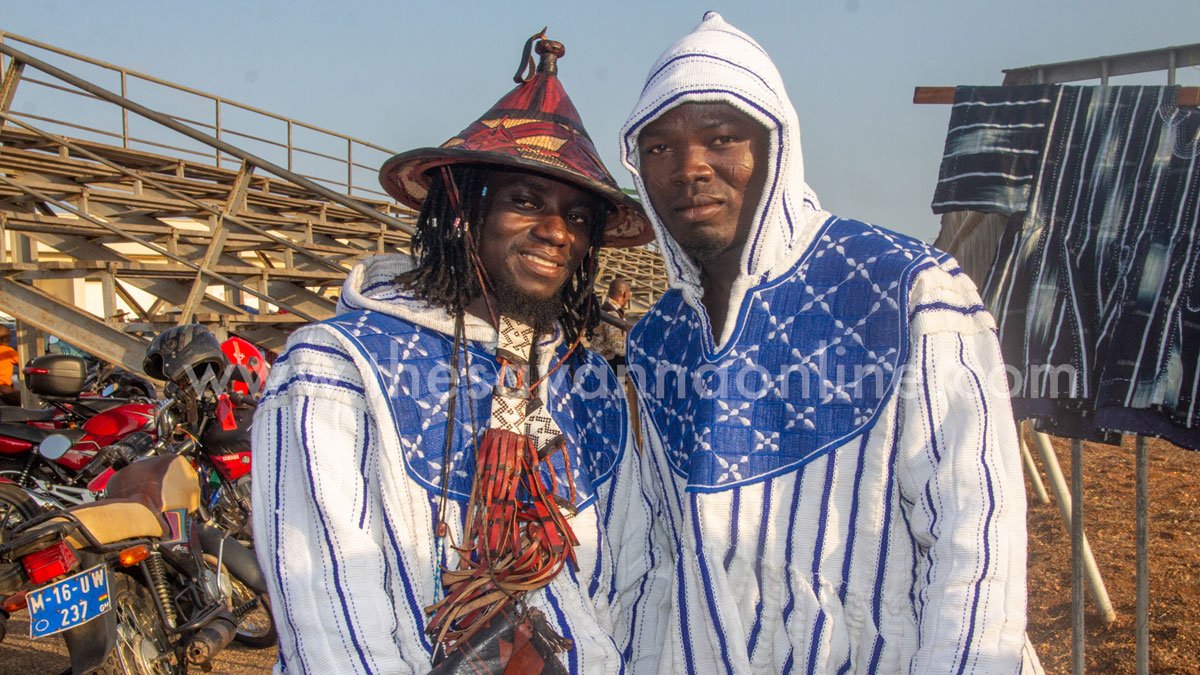
The People and the Land: The speakers are primarily found in the Upper East Region of Ghana, centered on Bolgatanga and extending to areas such as Bongo, Talensi, Nabdam, and Kassena-Nankana. They are renowned farmers, master potters, and weavers of the famous Bolga baskets. Their language is intrinsically tied to this landscape—its rhythms mirroring the savanna’s seasonal cycles.
In a nutshell: Think of it this way: Gurune is what you call the language when you’re part of the conversation. Frafra is how the language has been historically recognized from the outside. In this article, we honor the community’s voice by using Gurune.
The Linguistic Tapestry of Gurune
To truly appreciate the language, one must listen to its distinct musicality and understand its logical foundation. This isn’t just a “dialect”; it’s a complex, rule-governed language with features that fascinate linguists and charm learners.

The language is a proud member of the Gur language family (also called Mabia), a significant branch of the Niger-Congo phylum spoken across West Africa’s Sahel region. Its closest linguistic relatives include Moore (Mòoré), spoken in Burkina Faso, and Dagbani, spoken in Northern Ghana. This familial link explains historical and cultural connections across modern borders.
The Cultural Heartbeat: Where Gurune Thrives
Language is the skin of a culture. For the people, their language is the very medium through which wisdom is preserved, relationships are forged, and identity is performed.
Gurune’s vocabulary offers a precise map of the people’s world, with specific terms for soil types, intricate kinship relations, and spiritual concepts, reflecting an integrated worldview.
Navigating Modernity:
No language exists in a vacuum. Gurune faces a complex landscape of pressure and preservation. However, it remains robust in its rural heartland but faces challenges: The official status of English and the influence of Hausa and Akan in trade and media.
Also, movement to cities can lead to a language shift in younger generations.
Lastly, scarcity of Gurune in digital spaces threatens its relevance for youth.
The Guardians of the Word: Preservation Efforts
The story is one of active resilience, to preserve the language, many concerted efforts are at play. Local radio and cultural groups document and promote the language through various the mediums available to them. Churches and other religious organisations continue to incorporate the languages in hymns and liturgy, giving it a modern platform. While on the academic and digital front, Linguists are standardizing orthography, while social media groups and YouTube channels represent budding digital adaptation. AI applications like Khaya AI is also playing a central role in ensuring African languages like survive.
The future of this language hinges on conscious choice—speaking it at home, creating new art with it, and integrating it into technology. Supporting the language is support for cultural diversity itself.
We began with a simple greeting— La ani ŋwani? (How are you?)and journeyed through the soul and future of a remarkable language. Gurune is the spoken identity of a resilient people.
Your Next Steps:
Listen: Seek out Gurune music or radio online.
Practice: As you learn, speak the language as well.
Explore Deeply: This story is part of a larger tapestry. Learn about the vibrant industries found within the unique socio-cultural setting of the Gurune.