Culture & Heritage
North East Region Tourism: Unearthing Ghana’s Forgotten Kingdom
The North East Region isn’t just another dot on the map—it’s the cradle of an empire. In this land, 14th‑century kings built walls to outsmart slave raiders. Mysterious terracotta figurines whisper secrets of a lost civilization.

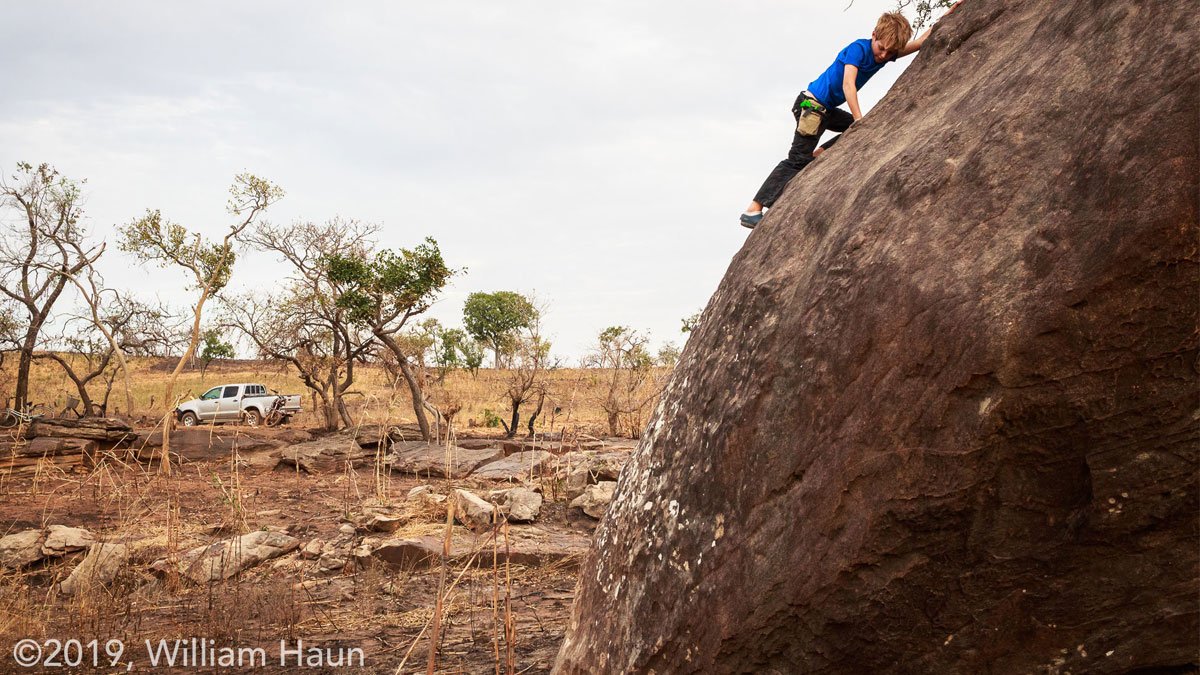
North East Region Tourism is not just another addition to attractions in Ghana. Forget what you think you know about northern Ghana. The North East Region isn’t just another dot on the map—it’s the cradle of an empire. In this land, 14th‑century kings built walls to outsmart slave raiders. Mysterious terracotta figurines whisper secrets of a lost civilization. And the Gambaga Escarpment drops dramatically into an endless savannah. Carved out of the Northern Region in 2018, this is Ghana’s newest land for adventure and heritage tourism. It’s been patiently waiting for you to discover it.
This article continues our series on tourism in the north of Ghana. We’ve already explored the Upper East, the Upper West, and the Savannah Region. Now we turn North East Region Tourism.
Why North East Region Tourism Matters
Tourism here isn’t just about snapping photos; it’s about breathing life into a region that has long been overlooked. For the people of the North East, every visitor means a job for a young guide, a sale for a craftswoman, and a reason to preserve a crumbling wall instead of letting it fade into the dust. When you walk through the Nayiri Palace or stand before the Nalerigu Defense Wall, you’re not just seeing history, you’re helping to keep it alive. And that’s the real power of North East Region tourism.
7 Wonders of the North East Region
Let’s cut straight to the treasures you came here for. These seven wonders are the heartbeat of the North East Region Tourism. Each one unique, unforgettable, and waiting to be explored.
| # | Wonders of North East Region Tourism | Why You’ll Love it |
| 1. | Nayiri Palace | A living royal court where the Overlord of the Mamprusi people still hold sway. Walk the grounds, see the regalia, and feel centuries of power. |
| 2. | Nalerigu Defence Wall | A 16th‑century stone‑and‑mud wall built to resist slave raiders. It’s a powerful, quiet monument to resistance. |
| 3. | Ancient Koma Figurines | Terracotta masterpieces from a lost civilisation. Found only at Yikpabongo, they’re Ghana’s own archaeological mystery. |
| 4. | Ancient Rock Art | Petroglyphs carved thousands of years ago at Gingana, Kpatiritinga, Jilik, and Tusugu. Pre‑history etched in stone. |
| 5. | Gambaga Escarpment | A dramatic cliff edge with sweeping savannah views. Atop it lie royal graves and a sacred crocodile pond. |
| 6. | Napanduri Escarpment & Waterfalls | Seasonal waterfalls and rugged cliffs in a remote, untouched landscape. Perfect for hikers and photographers. |
| 7. | Sacred Crocodile Pond (Gambaga) | A less‑touristed, deeply spiritual site where crocodiles are protected as honoured ancestors. |
Each of these wonders is exclusive to the North East Region. You won’t find them anywhere else in Ghana.
A Closer Look at the Wonders of North East Region Tourism
Nayiri Palace: Where Kings Still Rule
Nalerigu, the regional capital, holds a secret that most Ghanaians have never witnessed: the Nayiri Palace, home to the Overlord of the Mamprugu Traditional Area. This isn’t a dusty relic—it’s a living, breathing royal court where the Nayiri still holds sway over a kingdom that predates colonialism. Guided tours take you through the palace grounds, where you can see royal regalia, hear the epic story of Naa Gbewaa (the ancestor of the Mole‑Dagbon people), and maybe even catch a glimpse of the king’s procession. The palace is also the stage for the grand Damba Festival, when the whole region erupts in drumming and horsemanship. This is a major stop when accessing North East Region Tourism.
Nalerigu Defense Wall: A 16th‑Century Stand Against Slavery
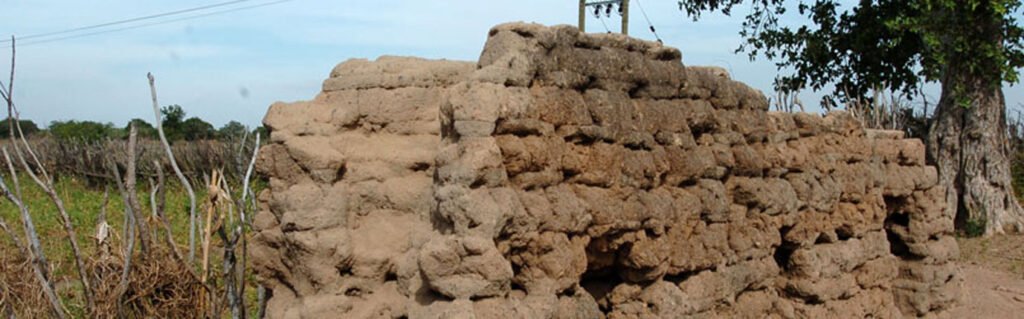
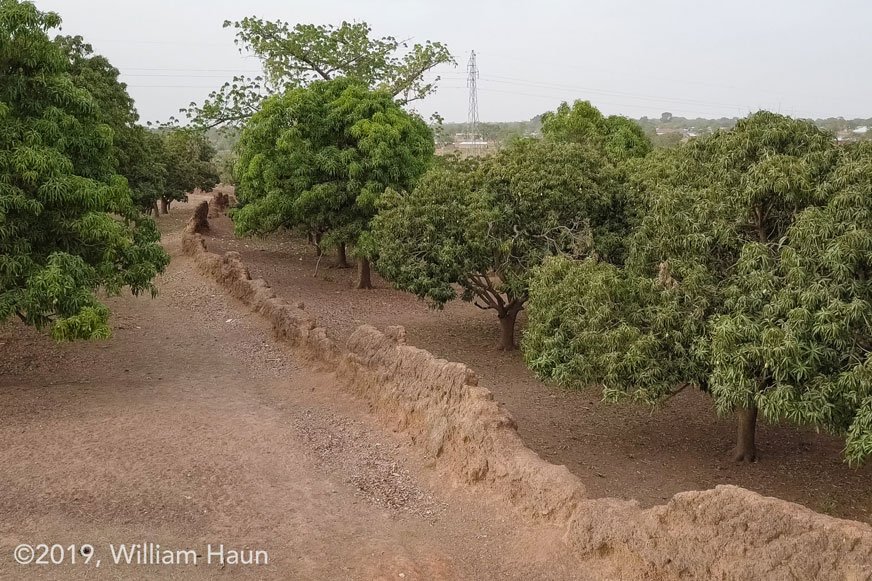
Long before the castles of Cape Coast, the people of Nalerigu built their own defense. The Naa Jeringa Wall, made of stone and mud, once encircled the entire town, blocking slave raiders who came along the routes between Ouagadougou and Djenne. Today, sections of the wall still stand, a quiet but powerful monument to resistance. Here, North East Region Tourism takes you to the era where several ethnic groups braved odds to repel slave raiders.
The Koma Figurines of Yikpabongo: Ghana’s Own Terracotta Mystery
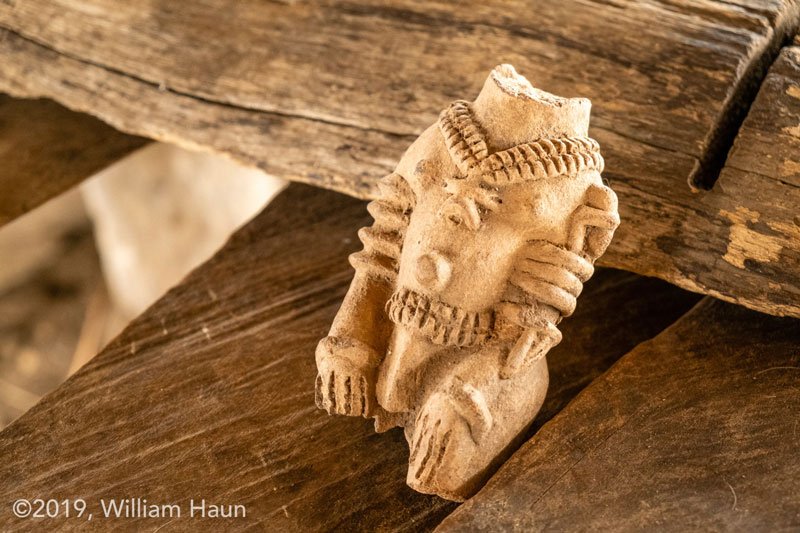
If you’ve never heard of the Koma figurines, you’re not alone. These ancient terracotta sculptures were unearthed near Yikpabongo and have been compared to Nigeria’s famous Nok culture. They date back hundreds of years, yet their exact purpose remains a puzzle. A visit to the site lets you see where they were found and learn about the archaeologists who are still piecing together their story. It’s one of the most unique archaeological experiences in West Africa. North East Region Tourism presents this unique insight into a past that suggested advancement.
Ancient Rock Art at Gingana, Kpatiritinga, Jilik & Tusugu
Hidden in the region’s rocky outcrops are petroglyphs carved by hands that lived thousands of years before the Mamprusi kingdom. These rock art sites offer a rare glimpse into the prehistoric soul of northern Ghana. Getting there requires a guide and a sense of adventure, but the reward is a connection to a time so distant it feels almost mythical as a part of North East Region Tourism.
Gambaga Escarpment: The Roof of the North East
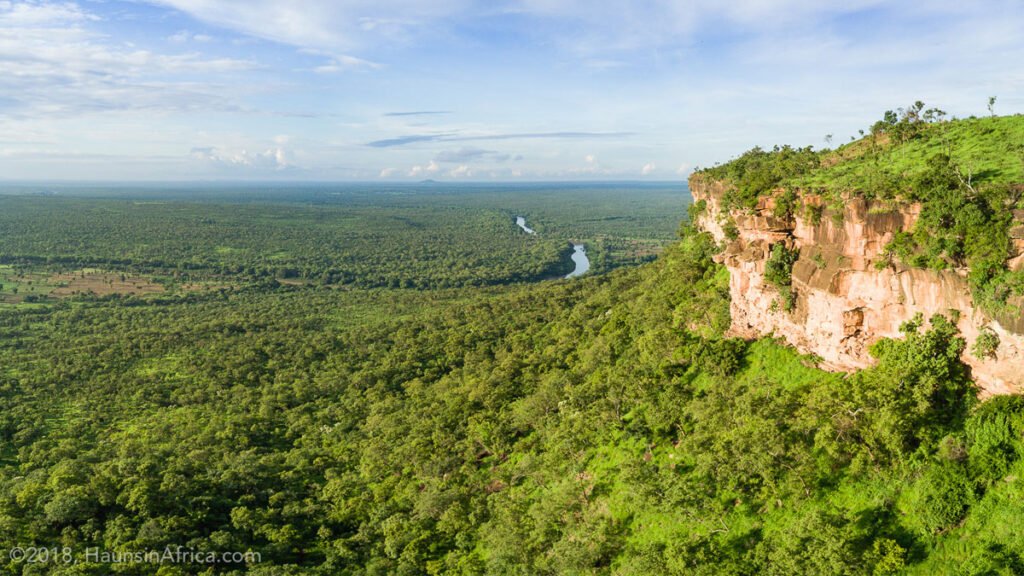
The road to Gambaga climbs steadily until suddenly the world falls away. The Gambaga Escarpment offers sweeping views across the savannah that will make you pull over just to stare. The historic town of Gambaga sits on the edge of the escarpment. It is home to the graves of ancient Mamprusi and Mossi kings, as well as a sacred crocodile pond where the reptiles are treated as honored ancestors. Unlike the more commercialized Paga pond, here you’ll share the experience with only a handful of other visitors. This is arguably the most popular attraction in North East Region Tourism.
Napanduri Escarpment & Waterfalls
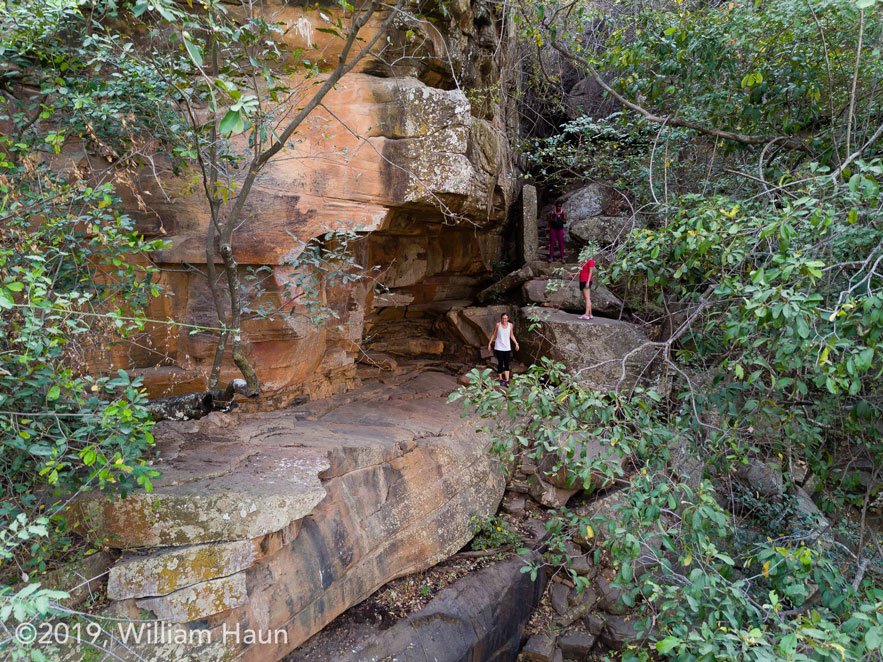
Deep in the Bunkpurugu‑Nyankpanduri District, the Napanduri Escarpment hides seasonal waterfalls that roar to life after the rains. The cliffs are dramatic, the pools are cool, and the surrounding landscape feels untouched by the modern world. It’s a paradise for hikers and photographers who don’t mind getting their boots dirty. Here, North East Region Tourism presents yet another scenic view worth exploring.
Sacred Crocodile Pond, Gambaga
While the Paga pond gets all the fame, Gambaga’s sacred crocodile pond offers a quieter, more intimate encounter. The reptiles here are considered totems of the local community, and harming them is taboo. You can observe them basking in the sun, learn about the traditional beliefs that protect them, and enjoy the serenity of a site that feels undiscovered.
White Volta & Red Volta Rivers
Though not among the “seven wonders,” the White Volta and Red Volta rivers snake through the region, providing life, transport, and scenery. Adventurous travelers can arrange canoe trips or simply enjoy a picnic on their sandy banks. In the future, these waterways could become the spine of a new eco‑tourism circuit.
Festivals That Explode With Color
Time your visit right, and you’ll witness celebrations that have no equal:
Damba Festival: – A multi‑day spectacle of drumming, dancing, and horse parades at the Nayiri Palace. It’s the region’s biggest event, drawing chiefs and visitors from across Ghana.
Bugum (Fire) Festival: Torch‑lit processions that commemorate a legendary search for a lost child. The night glows with fire and energy.
Harvest Festivals: Smaller, community‑based events where farm produce is blessed, and traditional music fills the air.
The Hard Truth about the Region and North East Region Tourism
Let’s be honest, getting to the North East Region isn’t easy, and that’s part of why it feels so undiscovered. But the obstacles are real.
Roads That Test Your Patience
The N2 highway is paved, but the feeder roads to Yikpabongo, the rock art sites, and the Napanduri waterfalls can turn into rutted nightmares during the rainy season. From November to March, they’re manageable with a 4×4; the rest of the year, some sites become completely cut off.
Where to Sleep?
Accommodation is the region’s Achilles’ heel. Nalerigu has a few basic guesthouses, Gambaga offers very simple lodgings, and beyond that… there’s almost nothing. No luxury lodges, no mid‑range hotels, no eco‑resorts. Most visitors day‑trip from Tamale, which limits their time and spending.
North East Region Tourism is Invisible on the National Map
The 2024 Tourism Report lumped all northern regions together, so there’s almost no data on how many people visit the North East. Without numbers, it’s hard to attract investors or convince the government to fund new roads and visitor centers.
Conflicts That Scare Off Tourists
The long‑running Bawku conflict occasionally spills over from the Upper East, and tensions between Konkomba and Mamprusi communities have flared in some districts. While the region is generally safe, perceptions of instability keep many potential visitors away.
Climate Change Is Taking a Toll
The Gambaga Escarpment faces annual bushfires that char its slopes. The Napanduri waterfalls flow less reliably as rainfall patterns shift. And the sacred crocodile pond at Gambaga shrinks during prolonged droughts, threatening both the reptiles and the tradition that protects them.
How to Turn the North East Into a Tourism Powerhouse
The potential is enormous, but it will take smart, sustained effort. Here’s what needs to happen.
Fix the Feeder Roads First
The government should prioritize upgrading roads to Yikpabongo (for the Koma figurines), to the rock art sites, and to the Napanduri escarpment. Even simple gravel improvements would make these sites accessible year‑round. A small airstrip at Nalerigu could also open the region to charter flights.
Build Places to Stay
Investors should look at Nalerigu for a mid‑range hotel with conference facilities. The Gambaga Escarpment is perfect for an eco‑lodge with panoramic views. And homestay programs in villages like Yikpabongo would let travelers sleep under thatched roofs and eat with local families.
Give the Koma Figurines a Proper Home
The figurines are a world‑class archaeological treasure, but they lack a proper museum. A small interpretative center at Yikpabongo—with replicas, exhibits, and a shop—would turn a remote site into a destination.
Train Local Guides & Empower Communities
Follow the Pikworo Slave Camp model: create local management committees, train youth as certified guides, and ensure entrance fees stay in the community. People protect what benefits them.
Market the Hell Out of It
The North East Region needs a dedicated social media campaign. Stunning photos of the escarpment, videos of the Damba Festival, and stories of the Koma figurines can go viral if packaged well. Partner with travel bloggers and organize press trips.
Use Festivals as Anchors
The Damba Festival already attracts visitors—but it could attract many more. Package the festival with guided tours of the palace, the defense wall, and the escarpment. Create a fixed calendar so travelers can plan a year in advance.
Final Word
The North East Region isn’t trying to be another Mole National Park or a clone of the Paga crocodile ponds. It has its own voice—quiet, ancient, and stubbornly proud. The Nayiri Palace still hosts kings, the defense wall still tells its story, and the Koma figurines still wait for someone to decode their mystery.
Yes, the roads are rough, and there are few hotels. But that’s exactly why you should go now—before the crowds find it, before the lodges are built, before it becomes “discovered.” Come for the history, stay for the escarpment views, and leave knowing you’ve seen a Ghana that most Ghanaians never will. North East Region Tourism has a potential, and it’s time to explore it.