Culture & Heritage
10 Things You Didn’t Know About Northern Region Tourism (And Why You’re Missing Out)

Let’s cut the polite travelogue and delve into Northern Region tourism. The Northern Region of Ghana isn’t “quaint” or “charming”. It is a place where kings still wield power from palaces older than your country. It is where an abandoned train has become a work of art. And where you can bargain for a hand‑sewn leather bag in a tannery with no signboard. Most tourists fly into Tamale, sleep at a guesthouse, and rush off to Mole National Park. That’s like visiting Paris and only seeing the airport.
This article is the final installment of our northern Ghana tourism series. We’ve explored the sacred crocodiles of the Upper East, the community‑run hippos of the Upper West, the wild elephants of the savannah, and the ancient figurines of the North East. Now we’re going to the Northern Region, the heart of the Dagbon Kingdom and the gateway to the north of Ghana. Arguably, one of the most misunderstood destinations in the country.
Note: Mole National Park straddles the border with the Savannah Region. Still, its main access point is Tamale, so we included it here. Everything else—Yendi, Saakpuli, the Red Clay Studio, the Zongo tannery—belongs exclusively to the Northern Region.

The 10 Things That Will Make You Reroute Your Flight for Northern Region tourism
1. You Can Walk With Elephants (No Jeep Required) – Northern Region tourism
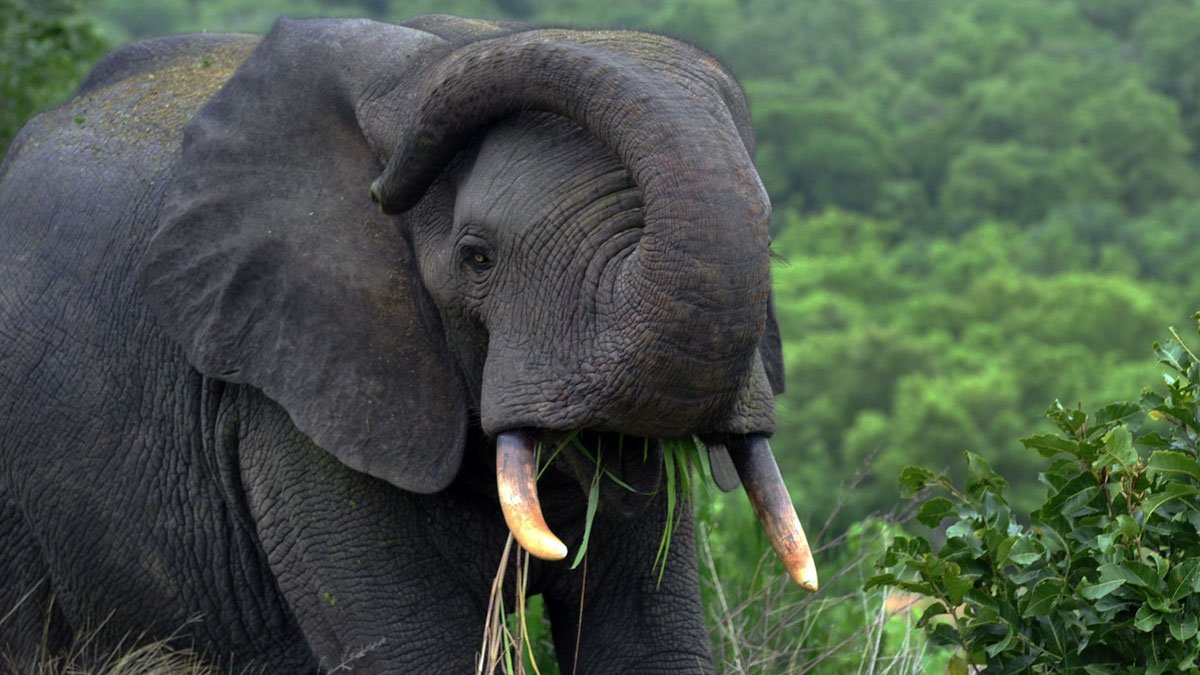
At Mole National Park, you don’t sit in a vehicle while animals stare at you from a distance. You walk. An armed ranger leads you through open savannah, and you might find yourself thirty meters from a herd of elephants. They’re used to humans, but they’re not tame. The feeling of watching a three‑ton animal graze. At the same time, standing on your own two feet is something no safari in East Africa can give you—because there, you’d be locked in a Land Cruiser.
Insider tip: Go at dawn. The elephants come to the watering hole in front of the lodge, and you can watch them from the pool deck. Yes, the pool deck. Zaina Lodge is West Africa’s first luxury safari lodge, and its infinity pool overlooks the main elephant hangout.
2. There’s a Slave Market Nobody Talks About
Everyone knows Salaga. But Saakpuli? It’s a village in the Savelugu Municipality where a massive baobab tree still stands over the site of a 17th‑century slave market. People were shackled here before being marched south to the coast. Today, there’s no museum, no gift shop, no paved road—just the tree and the silence. Locals want it developed, but they’re terrified of turning pain into a theme park. Visit now, and you’ll have the place to yourself. Bring a guide; there’s no signage.
3. A Living King Rules From a Palace Older Than the USA
The Ya‑Na of the Dagbon Kingdom doesn’t live in a museum. He lives in the Gbewaa Palace in Yendi, which has been the seat of power for over 500 years. You can tour the palace grounds, see royal regalia that predates colonialism, and hear the story of Naa Gbewaa—the ancestor of millions of people across northern Ghana and beyond. The palace is not a tourist prop. It’s a working government. Be respectful, dress modestly, and don’t point your camera at the king unless you’ve asked. Remember, you are exploring Northern Region Tourism.
4. An Abandoned Train Became a Masterpiece
Ibrahim Mahama’s Red Clay Studio is not an art gallery. It’s a sprawling campus of handmade brick buildings where you’ll find a full‑sized train, a decommissioned aircraft, a “ghost parliament”, and a classroom filled with old blackboards from across Ghana. Mahama’s work has been shown at the Venice Biennale and the Tate Modern. Here, in Tamale, he’s building a space that combines art, technology, and community. You can take a workshop in robotics, then walk outside and see a Soviet‑era jet. There’s nothing else like it in West Africa.
5. You Can Buy a Leather Bag From a Tannery That Has No Sign
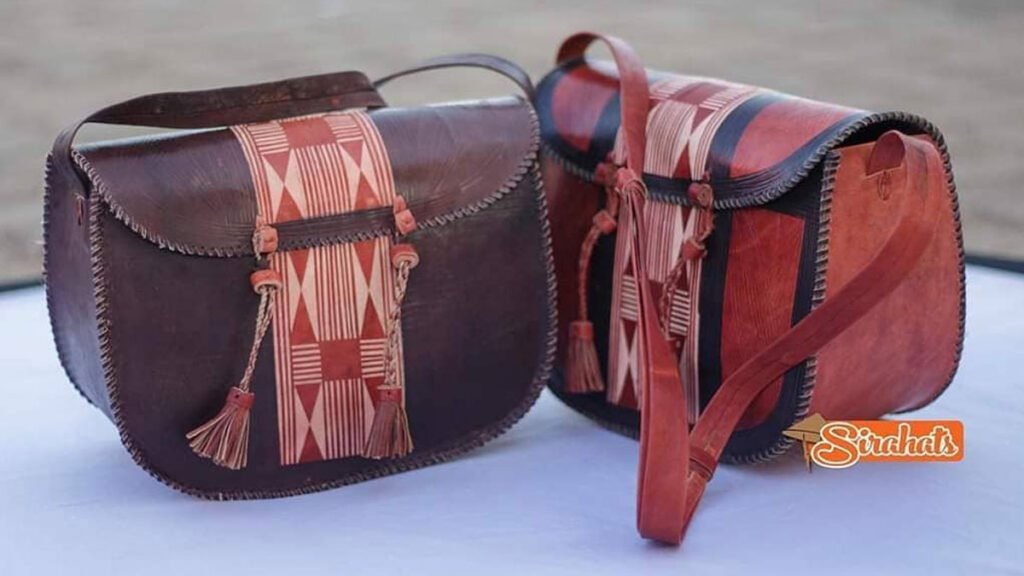
Northern Region Tourism is incomplete with the artisans. The Zongo Leather Tannery near the Dakpema Chief Palace is a treasure hidden in plain sight. For generations, artisans have soaked hides in ash, scraped them by hand, dyed them with plant extracts, and softened them over rocks. They produce sandals, bags, belts, and hats that are sold locally and abroad. But the tannery operates from abandoned structures with no clear signage. A tourism enthusiast recently called on traditional leaders to save it, warning that losing it would be a cultural catastrophe. Go before it disappears—or before it gets discovered and becomes overpriced.
6. You Can Stand on the Line That Divides East and West
An exclusive thrill on Northern Region tourism quest is in Yendi. The Greenwich Meridian runs through Yendi. You can stand with one foot in the eastern hemisphere and the other in the west. There’s no monument, no ticket booth, no crowd. Just an invisible line and the satisfaction of being at zero degrees longitude. Educational? Yes. But also, weirdly poetic. The GTA wants to develop it into a proper site. Right now, it’s just a spot on a map—and that’s exactly why you’ll love it.
7. A Fire Festival That Will Burn Your Expectations
The Bugum (Fire) Festival is not a polite cultural display. Thousands of people march through the streets at night carrying blazing torches made of dry grass. Drummers pound rhythms that vibrate in your chest. The story goes that a child of Naa Gbewaa got lost in the forest, and the community searched with torches until they found him. Now, every year, they relight the night. It’s loud, chaotic, and unforgettable. Most tourists never see it because it’s not on the standard itinerary. Put it on yours.
8. A Smock Market Where Every Pattern Is a Secret Language
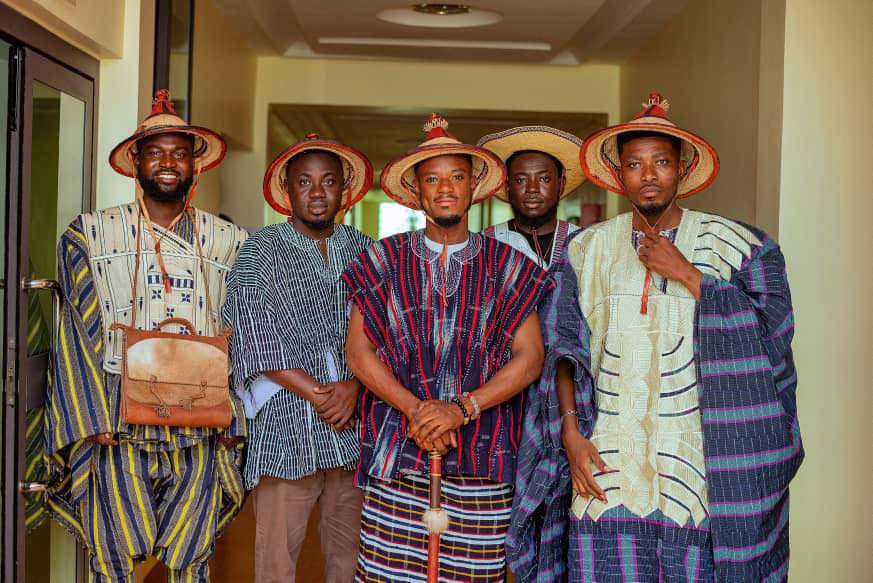
Gushegu is the heart of northern Ghana’s textile industry. The hand‑woven smocks (fugu) are not just clothing. Different patterns and colors represent different clans, historical events, or even warnings. A warrior’s smock might have a zigzag pattern to confuse enemies. A chief’s smock might use indigo to signify royalty. The GTA has announced plans to revamp the Gushegu Smock Market and create a “smock village” in Yendi. Until then, you’re bargaining with artisans who learned their craft from their grandparents.
9. The Cultural Center Is a Million Crafts Under One Roof
The Tamale Cultural Center is not a dusty museum. It’s a living, breathing crafts village where you can watch leatherworkers, beadmakers, and smock weavers at work. You can buy direct, haggle without guilt, and walk out with something that wasn’t mass‑produced in a factory 6,000 kilometers away. The center also hosts traditional dance performances and storytelling sessions. It’s wheelchair‑accessible, which is rare in this part of the world, and it’s one of the few sites where you can spend an entire day without getting bored.
10. The Real Northern Region Is Not a Stopover
Most people fly into Tamale, stay one night, and drive to Mole. They never see Yendi. Neither do they ever walk through the Zongo tannery. They never stand on the Greenwich Meridian or watch the Bugum fire procession. They leave thinking the Northern Region is just a gateway. It’s not. It’s the destination. The roads are rough, the data is thin, and the hotels are of varied tastes. But that’s the point. You’re not a tourist here. You’re an explorer. And explorers don’t follow the crowd—they create the path.
Why This Matters (And Why You Should Care)
The 2024 Tourism Report lumped all northern regions together. No data on how many people visit Yendi or Saakpuli. No figures on how much money stays in local communities. The report was called “incomplete and overly generalized” by a leading analyst. That’s a polite way of saying: the north is invisible to the people who make decisions.
But tourism is the third‑largest contributor to Ghana’s economy after cocoa and gold. Every visitor who buys a leather bag at Zongo puts food on the table. Every tourist who stays an extra night in Tamale creates work for a driver, a vendor, and a guide. When you visit the Northern Region, you’re not just seeing sights. You’re funding a future.
How You Can Help (Just by Showing Up)
1. Stay longer. Don’t just transit through Tamale. Spend a day at the Cultural Center, a day at Red Clay, and a day in Yendi.
2. Hire local guides. They know the stories, the shortcuts, and the sacred spots.
3. Buy direct. The leather bag you buy at Zongo is of better quality and cheaper than anything in Accra.
4. Share your trip. Post photos, tag the sites, and tell your friends. Word of mouth is the only marketing the north has.
5. Be patient. The roads are bad, the internet is spotty, and the festival dates shift with the lunar calendar. That’s not incompetence. That’s real life.
From us at thesavannaonline
The Northern Region is not polished. It’s not easy. It’s not for people who want everything handed to them. But it is real. You will walk beside elephants, stand on the line that divides the world. You will watch fire festivals that have been burning for centuries. And you will leave with a story that no one else can tell. That’s not tourism. That’s an adventure. Book your flight. Pack your boots. The north is waiting.