Culture & Heritage
Akantigsi Afoko: A Pillar of Northern Representation in Ghana’s Early Parliament
Discover the life and legacy of Akantigsi Afoko, a Ghanaian educationist and politician who served in parliament from 1951 to 1966. Learn about his role in representing the Northern Territories, his political journey between the CPP and Northern People’s Party, and his lasting impact on Ghana’s political history.

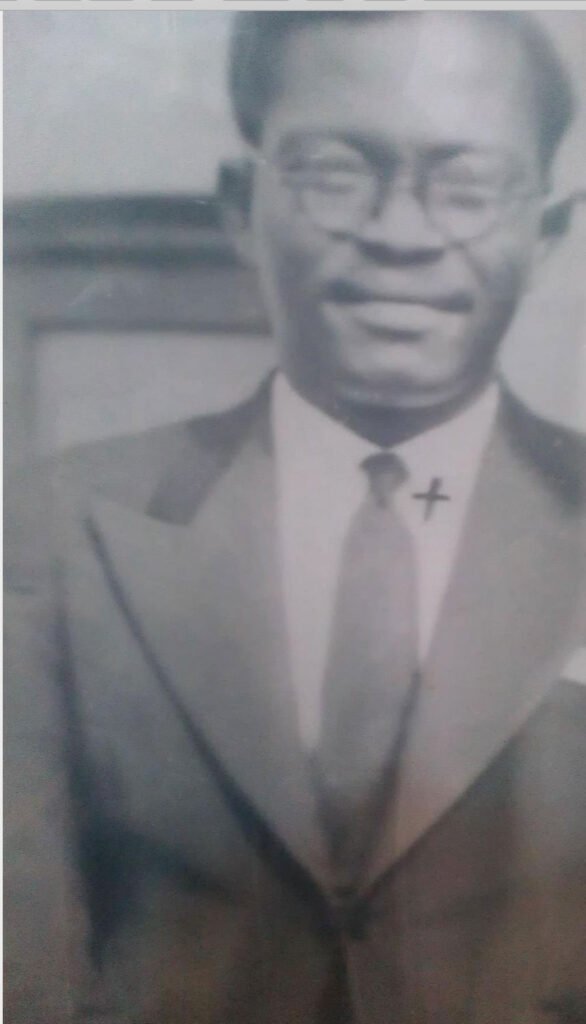
Akantigsi Afoko (1923 – 1992) stands as one of the foundational political figures from Northern Ghana. His career in public service spanned the transition from colonial rule to independence. As a teacher, legislator, and representative of the Builsa and Sandema constituencies, Akantigsi Afoko played a significant role. Ensuring northern representation during Ghana’s formative years as a nation. His legacy continues through his family and his contributions to the educational and political development of the Upper East Region.
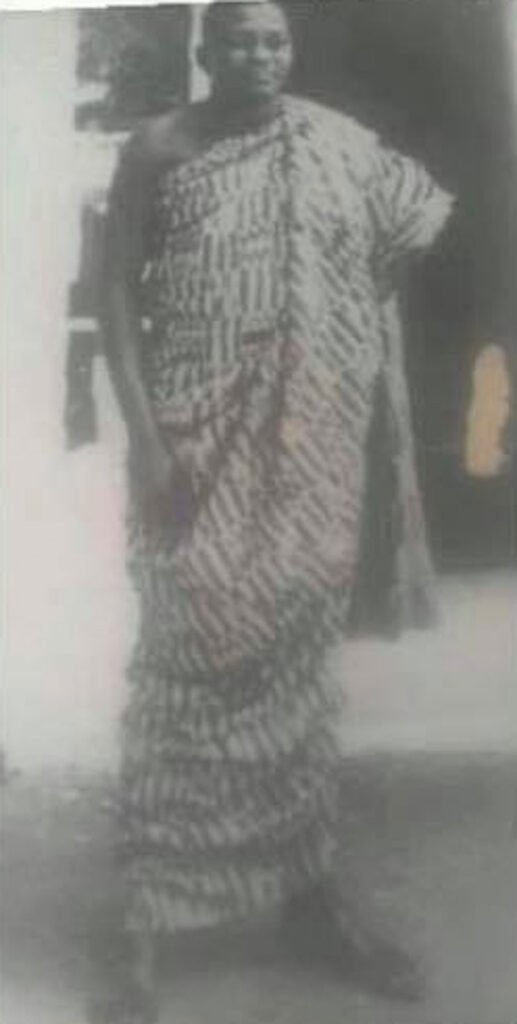
Table of contents
The Early Life and Education of Akantigsi Afoko
Akantigsi Afoko was born in 1923 at Sandema. That was in the then Northern Territories of the Gold Coast, now part of the Upper East Region of Ghana. His educational journey began in 1936, when he started primary school at Sandema, and he completed it in 1940. He attended Tamale Middle School in 1941 and completed his education there in 1944.
His passion for teaching led him to the Government Teacher Training College (now Bagabaga College of Education). From 1945 to 1946, he obtained his Teachers’ Certificate B. After gaining practical classroom experience, he returned to the same institution in 1949. He received his Teachers’ Certificate A in 1950, fully qualifying him as a professional teacher.
The Teaching Career Akantigsi Afoko
Before entering politics, Akantigsi Afoko dedicated himself to education. From 1947 to 1948, he served as the teacher-in-charge at Fumbisi Day School in the Builsa District. This classroom experience gave him a firsthand understanding of the developmental needs of his home region. Particularly in educational infrastructure and youth opportunities in Northern Ghana.
Venturing into Politics
Akantigsi Afoko’s political career began in 1951. He was elected as a territorial member of the Legislative Assembly representing the Northern Territories. This was during the pre-independence era. An era where the Gold Coast was transitioning toward self-governance under Kwame Nkrumah and the Convention People’s Party (CPP).
In the 1954 election, Akantigsi Afoko was elected to represent the Builsa electoral district in the Legislative Assembly. This was on the Convention People’s Party (CPP) ticket. He was re-elected in the 1956 election, again on the CPP ticket. He remained a member of parliament for the constituency until 1965.
The Shift to the Northern People’s Party and Return to the CPP
Truly reflecting the complex dynamics of Ghana’s early parliamentary politics, Akantigsi Afoko resigned from the CPP. That was in July 1957 and joined the Northern People’s Party (NPP). This decision reflected the regional political dynamics of the time. The Northern People’s Party had been formed specifically to advocate for the interests of the Northern Territories. And to ensure that the region was not marginalized in the rush to independence.
However, his time with the NPP was relatively brief. In the context of Nkrumah’s efforts to consolidate political power and move toward a one-party state, many opposition MPs found it increasingly difficult to operate outside the CPP. On 12 March 1958, Akantigsi Afoko decided to rejoin the CPP, along with several other former NPP members. He continued to represent the Builsa constituency in parliament until 1965.
Final Parliamentary Term
In 1965, constituency boundary changes led Akantigsi Afoko to become a member of parliament for the newly created Sandema constituency. He served in this capacity until the overthrow of the Nkrumah government on 24 February 1966. That overthrow brought an end to the First Republic and dissolved all parliamentary institutions.
Personal Life and Family
Beyond his public service, Akantigsi Afoko was a devoted family man. He was married to two wives, with whom he raised a large family of 13 children. His commitment to family and community was evident in his personal life. And his descendants have continued his legacy of public service in various capacities.
He is notably the uncle of Paul Afoko, who made history in 2014 by becoming the first northerner to be elected National Chairman of the New Patriotic Party (NPP) since its transition from the Northern People’s Party. Paul Afoko’s election was seen as a significant moment that helped diffuse the perception of the NPP as an exclusively Akan party and reaffirmed the party’s northern roots.

Throughout his life, Akantigsi Afoko maintained an interest in agriculture, which he listed as a hobby. This interest connected him to the predominantly agrarian communities he represented and informed his understanding of their economic needs.
His Legacy
Akantigsi Afoko’s career represents an important bridge between the colonial legislative system and Ghana’s independent parliamentary democracy. As one of the early representatives from the Northern Territories, he helped lay the foundation for northern participation in national governance at a time when the region was still developing its political voice.
His willingness to navigate the shifting political landscape of the 1950s—moving between the CPP and the Northern People’s Party—reflects the challenges faced by northern politicians who sought to balance regional advocacy with participation in the dominant national movement. His decision to return to the CPP in 1958, like that of other northern MPs, contributed to the consolidation of Nkrumah’s government while also ensuring continued northern representation in the corridors of power.
Today, Akantigsi Afoko is remembered as one of the pioneers of northern representation in Ghana’s parliament. His family continues to be active in Ghanaian political life, carrying forward his legacy of service to the nation and the northern regions.