Culture & Heritage
PNDC Northern Ghana – Northerners in Revolutionary Governance (1981–1993)
Northerners played pivotal roles in the revolutionary governance of Ghana from 1981 to 1993, a period marked by radical change and political upheaval. Under the leadership of Flight Lieutenant Jerry John Rawlings, the Provisional National Defense Council (PNDC) emerged, suspending the constitution and banning political parties. This era saw key figures from Northern Ghana, such as Alhaji Iddrisu Mahama and John Ndebugre, navigating the complexities of power, resistance, and eventual transition to democracy. Discover how their contributions shaped the political landscape and set the stage for the Fourth Republic in our exclusive series on the political architects of Northern Ghana.

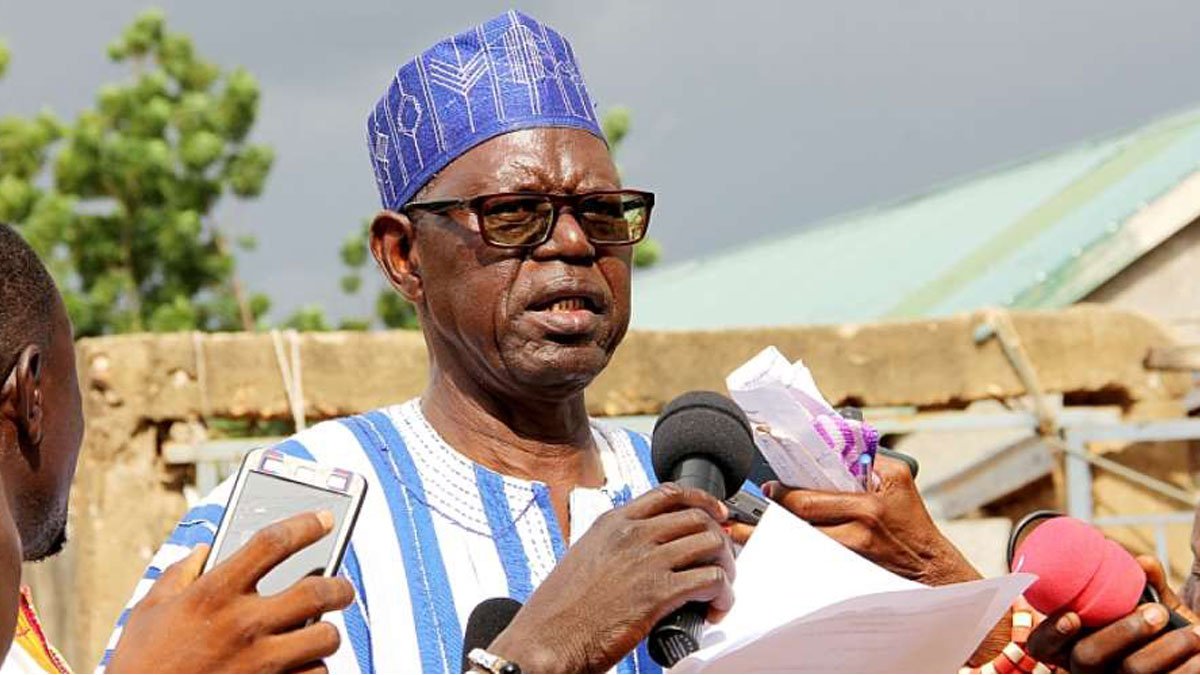
PNDC Northern Ghana figures played critical roles in the eleven‑year revolutionary government that followed the overthrow of President Hilla Limann. The Provisional National Defense Council (PNDC), led by Flight Lieutenant Jerry John Rawlings, seized power on 31 December 1981 and ruled until the inauguration of the Fourth Republic on 7 January 1993. Throughout this decade of radical change, northerners served as PNDC secretaries, regional administrators, and advisers. Rawlings’ commanding presence has often overshadowed their stories, but they were essential to the regime’s functioning.
This is Part Eight of The Savanna Online’s exclusive series on the political architects of Northern Ghana.
Part One introduced the founders of the Northern People’s Party (1954). We then followed up with Part Two, which covered Ghana’s First Republic from (1960–1966). Part Three examined the National Liberation Council (1966–1969). Then, Part Four looked at the Second Republic (1969–1972). In Part Five, we analyzed the NRC and SMC years (1972–1979). Part Six focused on the AFRC interlude (1979). Part Seven examined Ghana’s Third Republic (1979–1981), during which Hilla Limann served as president. Now, Part Eight turns to the PNDC era (1981–1993)—a period of revolution, economic upheaval, and eventual transition to democracy. Northerners held key positions from the very beginning.
Table of contents
- The 31 December Revolution and the Birth of the PNDC
- The PNDC: Structure and Composition
- Alhaji Iddrisu Mahama: The Longest‑Serving Defense Minister
- John Ndebugre: From Regional Secretary to Detained Dissident
- Ibrahim Adam: Secretary for Agriculture and Then Minister
- Regional Secretaries and Local Administration
- Key Policies and Their Impact on the North
- The Shift to Democratic Transition (1988‑1992)
- Legacy of the PNDC Era for Northern Ghana
- The Fourth Republic and the NDC Era

The 31 December Revolution and the Birth of the PNDC
Rawlings had handed power to Limann in September 1979, believing that civilian rule would address the grievances of ordinary Ghanaians. By late 1981, he was disillusioned. The Limann government, Rawlings argued, had failed to tackle corruption, revive the economy, or defend the interests of the poor.
On 31 December 1981, Rawlings led a second coup. He announced the overthrow of the Limann government and the establishment of the Provisional National Defense Council (PNDC). The PNDC would be a revolutionary military government, dominated by junior officers and radical civilians. Rawlings became Chairman.
The PNDC immediately suspended the 1979 Constitution, banned political parties, and dissolved Parliament. It was ruled by decree. The regime promised a “house‑cleaning” far more extensive than the AFRC’s three‑month action. It established People’s Defense Committees (PDCs) and Workers’ Defense Committees (WDCs) to mobilize the masses and root out “economic sabotage”.
For PNDC Northern Ghana figures, the new era brought both opportunities and dangers. Some were appointed to the PNDC itself. Others became regional secretaries or state secretaries. The regime’s security apparatus targeted a few.
The PNDC: Structure and Composition
The PNDC was a hybrid military‑civilian council. Its original seven members included:
Flight Lieutenant Jerry John Rawlings – Chairman and Head of State
Brigadier Joseph Nunoo‑Mensah – Retired Chief of Defense Staff
Reverend Dr. Vincent Kwabena Damuah – Catholic priest turned revolutionary
Warrant Officer I Joseph Adjei Buadi – Soldier and one of the original PNDC members
Joachim Amartey Quaye – Civilian member
Rawlings appointed a Committee of Secretaries (cabinet) comprising nineteen secretaries (ministers) who met weekly under the chairmanship of a PNDC member.
The PNDC ruled by decree, with no parliament, political parties, or constitution. All officials served at Rawlings’ pleasure.
PNDC Northern Ghana appointees played crucial roles in implementing the regime’s policies in the north.
Alhaji Iddrisu Mahama: The Longest‑Serving Defense Minister
Alhaji Mahama Iddrisu was the most prominent PNDC figure from Northern Ghana on the council. Born in 1945, he was a businessman and lawyer who became a founding member of the PNDC. He served on the council from 1981 and was appointed Secretary for Transport and Communications in 1983, holding that portfolio until 1987.
In 1985, Rawlings appointed him Secretary for Defense (the equivalent of a Defense Minister). He held this portfolio for 14 years – from 1985 to 1999 – making him the longest-serving Defense Minister in Ghana’s history. His presence ensured that northern perspectives were represented in the highest councils of the revolutionary government.
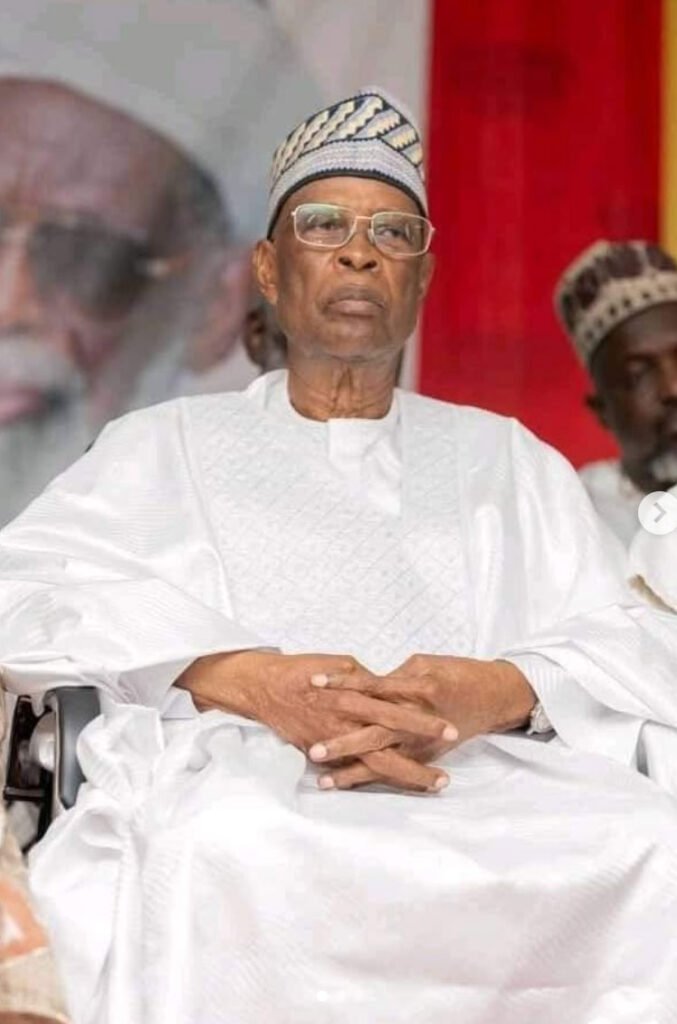
After the ban on political parties was lifted in 1992, Iddrisu became a founding member of the National Democratic Congress (NDC), the political party that succeeded the PNDC. He continues to serve as Chairman of the NDC’s Council of Elders.
Iddrisu holds a Barrister‑at‑Law (BL) from the Ghana School of Law, an MBA from GIMPA, and dual Master’s degrees from Syracuse University, USA.
John Ndebugre: From Regional Secretary to Detained Dissident
John Akparibo Ndebugre (1953–2022) was a lawyer and politician from the Upper East Region whose career exemplified the turbulent relationship between northerners and the Rawlings regime.
In 1982, Ndebugre was appointed Secretary for the Northern Region – the PNDC’s appointed administrator for the north. Later that same year, he was appointed Upper Regional Secretary. He served in this capacity until 1984, when Rawlings appointed him Secretary for Agriculture (Minister of Agriculture).
Ndebugre resigned from the government in October 1985. He joined the Kwame Nkrumah Revolutionary Guard (KNRG), a political organization critical of the Rawlings regime, and became its National Organizer.
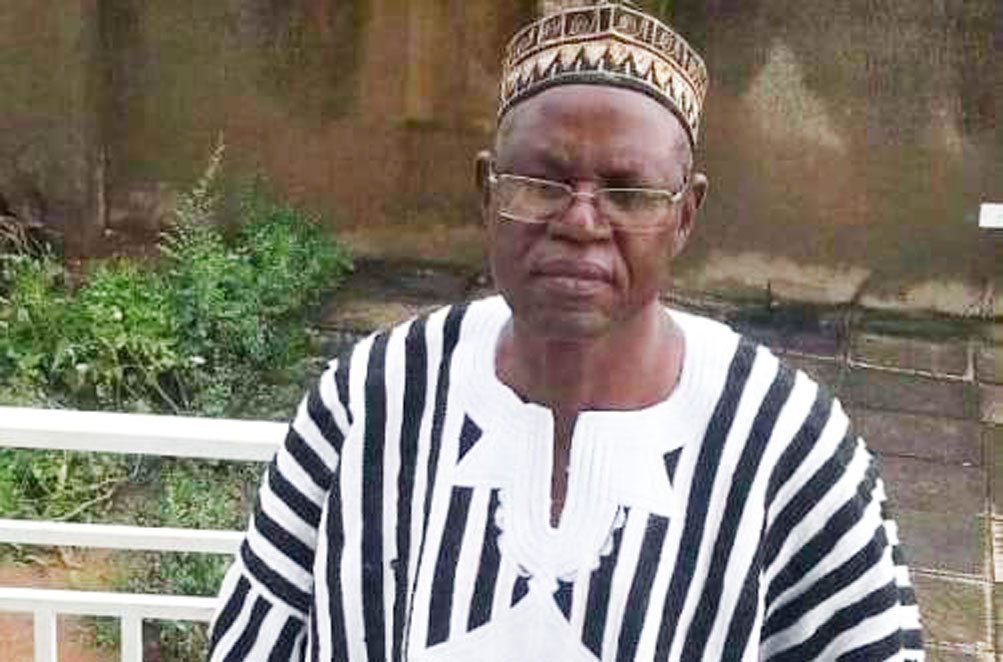
In 1987, Ndebugre was detained without charge or trial for eight months for criticizing PNDC policies. He was released in April 1988.
The most dramatic incident in Ndebugre’s political career occurred on 10 December 1991. At a traditional rally attended by Rawlings in Bawku, Ndebugre allegedly failed to stand promptly when the national anthem was played. Members of Rawlings’ bodyguard arrested him, beat him, had his head shaved, and forced him to stand for the anthem. He was held in a Bawku cellar for nine days before being released on 18 December.
Amnesty International declared Ndebugre a prisoner of conscience and called for his immediate and unconditional release.
Ndebugre passed away on 9 June 2022. His career – from PNDC secretary to detained dissident – illustrates the complex and often dangerous path that PNDC figures in Northern Ghana could face.
Ibrahim Adam: Secretary for Agriculture and Then Minister
Ibrahim Adam (sometimes spelled Ibrahim Adam) was another northern figure who served in the PNDC government. He was appointed Secretary for Agriculture under the PNDC in 1992, serving until the council dissolved on 6 January 1993. After the transition to the Fourth Republic, he continued as Minister for Agriculture from 1993 to 1996.
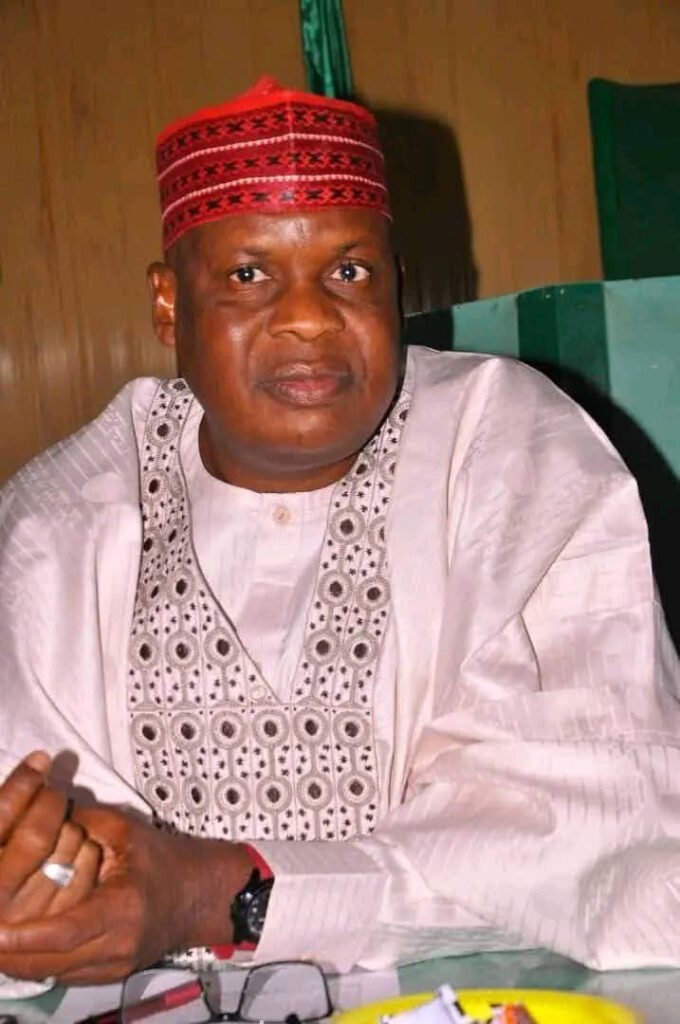
Born in the Northern Region, Adam was an animal scientist by training. After his ministerial term, he served as a member of Parliament for the Choggo/Tishigu constituency in the Northern Region from January 1997 to January 2001.
Adam’s career demonstrates how PNDC Northern Ghana appointees transitioned into democratic politics after the ban on party activity was lifted.
Regional Secretaries and Local Administration
The PNDC divided Ghana into ten regions, each headed by a Regional Secretary appointed by Rawlings. These secretaries were responsible for maintaining security, implementing development projects, and coordinating with the PDCs and WDCs.
The Northern Regional Secretary position was held by John Ndebugre (1982). The Upper Regional Secretary position was also held by Ndebugre (1982–1984). Records for other regional secretaries from the PNDC era are incomplete; not all names have been preserved in available sources.
These regional secretaries answered directly to Rawlings. They had no legislative oversight and were subject to the revolutionary council’s directives.
Key Policies and Their Impact on the North
The PNDC pursued radical policies that affected northern communities.
The “House‑cleaning” Campaigns (1982–1984)
The regime arrested and detained former officials, businesspeople, and anyone accused of “economic sabotage”. Public tribunals were established. Some sentences were severe, including confiscation of property and public whippings. In the north, these campaigns disrupted trade and created an atmosphere of fear.
Operation Feed Yourself and Agricultural Policies
The PNDC continued the “Operation Feed Yourself” program from the Acheampong era. In the north, these initiatives encouraged the cultivation of rice, maize, and groundnuts. However, the regime’s price controls and state monopolies on grain marketing often frustrated farmers.
The Economic Recovery Program (ERP) 1983‑1986
Facing economic collapse, the PNDC adopted the Economic Recovery Program in 1983, which was backed by the IMF and the World Bank. The ERP devalued the cedi, removed subsidies, and privatized state enterprises. For the north, these policies meant higher import prices and reduced state support for agriculture. Yet the ERP also stabilized the economy and laid the foundation for future growth.
The Shift to Democratic Transition (1988‑1992)
By the late 1980s, Rawlings faced growing pressure to restore civilian rule. He formed the National Commission for Democracy (NCD) to oversee a transition. The NCD organized district elections in 1988‑1989. A new constitution was drafted and approved by referendum in 1992. Political parties were legalized, and presidential and parliamentary elections were scheduled for November and December 1992, respectively.
Rawlings won the presidential election on 3 November 1992, and the PNDC handed over power to the Fourth Republic on 7 January 1993. The PNDC became the National Democratic Congress (NDC), a political party that would dominate Ghanaian politics for decades.
Throughout this transition, PNDC Northern Ghana figures adapted to the new democratic framework. Alhaji Iddrisu Mahama, John Ndebugre, and Ibrahim Adam would later stand for election or retire from public life.
Legacy of the PNDC Era for Northern Ghana
The PNDC years left a mixed legacy for Northern Ghana.
Positive aspects:
- Northerners had served at the highest levels of the revolutionary government – as PNDC members, secretaries of state, and regional secretaries.
- The regime’s agricultural campaigns, though imperfect, increased food production in some northern areas.
- The eventual transition to the Fourth Republic allowed northerners to participate fully in the new democracy.
Negative aspects:
- The authoritarian nature of the PNDC, including detention without trial, public tribunals, and summary executions – affected northerners as well as southerners.
- The “house‑cleaning” campaigns disrupted northern trade and caused hardship.
- The economic recovery program’s austerity measures fell heavily on poor northern communities.
- Northern politicians associated with the Limann government were sidelined or detained.
Nevertheless, PNDC Northern Ghana figures showed that northerners could hold power even in the most revolutionary of regimes. Their service set the stage for the Fourth Republic, where northerners would once again become vice presidents, speakers of Parliament, and – eventually – presidents.
The Fourth Republic and the NDC Era
The Fourth Republic was inaugurated on 7 January 1993, with Jerry Rawlings as the first elected president of the new constitutional order. The NDC, the successor to the PNDC, became the ruling party. Northerners would play prominent roles in the NDC governments of Rawlings (1993‑2001) and in the subsequent NPP governments.
In Part Nine of our series, we will explore the Fourth Republic (1993‑2001). A Rawlings democratic era. During this period, John Dramani Mahama, Alban Bagbin, Alhaji Mahama Iddrisu as well as several others served as MPs and ministers.
Join us for Part Nine: The Fourth Republic (1993‑2001) – Northerners in Rawlings’ Democratic Government, where we will meet the northern politicians who helped build Ghana’s longest‑lasting democratic constitution.
Key Figures of the PNDC Era
| Name | Position(s) | Period | Notes |
|---|---|---|---|
| Alhaji Mahama Iddrisu | PNDC Member; Secretary for Transport & Communications; Secretary for Defence | 1981–1999 | Longest-serving Defence Minister of Ghana (14 years); founding member of NDC |
| John Akparibo Ndebugre | Northern Regional Secretary; Upper Regional Secretary; Secretary for Agriculture | 1982–1985 | Resigned 1985; detained 1987 (8 months); arrested 1991 for anthem “incident”; died 2022 |
| Ibrahim Adam | Secretary for Agriculture (PNDC); Minister for Agriculture (Fourth Republic) | 1992–1996 | Later MP for Choggo/Tishigu (1997–2001); animal scientist by training |
| Other regional secretaries | Northern & Upper Regional secretaries | 1980s | Records incomplete; not all names preserved |