Culture & Heritage
AFRC Northern Ghana – Rawlings’ First Coup (1979)

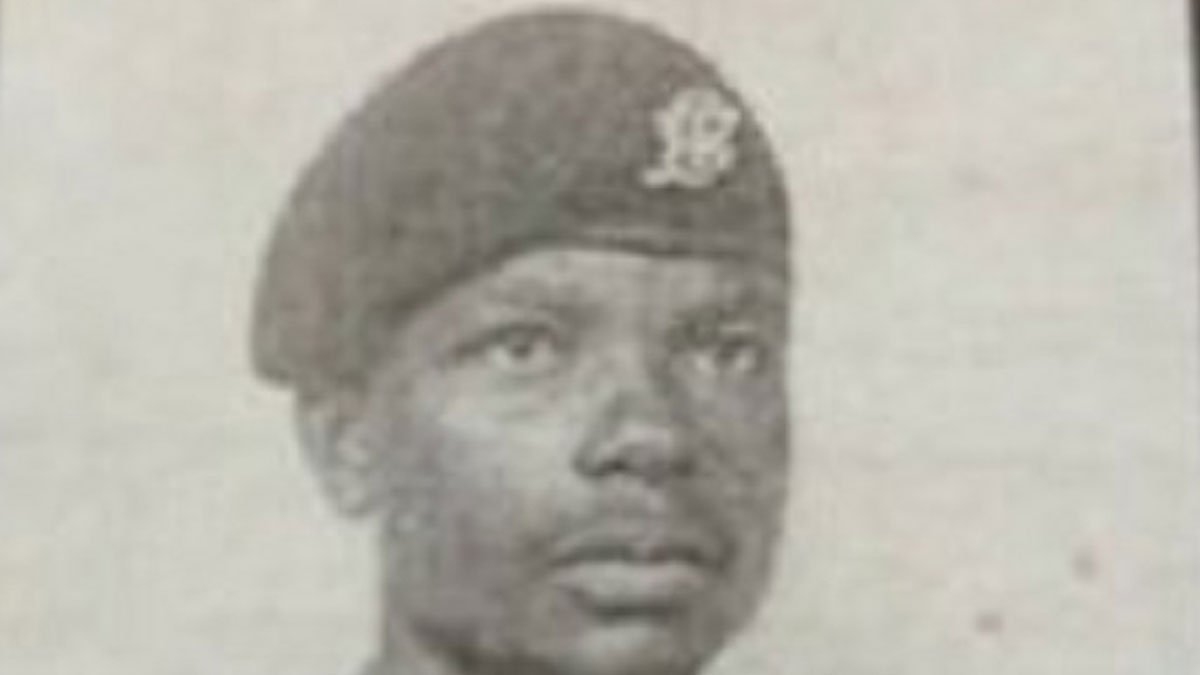
AFRC Northern Ghana figures played a decisive role in the dramatic events of 1979, when Flight Lieutenant Jerry John Rawlings seized power and conducted a revolutionary “house‑cleaning” that forever altered Ghana’s political landscape. Welcome to The Savanna Online’s exclusive series on the political architects of Northern Ghana.
In Part One, we met the pioneers who formed the Northern People’s Party in 1954—Tolon Naa Yakubu Tali, Simon Diedong Dombo, Mumuni Bawumia, and others.
Part Two followed them into the First Republic (1960‑1966), where northerners like Ebenezer Adam and Emmanuel Adama Mahama served as MPs and ministers. Three examined the National Liberation Council (1966‑1969), when Bawa Andani Yakubu was the sole northern voice on the junta. Four covered the Second Republic (1969‑1972), where northerners achieved full parliamentary representation under Prime Minister Busia. Five analyzed the NRC and SMC years (1972‑1979), highlighting NRC Northern Ghana politicians like Colonel George Minyila.
Now, Part Six focuses on the Armed Forces Revolutionary Council (AFRC) interlude of 1979. For just over three months—from June 4 to September 24, 1979—this military junta executed three former heads of state, conducted revolutionary trials, and tried to cleanse Ghanaian society of corruption. Within this turbulent context, AFRC Northern Ghana representation was present at every level: on the council itself, in the regional administration, and as a civilian commissioner.
Table of contents
- AFRC Northern Ghana on the Revolutionary Council
- Civilian Commissioners and AFRC Northern Ghana
- No Parliament – Governance by Decree
- The House‑Cleaning: Executions and Revolutionary Justice
- Economic Policies and Their Northern Impact
- Transition to Civilian Rule and AFRC Northern Ghana’s Legacy
- Looking Ahead: The Third Republic
- Key Figures of the AFRC Northern Ghana Era
AFRC Northern Ghana on the Revolutionary Council
The AFRC was unlike any previous military government. Composed of 15 personnel ranging from private to flight lieutenant, it deliberately broke with senior‑officer‑dominated councils. Rawlings served as Chairman, with Captain Kojo Boakye‑Djan as Spokesman.
Crucially, AFRC Northern Ghana had a direct voice on this council. Two northerners stand out:
Sergeant Peter Tasiri Azongo (then a lance corporal) was a key member of the AFRC. Contemporary accounts, including disclosures by Kwesi Pratt, credit Tasiri as the sole organizer of the June 4 revolt—a fact he said has been systematically erased from the official narrative. He was placed in charge of discipline and later testified before the National Reconciliation Commission in 2003. Sergeant Tasiri passed away on February 15, 2026.
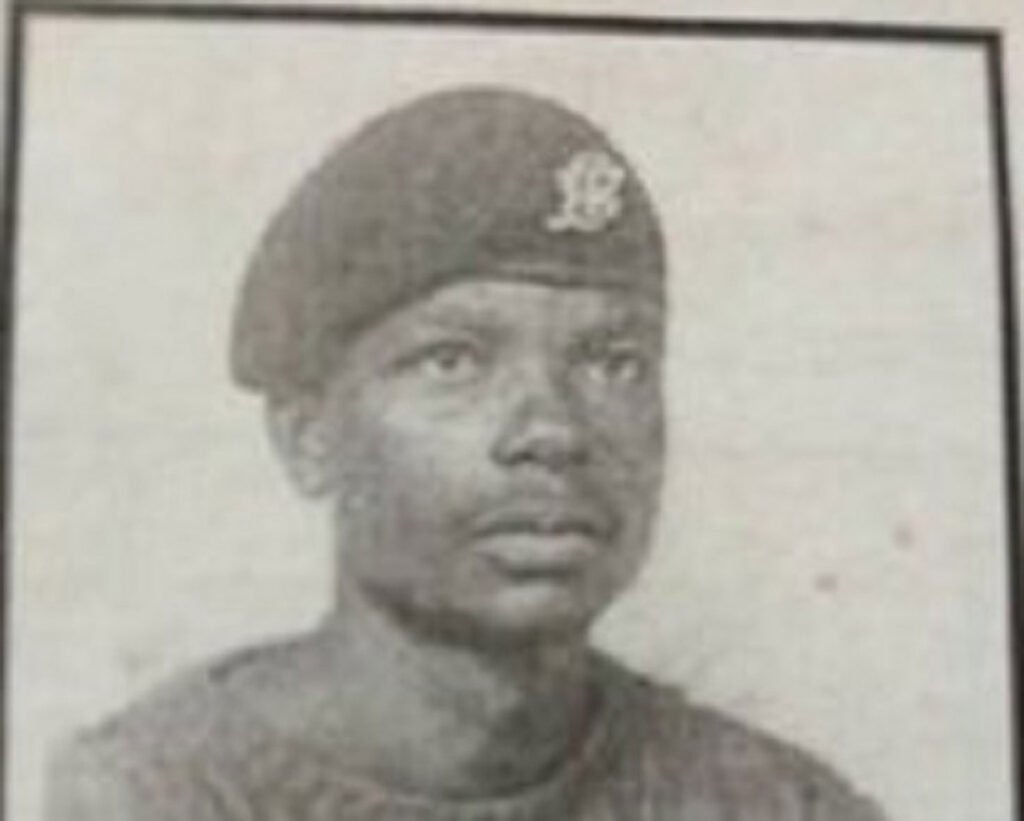
Corporal Mamudu Kalifa died during the fighting on June 4 1979. Though he did not live to serve on the council, his sacrifice remains an integral part of AFRC Northern Ghana’s participation in the revolution. He was buried with full military honors at the Osu Military Cemetery.
Thus, AFRC Northern Ghana was not a peripheral footnote; it was embedded in the very structure of the revolutionary government.
Civilian Commissioners and AFRC Northern Ghana
Beyond the military council, the AFRC appointed civilian Commissioners of State to oversee ministries. Announced on June 12 1979, these commissioners served until the handover to civilian rule.
Abayifa Karbo was appointed Commissioner for Agriculture. A founding member of the Northern People’s Party in 1954 (introduced in Part One), Karbo returned to national service after years in the political wilderness. His appointment gave AFRC Northern Ghana a seasoned voice in economic policy during the revolution.
The AFRC also appointed Regional Commissioners. Lieutenant Colonel L. K. Kodjiku became Northern Regional Commissioner, responsible for implementing the junta’s “house‑cleaning” directives in the north. Major M. Gyabaah oversaw the Upper Region. Both men served as the military‑appointed administrators in their regions, ensuring that **AFRC Northern Ghana had boots on the ground.
No Parliament – Governance by Decree
Like the NRC and SMC years before it, the AFRC dissolved Parliament immediately upon seizing power. Political parties were banned, the constitution was suspended, and the council ruled exclusively by decree. Elections were held on June 18, 1979—just two weeks after the coup—under the supervision of the AFRC. However, the newly elected civilian Parliament did not sit until after the AFRC handed over power on September 24, 1979.
Consequently, AFRC Northern Ghana figures held appointed positions, not elected seats. Sergeant Peter Tasiri served as a military member of the council; Abayifa Karbo served as an appointed commissioner; Kodjiku and Gyabaah served as appointed regional administrators. This pattern—northerners serving in appointed military government roles without parliamentary representation—continued from the NRC/SMC years through the AFRC interlude.
The House‑Cleaning: Executions and Revolutionary Justice
The AFRC’s most dramatic actions occurred in its first weeks. On June 16 1979, former Head of State General Ignatius Kutu Acheampong and Major General E. K. Utuka were executed at Teshie military range. Ten days later, on June 26, the death sentence was carried out on General F. W. K. Akuffo, Lieutenant General A. A. Afrifa, Major‑General R. E. A. Kotei, Air Vice‑Marshal George Yaw Boakye, Rear Admiral J. K. Amedume, and Colonel R. J. A. Felli.
These executions were unprecedented. The international community reacted with shock, but many ordinary Ghanaians supported the actions. The AFRC’s “house‑cleaning” soon extended beyond the military: women selling goods above control prices were publicly whipped; Lebanese, Syrian, and Indian businessmen were brutalized; and assets were confiscated.
For AFRC Northern Ghana, these events were marked by danger and uncertainty. Yet northern figures like Sergeant Tasiri and Commissioner Karbo navigated the turbulence from within the revolutionary structure.
Economic Policies and Their Northern Impact
The AFRC ordered landlords to reduce rents by 50 % and required government approval before evictions. The producer price of cocoa was raised from C80.00 to C120.00 per load. However, price controls led to unintended consequences: farmers refused to bring food to urban centers for fear of seizure, and prices of essential commodities soared.
The destruction of Makola Number 1 market in Accra on August 18, 1979—an act attributed to Sergeant Tasiri’s discipline‑enforcement role—disrupted supply chains, affecting northern communities that relied on trade with the capital. Despite the turmoil, the AFRC recovered millions of cedis in tax arrears and dissolved the Cocoa Marketing Board.
Transition to Civilian Rule and AFRC Northern Ghana’s Legacy
Despite its revolutionary rhetoric, the AFRC kept its promise to return the country to civilian rule. Elections on June 18, 1979, brought the People’s National Party (PNP), led by Dr. Hilla Limann—a northerner from Gwollu in the Upper West Region—to power. On September 24, 1979, the AFRC handed over.
In his farewell address, Rawlings told President‑elect Limann:
“Never lose sight of the new consciousness of the Ghanaian people. Never before have the eyes of so many been focused on so few, Mr. President. The few are you … The many are those in the factories and on the farms, in the dormitories and junior quarters who will be watching you, with eagles’ eyes.”
The legacy of AFRC Northern Ghana is twofold. First, northerners had participated in the revolution at every level—on the council (Tasiri), in the civilian administration (Karbo), and as regional administrators (Kodjiku, Gyabaah). Second, the AFRC’s greatest gift to the north was the transition itself: it made possible the election of Dr. Hilla Limann, the first northerner to serve as President of Ghana.
Looking Ahead: The Third Republic
Part Seven of our series will explore the Third Republic (1979‑1981) —President Hilla Limann’s historic presidency, the northern parliamentarians who served alongside him, and the challenges that led to the second Rawlings coup on December 31, 1981.
Join us for Part Seven: The Third Republic – President Hilla Limann and the Northern Parliamentarians, where we will witness the highest achievement of northern political representation before another military intervention reshaped Ghana’s political destiny.
Key Figures of the AFRC Northern Ghana Era
| Name | Role | Period | Notes | |
| Sergeant Peter Tasiri Azongo | Member, Armed Forces Revolutionary Council | June ‑ Sept 1979 | Sole organiser of the June 4 revolt; later testified before National Reconciliation Commission (2003); died 15 Feb 2026. | |
| Corporal Mamudu Kalifa | Soldier (died in uprising) | 4 June 1979 | Died fighting to overthrow the SMC; buried at Osu Military Cemetery. | |
| Abayifa Karbo | Commissioner for Agriculture | June ‑ Sept 1979 | Founding member, Northern People’s Party (1954); appointed civilian commissioner. | |
| Lt. Col. L. K. Kodjiku | Northern Regional Commissioner | June ‑ Sept 1979 | Implemented AFRC directives in Northern Region. | |
| Major M. Gyabaah | Upper Regional Commissioner | June ‑ Sept 1979 | Administered Upper Region during the house‑cleaning. |
Note: Because the AFRC dissolved Parliament and banned political parties, none of these figures served as elected Members of Parliament. They held appointed positions in a military government that ruled by decree.