Culture & Heritage
Cardinal Peter Dery: Life, Legacy and Road to Sainthood of the North’s First Cardinal
Cardinal Peter Dery (1918–2008): first Bishop of Wa, first Archbishop of Tamale, now on the GH¢2 note. His life, legacy and road to sainthood.

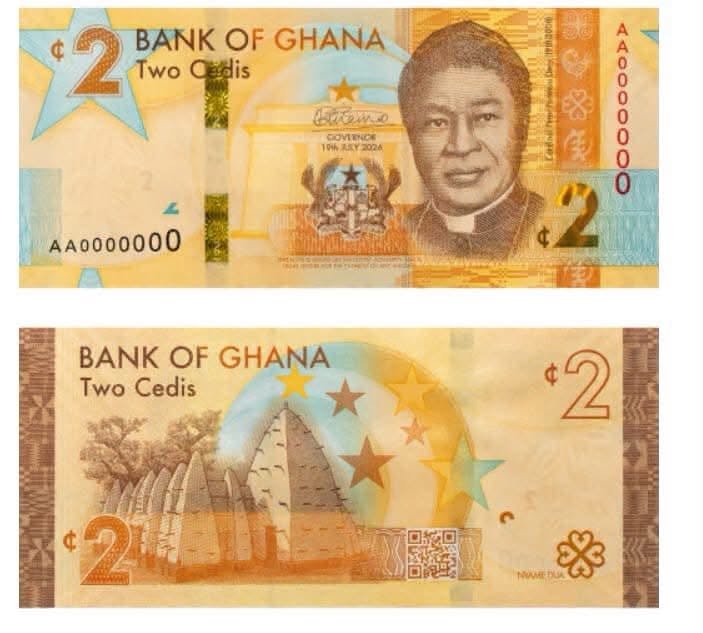
Cardinal Peter Poreku Dery (1918–2008) was the first Catholic priest from the Upper West Region of Ghana, the first Bishop of Wa, the first Archbishop of Tamale and, from 2006, a cardinal of the Catholic Church. Born into a traditional Dagaaba family near Nandom, he became one of the most influential churchmen in Ghana’s history, known for bringing local language and music into Catholic worship and for championing education, especially for girls.
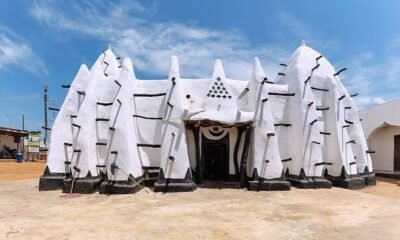
In November 2026 his portrait was chosen for the front of the new GH¢2 note in the Bank of Ghana’s Heritage Series, with the Larabanga Mosque on the back. Read our report on the new Heritage notes. The Catholic Church has opened a cause for his beatification, and he holds the title “Servant of God”.
Cardinal Dery at a glance
- Full name: Peter Poreku (also spelled Porekuu) Dery
- Born: 10 May 1918, Zimuopare (also spelled Zemuopare), Ko, near Nandom, Upper West Region
- Ordained priest: 11 February 1951, Nandom
- First Bishop of Wa: appointed 16 March 1960
- First Archbishop of Tamale: 30 May 1977 to 26 March 1994
- Created cardinal: 24 March 2006 by Pope Benedict XVI, aged 87
- Died: 6 March 2008, Tamale, aged 89
- Status: Servant of God; beatification cause opened in 2013
Early life near Nandom
Peter Dery was born on 10 May 1918 at Zimuopare, a village in the Ko area near Nandom in what is now the Upper West Region. His parents, Theodore Porekuu and Agnes Zoore, followed the traditional religion of the Dagaaba people, and he grew up in a household where traditional priesthood was part of family life.
Catholic missionaries, the White Fathers (Missionaries of Africa), had established a mission at Jirapa. Young Dery was among the first converts there and was baptised at Jirapa on Christmas Eve, 24 December 1932, taking the name Peter. He was first trained as a catechist to teach the faith in his own village.
Education and the road to priesthood
Dery attended the minor seminary at Navrongo from 1934 to 1939 and went on to study philosophy and theology at St Victor’s Major Seminary, which the missionaries had opened at Wiaga in the present-day Upper East Region in 1946. The seminary later moved to Malshegu, near Tamale, where it still trains priests for the North today. He was ordained a priest on 11 February 1951 at St Theresa’s Church, Nandom, becoming the first indigenous priest from the Upper West.
His early ministry took him to Nandom as a parish assistant and to Tamale, where he worked as assistant director of Catholic schools, parish priest, vicar general and administrator of the cathedral. He later studied abroad, earning a diploma in social studies at St Francis Xavier University in Antigonish, Canada, and studying catechetics at the Lumen Vitae institute in Brussels.
First Bishop of Wa (1960)
When the Diocese of Wa was created on 3 November 1959, covering the north-west of Ghana, Dery was chosen to lead it. He was appointed its first bishop on 16 March 1960 and received episcopal ordination on 8 May 1960.
In Wa he became known as a pioneer of what the Church calls inculturation. According to his official Vatican biography, he was the first to introduce it into the liturgy of his diocese. Sources including the Catholic Standard say he had the Mass translated into Dagaare and sung to local melodies with local instruments. He also attended the Second Vatican Council (1962–1965), the meeting that opened the way for Mass in local languages worldwide.
He invested heavily in education, founding numerous schools and a minor seminary to train local priests. He is especially remembered for urging families to keep girls in school, at a time when few girls in the region completed their education.
Archbishop of Tamale (1974–1994)
In 1972 Bishop Dery was asked to take charge of the Diocese of Tamale as apostolic administrator, running both Wa and Tamale for two years. He was appointed Bishop of Tamale on 18 November 1974 and, when Tamale was raised to an archdiocese on 30 May 1977, he became its first Archbishop.
For two decades in Tamale he led the Church across a vast and largely Muslim region. That long ministry is part of the story the Bank of Ghana tells by pairing him with the historic Larabanga Mosque on a note themed on religious freedom.
Nationally, he served as President of the Ghana Catholic Bishops’ Conference in the 1980s, was a member of the Vatican’s Pontifical Council for the Laity, and coordinated the Pan-African Council of the Laity. He retired as Archbishop of Tamale on 26 March 1994 but remained active in retirement.
Cardinal at 87
On 24 March 2006, Pope Benedict XVI created Archbishop Dery a cardinal, assigning him the deaconry of Sant’Elena fuori Porta Prenestina in Rome. Aged 87, he was the oldest of the new cardinals and, being over 80, was not eligible to vote in a papal election. The honour was widely seen in Ghana as recognition of a lifetime of service to the Church in the North.
Death and funeral
Cardinal Dery died in Tamale on 6 March 2008, Ghana’s Independence Day, at the age of 89. His funeral in Tamale on 1 April 2008 drew thousands of mourners, including President John Kufuor and Vice-President Aliu Mahama, according to reports at the time. Cardinal Peter Turkson led the funeral rites and Archbishop Peter Sarpong preached. He was buried at the Catholic cathedral in Tamale.
The road to sainthood
In June 2013, at a memorial Mass in Tamale, the Archdiocese of Tamale announced it would seek his beatification. The Vatican granted its nihil obstat on 13 July 2013, giving him the title “Servant of God”. The diocesan phase of the cause was formally opened in Tamale on 9 May 2015, and dozens of witnesses have since been interviewed in Tamale, Wa, Damongo, Yendi and Navrongo-Bolgatanga.
In March 2026 the Ghana Catholic Bishops’ Conference directed priests to celebrate a Mass every year on 7 March for the progress of his cause, Vatican News reported. The next steps would be a declaration that he lived a life of heroic virtue (“Venerable”) and, after an approved miracle, beatification (“Blessed”).
His former residence in Tamale is now the Cardinal Dery Centre, which houses his library and personal items, and the Cardinal Dery Foundation continues his work in education.
Cardinal Dery on the GH¢2 note
The Bank of Ghana unveiled the Heritage Series on 12 November 2026. The orange-and-gold GH¢2 carries Cardinal Dery on the front and the Larabanga Mosque in the Savannah Region on the back, with the theme “Religious Freedom” and the Adinkra symbol Nyame Dua. The notes enter circulation from 1 December 2026. See all eight Heritage notes and who is on them.
Frequently asked questions
Who was Cardinal Peter Dery?
He was a Ghanaian Catholic churchman (1918–2008), the first priest from the Upper West, the first Bishop of Wa, the first Archbishop of Tamale and a cardinal from 2006.
Where was Cardinal Dery born?
At Zimuopare (also spelled Zemuopare), in the Ko area near Nandom in the Upper West Region, on 10 May 1918.
When did Cardinal Dery die?
On 6 March 2008 in Tamale, aged 89.
Is Cardinal Dery a saint?
Not yet. He is a “Servant of God”, the first step on the road to sainthood. His cause was opened in 2013 and its diocesan phase began in Tamale in 2015.
Why is Cardinal Dery on the GH¢2 note?
The Bank of Ghana chose him for the GH¢2 Heritage note, themed on religious freedom, pairing him with the Larabanga Mosque in the North, where he served for most of his ministry.
Sources
- Vatican Press Office — Biography of Cardinal Peter Poreku Dery
- Vatican News — Ghana Catholic Bishops institute annual Mass towards the beatification of Cardinal Dery (March 2026)
- Catholic Standard — Cardinal Dery and Cardinal Dery’s beatification
- MyJoyOnline / GNA — Cardinal Dery laid to rest (2008) and Process begins to make Cardinal Dery a saint (2015)
- 3News — Who and what is on each new cedi note