News & Current Affairs
Broken Ambulances Leave Bolgatanga East Patients Relying on Private Transport, RISE-Ghana Brief Finds
A RISE-Ghana policy brief says Bolgatanga East patients rely on private transport for referrals because ambulances and tricycles are not working.

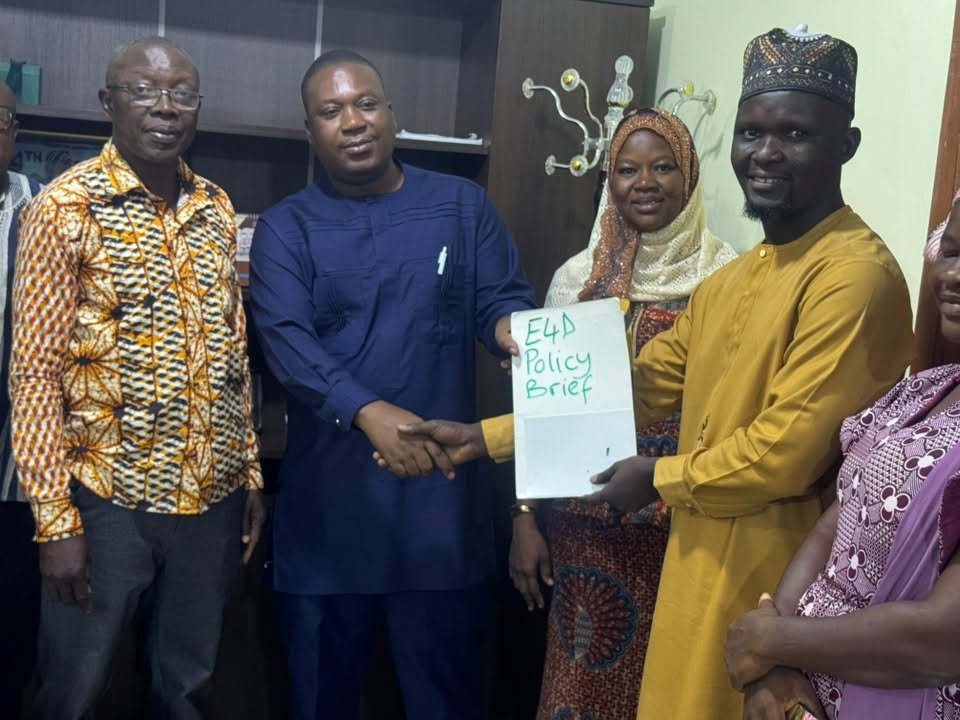
Patients in the Bolgatanga East District who need emergency transfers to bigger hospitals are mostly finding their own way there, because the ambulances and motor tricycles meant to carry them are not working, according to a policy brief presented to the district assembly by the non-governmental organisation RISE-Ghana.
The Ghana News Agency reports that RISE-Ghana presented the brief to the Assembly’s Executive Committee in Zuarungu. It draws on an evaluation of the district’s health referral system and its local governance structures, carried out under the Evidence for Development (E4D) project, which RISE-Ghana runs with the Centre for Democratic Development (CDD-Ghana) with funding from the William and Flora Hewlett Foundation.
Referrals and unit committees
RISE-Ghana’s Executive Director, Awal Ahmed Kariama, said the assessment found that many residents depend on private transport to reach higher-level facilities. He called for stronger referral pathways and protocols so that patients needing emergency care can get an ambulance or other suitable transport. He added that some health facilities had developed their own effective referral practices that could be documented and copied in other districts.
The study also found that unit committees, the community-level bodies set up under the Local Governance Act, 2016 (Act 936) to mobilise residents, give feedback and support revenue collection, were often weak. Mr Kariama blamed a lack of resources, limited capacity and poor networks, and recommended training and equipping the committees.

Assembly response
The District Chief Executive, Jacob Abugre Aka-eri, welcomed the findings and said several recommendations matched plans the Assembly was already considering, including steps to make its area councils more functional. He said the Assembly would take up the health recommendations with the District Health Directorate.
The Presiding Member, Muhamadu Bukari, admitted that some Assembly Members do not report back to their communities on decisions taken, and said stronger local structures could help the Assembly raise more revenue to tackle problems such as poor roads and limited access to potable water. A youth leader, Lawrence Aduko, urged young people to take part in local decision-making.

Bolgatanga East, with its capital at Zuarungu, was carved out of the Bolgatanga Municipality. The district has recently seen new health projects, including a CHPS compound at Kantia and a planned maternity block at Zuarungu-Zono, but the brief suggests getting patients from those facilities to hospital remains a gap.
Source: Ghana News Agency — https://gna.org.gh/2026/11/rise-ghana-presents-policy-brief-to-bolgatanga-east-assembly/