Agriculture & Livelihoods
CSIR-SARI readies Ghana’s first improved sesame varieties for 2027

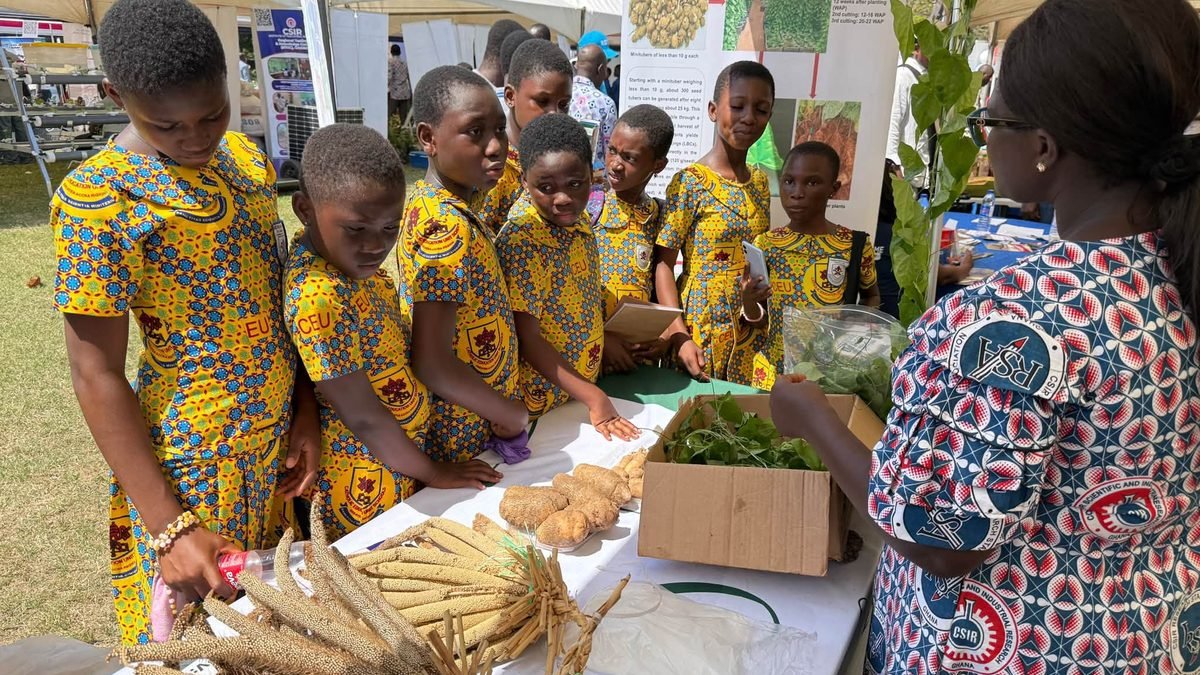
Sesame farmers in northern Ghana could get the country’s first improved sesame varieties as early as next year. The Savanna Agricultural Research Institute (CSIR-SARI) has announced three promising candidates.
According to the Ghana News Agency (GNA), researchers picked the lines from about 400 accessions. They have shown an average yield potential of about 1.2 tonnes per hectare. That is roughly double the 0.6 tonnes many farmers get from traditional seed.
Dr Emmanuel Yaw Owusu, a sesame breeder at the institute, presented the results at a stakeholders’ workshop. The workshop took place at Nyankpala, near Tamale, where CSIR-SARI has its headquarters.
He said the institute would submit the three genotypes in 2027 to the National Varietal Release and Registration Committee. That body decides whether new crop varieties can go to farmers.
Why improved sesame varieties matter for the North
Ghana currently has no released improved sesame variety. GNA reports that most smallholders plant grain bought in local markets. Some commercial growers source seed from neighbouring countries such as Burkina Faso.
Dr Owusu said production is growing in areas including Chereponi, Tumu, Garu, Tempane and Navrongo. Yet more than 90 per cent of Ghana’s sesame leaves the country unprocessed. He called for investment in local processing so farmers can earn more. He also urged better data collection by the Department of Agriculture.
Dr Zakaria Issahaku of Mayiya Investments said better seed must go together with consistent quality and reliable links to buyers and processors. Lovia Moor of the Widows and Orphans Movement said improved varieties could open more opportunities for women, who are heavily involved in the crop.
CSIR-SARI Director Dr Francis Kusi said he was confident the varieties would win approval next year.
CSIR-SARI ran the workshop under the Vision for Adapted Crops and Soils sesame project, a partnership with the International Maize and Wheat Improvement Center (CIMMYT). The project aims to breed sesame suited to local conditions and to the needs of exporters, food processors and oil producers.
Read also: EPA takes Styrofoam ban campaign to Northern Ghana
Source: Ghana News Agency — gna.org.gh