News & Current Affairs
Nabdam Farmers Build Community Seed Bank to Save Indigenous Crop Varieties
Gundoug in Nabdam is piloting a community seed bank to save indigenous maize, sorghum, cowpea and vegetable seeds suited to the Upper East.

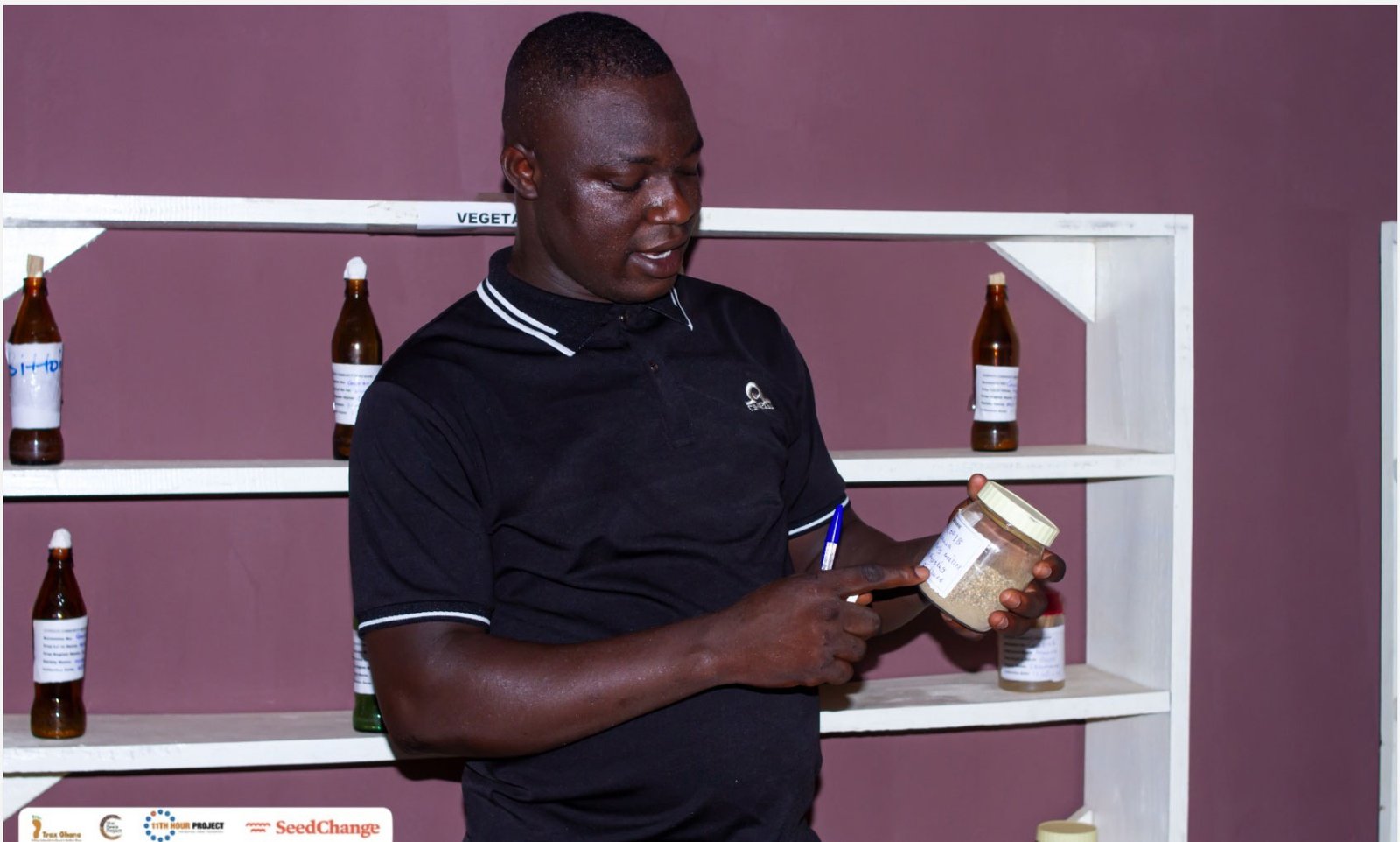
Farmers in the Nabdam District of the Upper East Region are setting up a community seed bank to conserve indigenous crop varieties that local officials say cope better with the area’s soils and changing weather, the Ghana News Agency (GNA) reports.
The Gundoug Community Seed Bank is being piloted under a project run by Trax Ghana and the Beela Project, and is expected to hold locally adapted maize, sorghum, cowpea and vegetable seeds by the end of the current farming season.
Farmers trained to produce and guard seed
The initiative, “Strengthening Local and Indigenous Food Systems in the Upper East and North East Regions of Ghana”, is funded by the 11th Hour Project. Under it, community members have been trained as seed producers, seed custodians and seed collection teams, so that farmers can produce, store and exchange their own planting material instead of depending on varieties brought in from elsewhere.
Progress was reviewed on Wednesday at a stakeholder meeting in Gundoug attended by Ministry of Food and Agriculture officials, extension agents, assembly members and the community seed teams.
Concern over imported varieties
The Upper East Regional Director of Agriculture, Alhaji Zakaria Fuseini, warned that some seed varieties sourced from outside the North do not suit local conditions, leaving farmers at risk of poor germination and weak harvests. He challenged the Gundoug seed producers to make their system a model that could be copied across the five northern regions.
Nabdam District Director of Agriculture Rasheed Imoro said indigenous seeds remained valuable because they are already adapted to local conditions, and that reviving the tradition of saving and sharing seed between seasons would help meet farmers’ needs.
Beela Project Director Abena Offeh-Gyimah raised concern that several indigenous varieties were declining and could disappear. She said the project works on seed fairs and security assessments, community seed banking, agroecology, and farmer-led advocacy on seed policy and farmers’ rights.
Trax Ghana Director Vincent Subbey said the partnership aims to improve farmers’ access to quality local seed while protecting biodiversity and community seed systems.
The Upper East has a single rainy season, so a failed planting can cost farming households a whole year’s harvest, making reliable, well-adapted seed especially important.
Source: Ghana News Agency — https://gna.org.gh/2026/11/trax-ghana-beela-project-empower-nabdam-farmers-to-preserve-indigenous-seeds/