News & Current Affairs
2.5 Million Trees Planted Under Northern Shea Restoration Project, but Many Seedlings Lost
About 2.5 million shea and indigenous trees have been planted across Northern Ghana, but only 54% of shea seedlings have survived.

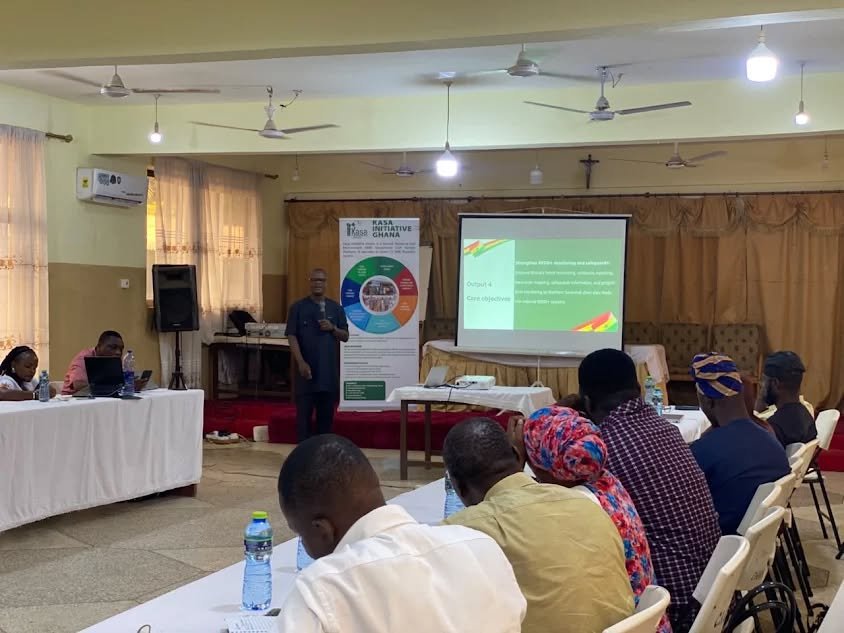
About 2.5 million shea and other indigenous trees have been planted across Northern Ghana under the Ghana Shea Landscape Emissions Reduction Project (GSLERP), but just over half of the shea seedlings have survived, according to the Ghana News Agency.
Cornelius Kuukaraa, the project’s Component Manager at the Global Shea Alliance, told a forum of Northern civil society organisations in Tamale that 54 per cent of the shea trees and 71 per cent of the other species planted are still alive.
Targets and progress
The project aims to transplant 3.5 million shea trees and 480,000 trees of other species. Mr Kuukaraa said the target for non-shea species had already been passed. Some 947,000 trees were planted this year, with more than half of the seedlings sent to the Upper West Region, which now has five active nurseries run with schools, NGOs and other partners.
GSLERP is a seven-year initiative covering the Northern, North East, Savannah, Upper East and Upper West Regions. It seeks to cut greenhouse gas emissions, protect biodiversity and improve livelihoods, particularly for the women who depend on shea. Partners include the Forestry Commission, the UN Development Programme, the Global Shea Alliance and local groups such as Shea Network Ghana.
Project Manager Emmanuel Baapeng said 10 Community Resource Management Areas had been set up in the Savannah, Upper West and North East regions along the western wildlife corridor. Under a scheme in which farmers grow food crops among young trees in degraded forest reserves, farmers keep all crop earnings, while timber benefits are shared: 40 per cent each to the Forestry Commission and farmers, 15 per cent to traditional authorities and five per cent to communities.
Why seedlings are dying
Mr Baapeng said some farmers abandon restoration sites after harvesting their crops because tree planting brings no quick returns. Labour for maintenance, fire prevention and monitoring is another challenge.
Hajia Fati Seidu Tambro of Sung Foundation, which plants shea, dawadawa and other species with five communities and five schools in the Sagnarigu Municipality, cited irregular rainfall and livestock that destroy seedlings and fences. She appealed for water containers so pupils can water seedlings during dry spells.
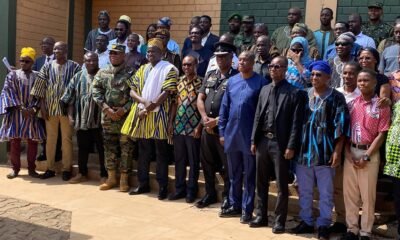
The forum was organised by KASA Initiative Ghana. Its coordinator, Jonathan Gokah, said participants wanted more emphasis on indigenous rather than exotic species, and better incentives to bring more farmers into the restoration work.
Source: Ghana News Agency — https://gna.org.gh/2026/11/about-2-5-million-trees-planted-under-ghana-shea-landscape-emissions-reduction-project/